




British households could face a BBC television licence fee of £191 next year as inflationary pressures linked to instability in the Middle East threaten to drive up costs.
Such an increase would make the UK the second most expensive country in Europe for public broadcasting charges, behind only Switzerland.
The Bank of England has warned that rising energy prices connected to conflict involving Israel, Iran and the United States could push inflation to 6.2 per cent in 2027, when the licence fee is next due to be adjusted.
The annual television licence fee already increased by £5.50 in April, taking the cost to £180 per household.
A further inflation-linked rise of around £11 would move Britain ahead of Germany, where households currently pay the equivalent of around £190 annually towards public broadcasting.
Switzerland remains Europe’s most expensive system, with households paying approximately £317 each year.
The BBC’s funding model is also facing growing pressure as increasing numbers of households stop paying the licence fee altogether.
According to the Commons Public Accounts Committee, around 3.6 million households have declared they no longer require a television licence, reducing BBC income by an estimated £617million.
An additional 300,000 households stopped paying the licence fee over the past year alone.

BBC licence fee could rise to £191 next year amid inflation concerns
|GETTY
The growing number of non-paying households has widened the gap between those who use BBC services and those who fund them.
While around 94 per cent of UK households continue to access BBC content in some form, only 80 per cent currently contribute through the licence fee system.
BBC insiders have reportedly acknowledged concerns that the shrinking number of paying households cannot continue to absorb annual inflation-linked increases indefinitely while others continue to access content without contributing financially.
Ministers are understood to be examining proposals which could require subscribers to streaming platforms such as Netflix and Amazon Prime Video to pay the licence fee.
LATEST DEVELOPMENTS
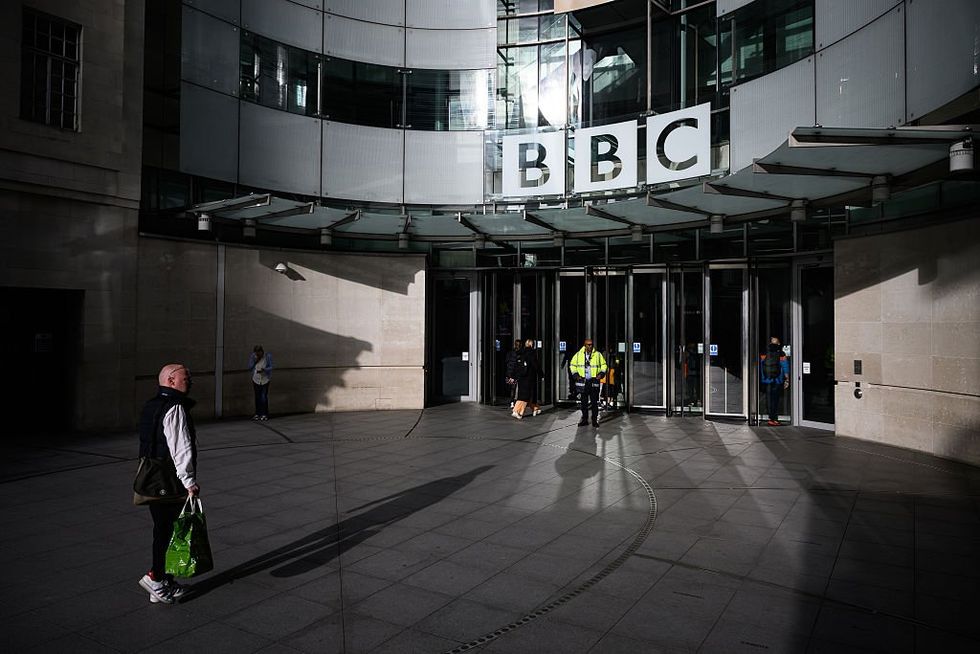
The proposals are expected to prove controversial among consumers already facing rising household bills
|GETTY
BBC director-general Matt Brittin has begun discussions with ministers over a new funding arrangement and updated charter governing how the corporation is financed and operated in future years.
Media analyst Alex DeGroote questioned whether the public would support a sharp increase in the licence fee during a period of continued financial pressure.
Mr DeGroote said: "There is no way that a 6.2 per cent level of fee increase would be supported by the UK public in these times."
He added: "The simple answer is more cost-cutting at BBC."
The BBC declined to comment directly on possible future licence fee levels but warned that inflationary pressures were also increasing the corporation’s own operating costs, including production and energy expenses.
Switzerland’s annual CHF 335 broadcasting charge remains the highest in Europe after voters rejected proposals in March to reduce the fee to levels closer to Germany’s system.
Supporters of retaining the higher fee argued cuts could damage foreign coverage, sports broadcasting and national cohesion across Switzerland’s different language communities.
Austria now ranks as Europe’s fourth most expensive public broadcasting system after replacing its previous €322 licence fee with a €160 universal household levy three years ago.
Italy and the Czech Republic currently operate some of Europe’s lowest-cost systems, with annual charges standing at around £87 and £85 respectively.
France abolished its €138 television licence fee entirely in 2022 and now funds public broadcasters through general VAT revenues.
A spokesperson for the Department for Culture, Media and Sport said the ongoing charter review was intended to create "a sustainable funding model that supports its vital work, but which is also fair to those who pay for it".
A BBC source also indicated the corporation remained "open to offering more concessions to support affordability".