










Britain's banks could soon be given greater freedom to lend as regulators prepare a major shake-up of rules introduced after the 2008 financial crisis.
The move is expected to unlock billions of pounds for households and businesses as Rachel Reeves pushes ahead with her plans to boost economic growth.
The Bank of England's Financial Policy Committee, chaired by Andrew Bailey, is preparing to unveil changes to leverage ratio requirements in early July.
The rules determine how much banks can lend overall and were introduced in the aftermath of the financial crash to strengthen the resilience of the banking sector.
Regulators have become increasingly concerned that the current framework places an excessive burden on banks focused on domestic lending and are looking to remove barriers that restrict the flow of credit to UK households and businesses.
The reforms form part of a wider summer deregulation drive and are expected to provide additional support for the housing market.
Following the leverage ratio announcement, Chancellor Rachel Reeves is set to outline further measures to boost growth when she addresses the Mansion House dinner on July 14.
The Bank is also preparing to seek feedback on plans to relax ring-fencing rules that separate high street banking operations from riskier investment banking activities.
As part of the review, regulators will propose scrapping Rule 9.1, which requires banks to maintain separate IT systems and legal services for their ring-fenced and non-ring-fenced businesses.
The requirements were originally introduced to ensure everyday banking services could continue operating if investment banking divisions ran into trouble.
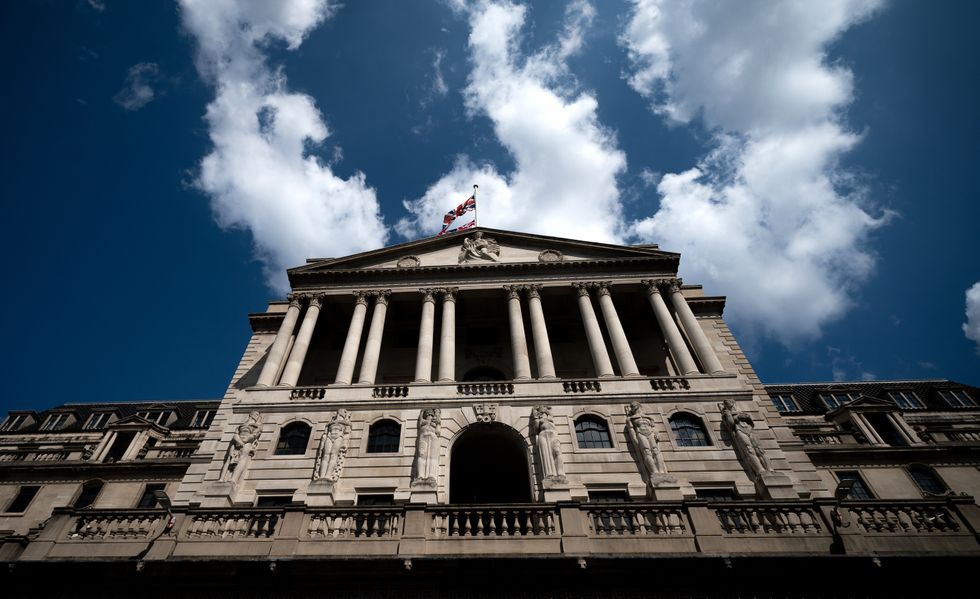
The Bank is also preparing to seek feedback on plans to relax ring-fencing rules
| PAHowever, the Bank now believes other safeguards are in place to provide sufficient protection.
Additionally, the Prudential Regulation Authority is expected to request that ministers sever the automatic link between senior management positions and regulatory approval, potentially cutting the number of executives requiring such clearance by approximately 40 per cent.
Under existing capital regulations, banks must reserve funds to cover potential loan losses, with the amount varying according to the riskiness of their lending activities.
Separate rules establish minimum capital levels relative to total exposures, irrespective of risk, ensuring institutions can withstand losses.

The Bank now believes other safeguards are in place to provide sufficient protection
| GETTYHowever, major UK banks have increasingly moved towards lower-risk activities such as holding government bonds and secured lending, resulting in required capital falling by roughly £60 billion.
Despite loan portfolios being classified as considerably safer under risk-weighted measures, three of Britain's seven largest banks now find themselves constrained by the leverage ratio backstop.
Britain has become an outlier internationally, as global standards do not mandate leverage buffers for banks lacking significant worldwide operations.
David Aikman, director of the National Institute of Economic and Social Research, cautioned that weakening leverage ratio requirements would be misguided.
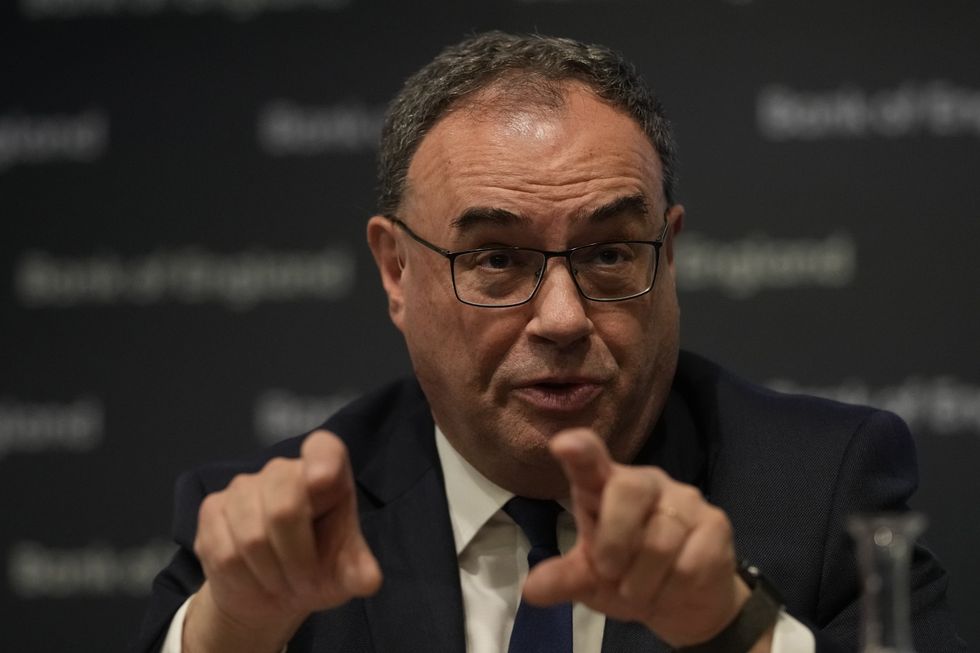
Mr Bailey himself previously warned ministers that reducing regulatory requirements to stimulate growth would heighten the likelihood of a financial crisis
| Getty Images"The fact that the leverage ratio has become a binding constraint for parts of the UK banking system should be treated as akin to a fire alarm going off," he said.
"And when a fire alarm in your house goes off, there are two reactions to that: one is you investigate the source of the fire, and the second is you remove the batteries from the alarm.
"If you relax the leverage ratio when it's the binding constraint, that's the same thing as taking the batteries out."
Mr Bailey himself previously warned ministers that reducing regulatory requirements to stimulate growth would heighten the likelihood of a financial crisis.