







A Bank of England rate‑setter has warned that quicker US rate cuts could push UK inflation higher, forcing policymakers in London to take a more cautious approach to easing monetary policy.
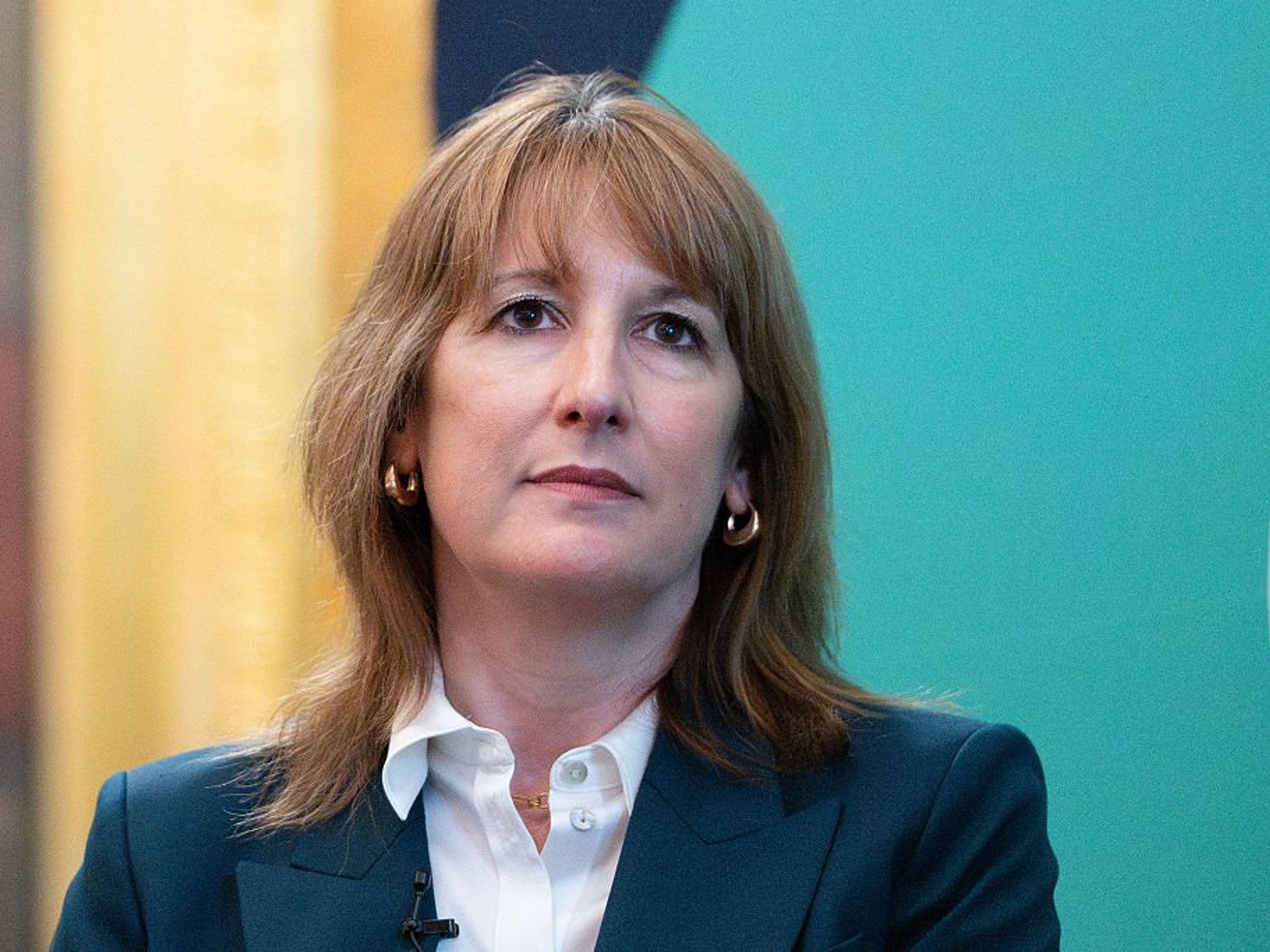
Megan Greene, a member of the Bank of England’s nine‑strong Monetary Policy Committee (MPC), has warned that the UK may need to diverge from the US Federal Reserve’s policy path, arguing that Britain’s economic structure means it cannot simply mirror decisions taken in Washington.
Speaking at an event hosted by the Resolution Foundation, Ms Greene challenged the assumption often held in financial markets that central banks around the world will be forced to follow any shift in direction by the Federal Reserve.
Instead, she suggested the Bank of England may need to move in the opposite direction if US policymakers opt for a more aggressive loosening of monetary policy.
TRENDING
Stories
Videos
Your Say
She said Britain’s position as a small, open economy means domestic inflation is shaped heavily by global price developments rather than by domestic conditions alone.
For that reason, she argued there is “a strong case for the Bank of England doing exactly the opposite” of the Fed, noting that UK prices are “likely to be influenced by price dynamics abroad”.
Her comments come as President Trump continues to publicly pressure the Federal Reserve to cut interest rates more quickly.
Ms Greene explained that if US rates were reduced more rapidly than those in the UK, the resulting boost to American demand could spill over into Britain by increasing appetite for UK exports, which would place upward pressure on prices at a time when the Bank is trying to ensure inflation remains under control.
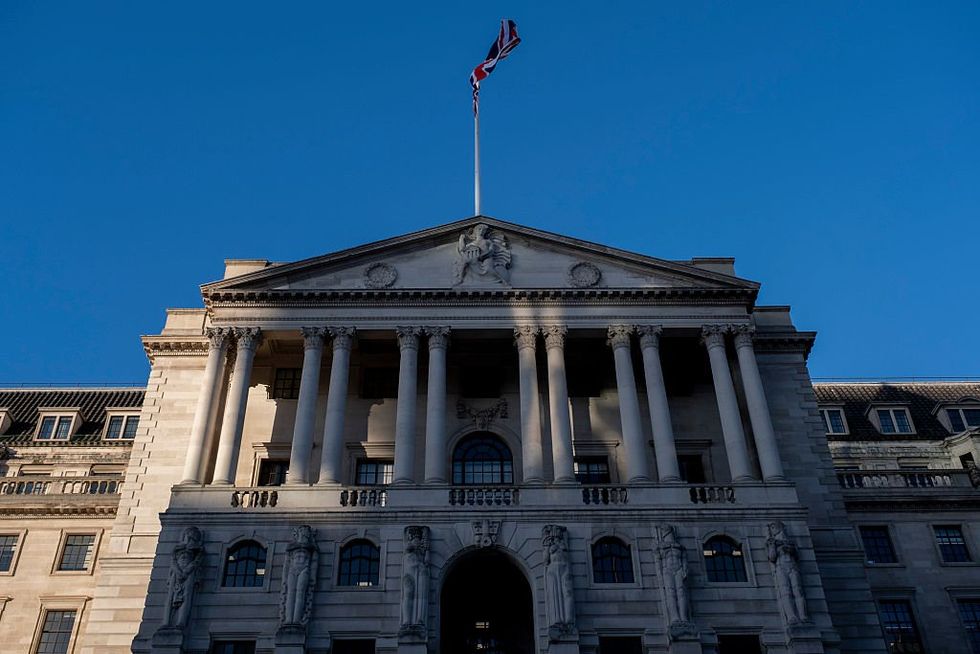
Bank of England policymaker issues interest rate warning
|GETTY
“If the Fed were to cut rates more aggressively than the Bank this year, this should cause US demand for UK exports to rebound, providing upward pressure on UK inflation,” she said.
She added that financial markets are already assigning a significant probability to looser US monetary policy over the coming year.
Ms Greene warned that if those expectations materialise, the balance of risks facing the UK would shift away from concerns about weak demand and towards the possibility that inflation proves more persistent than anticipated.
“This would, in my view, give even greater cause for concern about a risk of UK inflation persistence over that of weaker demand, warranting a slower withdrawal of monetary policy restriction in the UK,” she said.
LATEST DEVELOPMENTS
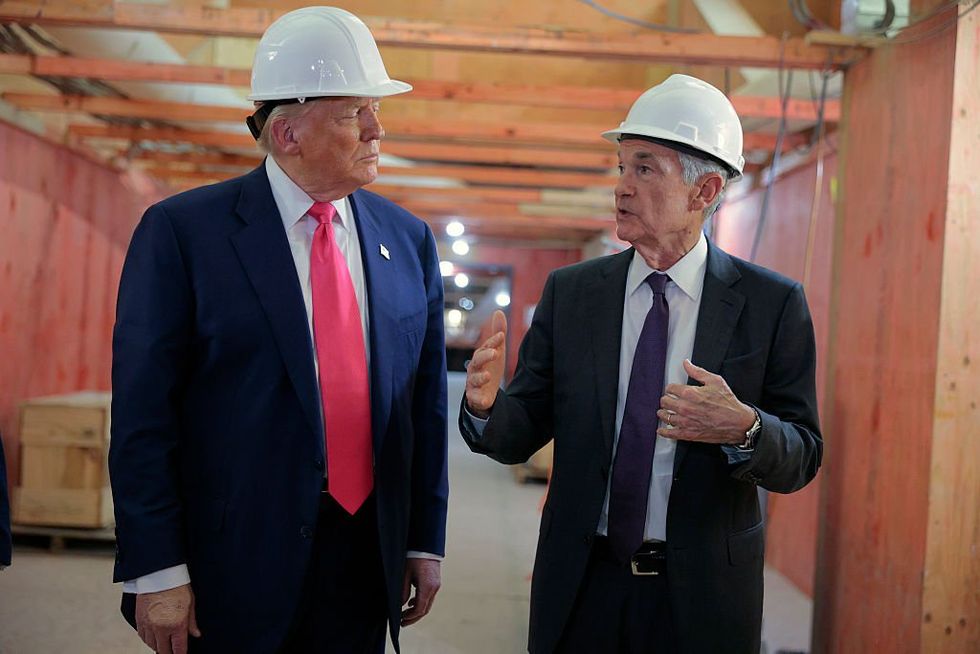
Federal prosecutors have opened a criminal investigation into Federal Reserve chair Jerome Powell
|GETTY
President Trump has repeatedly criticised the Federal Reserve for not cutting rates at a faster pace, arguing that lower borrowing costs are needed to support economic growth.
The future direction of US policy may hinge on who replaces the current Federal Reserve chairman, Jerome Powell, whose term ends in May.
Mr Trump has indicated he intends to nominate a successor who shares his preference for swifter rate reductions.
Ms Greene noted that investors have already priced in a substantial chance of a more accommodative stance from the Fed during 2026.
“The markets are currently pricing in a large risk of a looser Fed policy stance in 2026,” she said, warning that if those expectations prove accurate, the implications for Britain could be significant.
Stronger external demand, she said, would make it harder for UK inflation to return sustainably to target, potentially requiring the Bank to keep policy tighter for longer.
Turning to domestic pressures, Ms Greene said she is now less concerned about the speed at which inflation is falling than she was several months ago.
She attributed this shift to measures announced in Chancellor Rachel Reeves’ Autumn Budget, including a £150 reduction in average household energy bills due to take effect from April, which she expects will help push inflation lower.
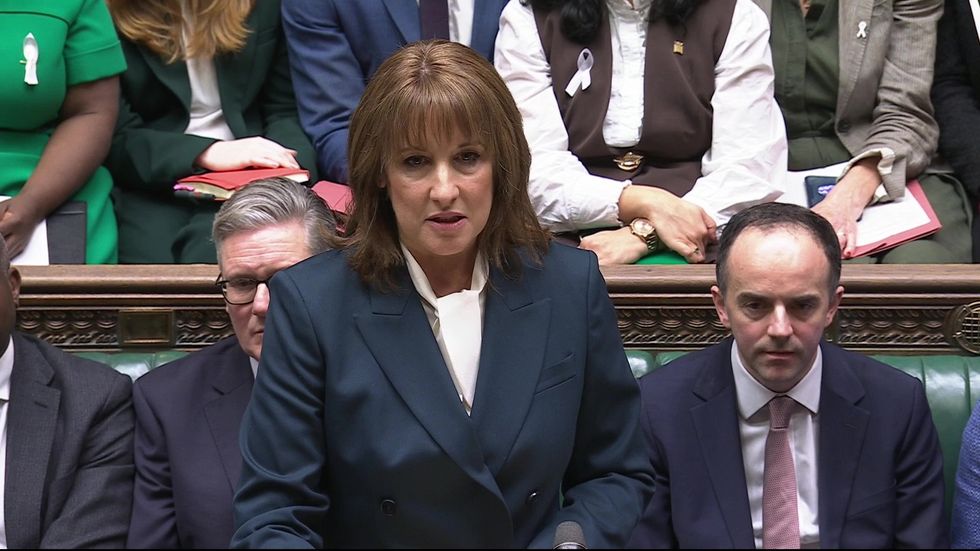
The Chancellor's move to take £150 off of energy bills has been credited as potentially pushing inflation lower
| UK PARLIAMENT/PAHowever, she stressed that she will continue to monitor inflation expectations among households and businesses to ensure they remain aligned with official data.
“I will be watching household and business inflation expectations over the coming months,” she said.
Wage growth remains a key concern.
Ms Greene said forward‑looking indicators suggest pay pressures may not ease as quickly as hoped.
“Even more concerning, in my view, are the forward indicators for wage growth,” she said.
While private‑sector wage growth has been slowing, she warned the Bank believes this downward trend “may have run its course”.
More From GB News