










Rachel Reeves has been warned that plans to freeze supermarket food prices could backfire.
The Bank of England Governor said long-term price controls are "not sustainable" and risk distorting the market.
Speaking to the Treasury Select Committee, Andrew Bailey raised concerns about reported Government talks with supermarkets over possible food price freezes.
"I think the question you have to think through in this sort of thing is, are you doing it for some very well-grounded, very temporary reason?" Mr Bailey told MPs.
He warned that introducing price caps on a regular basis would push prices away from the real cost of goods.
"That's not a sustainable thing in the long run," he said.
Mr Bailey also confirmed the Treasury had not consulted him about the proposals.
The scheme reportedly being discussed would see supermarkets offered relief from some regulations in exchange for freezing prices on around 20 essential products, including milk and eggs.
Labour's proposal has reportedly been presented to senior figures within the grocery sector, with retailers potentially being excused from some government policies as part of the arrangement.
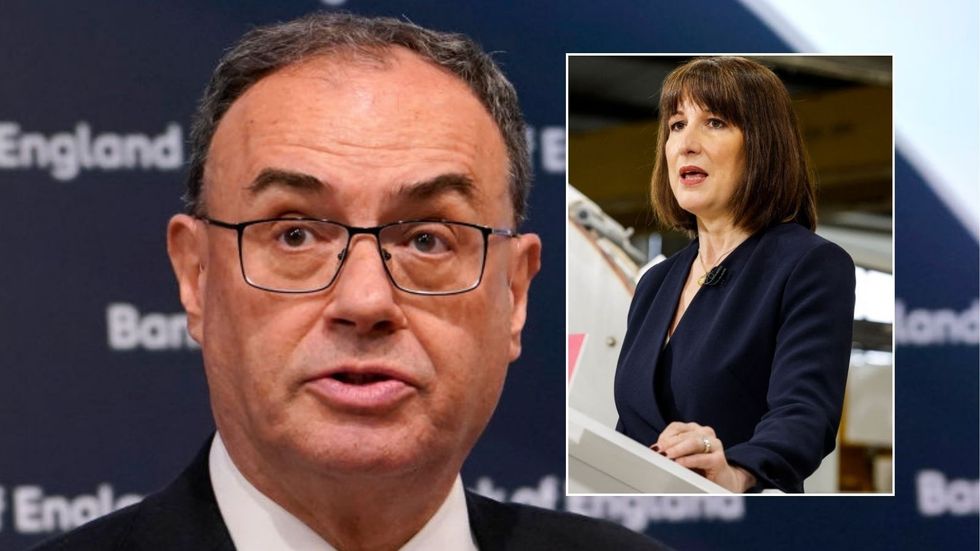
Mr Bailey also confirmed the Treasury had not consulted him about the proposals
| GETTYHowever, the plan has faced significant opposition from the retail industry, which has roundly criticised the approach.
Ministers moved quickly to deny the proposals on Wednesday, though reports had already emerged that the Chancellor had been in contact with retail bosses about the possibility of implementing such freezes.
Swati Dhingra, who sits on the Monetary Policy Committee responsible for setting interest rates, raised concerns that capping food prices could undermine the market signals that govern supply and demand.
The India-born economist drew on her own background to illustrate the risks. "I grew up with price controls on food all my life," Ms Dhingra told the committee.
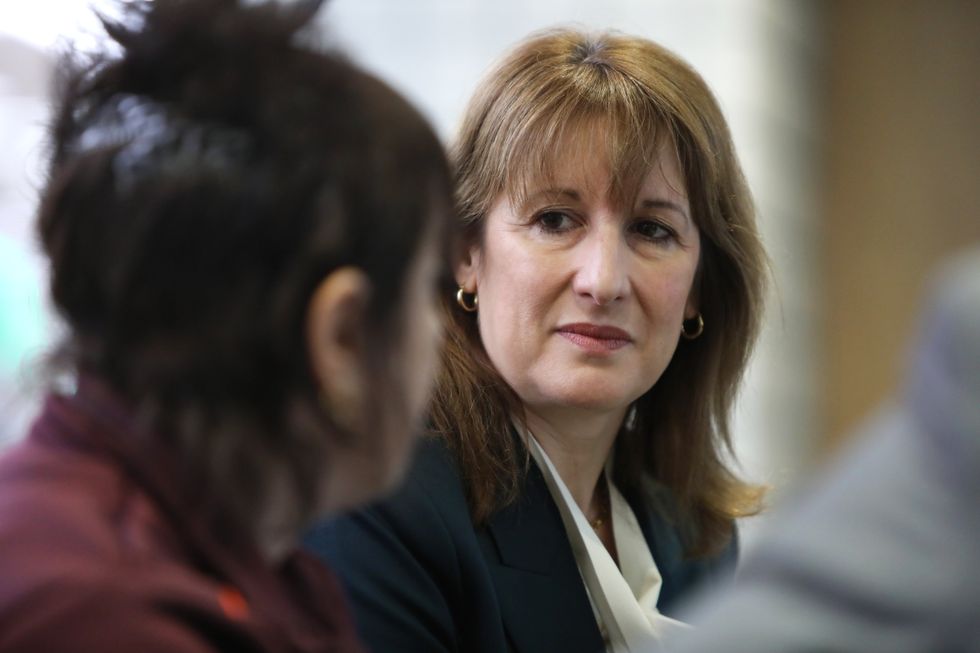
The plan has faced significant opposition from the retail industry, which has roundly criticised the approach
| GETTYShe acknowledged such policies had achieved some success in addressing famine and poverty, but warned of unintended consequences.
"At the same time, what it's ended up creating is a highly distorted agricultural sector in India," she said.
Ms Dhingra urged policymakers to proceed "with a lot of caution and a lot of thinking" about what such controls aim to achieve.
Mr Bailey noted that recent price increases had been "quite benign" despite broader economic pressures.
The former Asda chairman called the idea “idiotic” and warned it would never work
| ASDAOffice for National Statistics figures showed food inflation dropped from 3.7 per cent in March to 3 per cent in April, a decline the Governor described as "a little bit contrary to what we were expecting."
Ms Dhingra also questioned how long any market intervention could realistically continue. "As a market economy, you can do that for a little bit, but how long can you let it go on?" she asked the committee.
She noted that numerous countries had attempted similar price control measures "not necessarily successfully," with the fundamental problem being the suppression of price signals that consumers and producers rely upon.