










I once called Stamp Duty (SDLT) the tax equivalent of a bad workplace. You know the type: a place where everyone is unhappy, but the salary is good, and nobody can bring themselves to quit. SDLT works the same way.
Everyone knows it’s breaking the market, but the money it brings in is just so huge, politicians can’t bring themselves to get rid of it.
The numbers speak for themselves. The Adam Smith Institute reckons SDLT destroys 75p of wealth for every pound it raises.
People stay put when they should move. Downsizers cling to four-bedroom houses while young families stack up in flats. Workers turn down promotions because relocating costs too much.
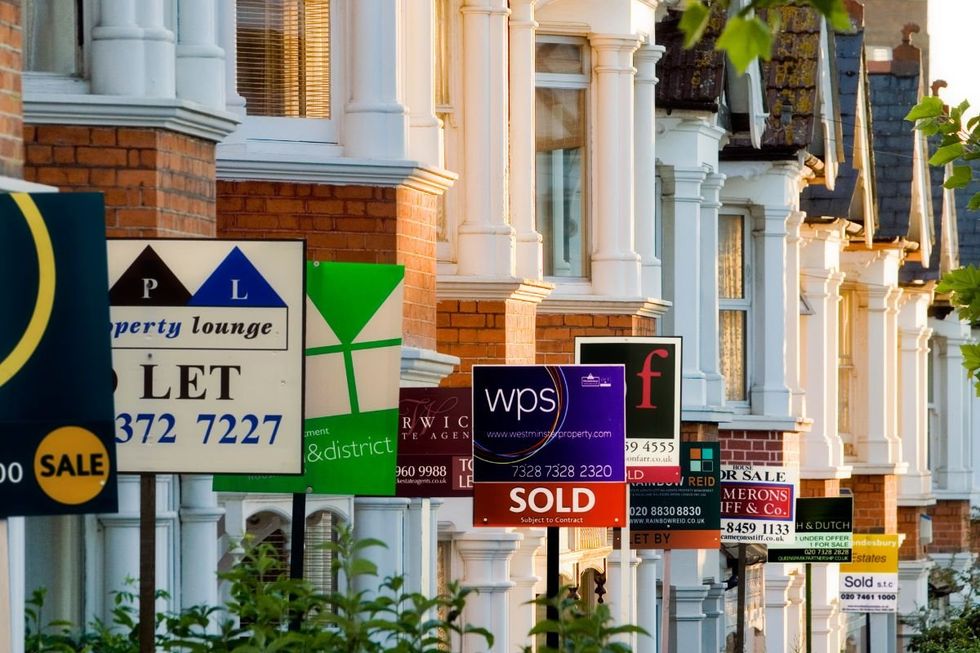
'Everyone knows Stamp Duty is breaking the market, but the money it brings in is just so huge'
|GETTY
And don’t get me started on buy-to-let, where the purchase of an average-priced home raises a tax bill of £24,000. But of course, the government needs money, and SDLT raised around £15 billion last year.
You cannot just bin that and hope for the best. Or can you? This is where the Laffer Curve argument kicks in. Scrap SDLT and stand back as transactions explode.
More sales mean more VAT on all the kitchens, carpets and solicitors' fees. More mobility means people take better jobs and pay more income tax.
Downsizers release capital and invest it or spend it, and free up their big houses too. The whole economy moves faster. The question is whether the spin-offs cover the hole in the Treasury's bucket.
Nobody knows for certain, and I’m guessing the Treasury does not like experiments where the stakes spin on fifteen billion quid.
LATEST DEVELOPMENTS
But there are other ways to raise property revenue without throttling the market. A tiny annual land value tax of 0.1% would spread the load and reward productive use of land.
It would also punish land banking and the hoarding of empty properties. Or you could just accept that SDLT is a brake on growth and treat its abolition as an investment rather than a loss.
Economic freedom will often repay you many times over (although Liz Truss may disagree). When people can move more freely, they work better. They live better. They spend more.

SDLT may destroy 75p of wealth for every pound it raises
|GETTY
The market unfreezes, and the whole system breathes. I don’t have the answers, but I do know that SDLT punishes aspiration and rewards inertia. Is that ever a good thing?
So should we bin it? Probably. Will we? That depends on whether we value economic dynamism over easy revenue. Right now, the government is choosing the easy option. And the aspiring home buyers are paying the price.
Property expert Jonathan Rolande is the founder of House Buy Fast. For more information, visit www.housebuyfast.co.uk.
Our Standards: The GB News Editorial Charter