










The wet weather this winter has been relentless, and both the Environment Agency and the Met Office have warned that the rain is likely to continue until at least mid-March.
While we have had a brief respite over the past few days, homeowners would be wise to use this opportunity to minimise the risk of damage to their properties.
The reality is that many of our homes simply aren’t built to withstand the increasingly wet winters brought about by a changing climate.
In fact, nearly 40 per cent of UK housing was constructed before 1946, meaning many homes were not designed to cope with large volumes of rain falling in short periods.
TRENDING
Stories
Videos
Your Say

With increasingly extreme weather, it’s important to ensure your policy provides adequate protection
|GETTY
Architects and builders of the past could not have foreseen this shift in weather patterns, and as a result, almost every property has potential vulnerabilities.
Lead flashings around chimneys, for example, can cope with moderate rainfall, but torrents of water may cause them to fail, and problems like this are often difficult to spot from ground level.
Bricks are also porous. During prolonged wet periods, they don’t have the chance to dry out properly, allowing moisture to eventually work its way inside a property.
Cavity wall insulation can sometimes act as a bridge, transferring water from external brickwork into the interior of a house.
The result can be damaged plasterwork and interior decoration, repairs that can quickly become very expensive.
Even the construction of driveways can contribute to the problem. Hard surfaces prevent water from soaking naturally into the ground, increasing the amount that runs off towards the property.
Below are six simple checks homeowners can carry out to help protect their homes from the worst of the weather.
LATEST DEVELOPMENTS
1. Check your roof, gutters and downpipes
Inspect these during rainfall if possible. It may mean getting a little wet, but spotting a blockage or leak early can prevent bigger problems later. Ideally, gutters should be cleared at least twice a year.
2. Inspect brickwork and external render
Look for cracks, gaps or damaged pointing. Water penetrating these areas can lead to internal damp and even structural issues.
3. Examine flat roofs
Check for signs of “ponding”, where water collects on the surface. Even small areas of standing water increase the risk of punctures in the roof membrane and eventual leaks.
4. Consider planting a tree
Tree roots absorb significant amounts of water from the soil, which can help reduce waterlogging and ease pressure on drainage during particularly wet periods.
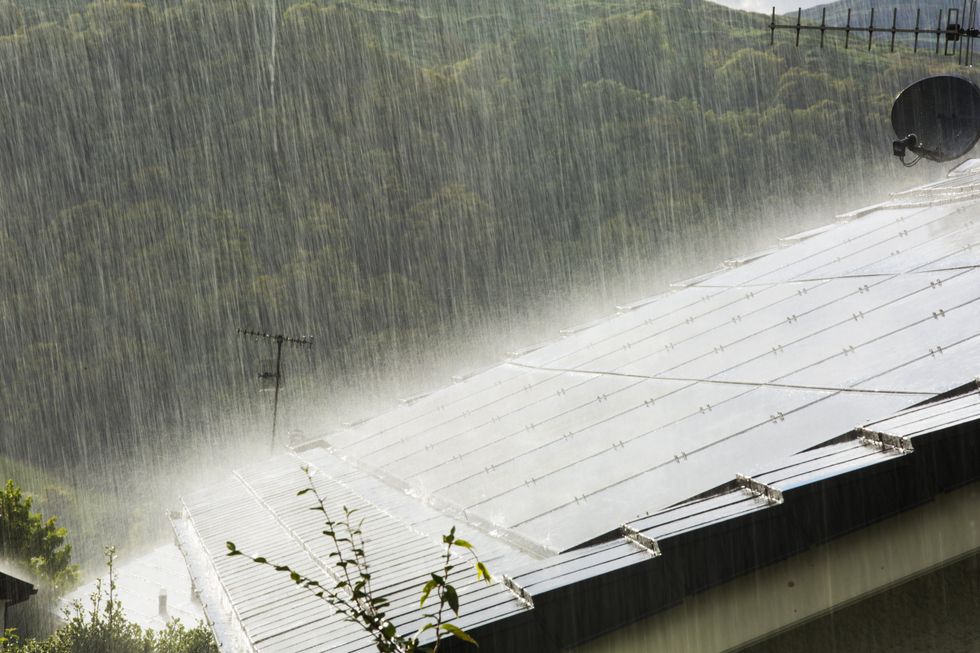
Make sure drains and soakaways are clear and functioning properly
|GETTY
5. Check drainage around your home
Make sure drains, gullies and soakaways are clear and functioning properly so water can flow away from the property.
6. Review your insurance cover
Check that both buildings and contents insurance are up to date. With increasingly extreme weather, it’s important to ensure your policy provides adequate protection.
Property expert Jonathan Rolande is the founder of House Buy Fast.
For more information visit www.jonathanrolande.co.uk.
Our Standards: The GB News Editorial Charter