









As we move into Spring and edge towards the first 100 days of 2026, it feels like an appropriate moment to pause and take stock of what’s happening in the housing market.
Traditionally, this is the season of renewed activity: fresh listings, motivated buyers and a sense of momentum building. But this year, the backdrop is more complex.
The word increasingly being used by economists is “stagflation”, a combination of sluggish growth and persistent inflation.
GDP is ticking along at a modest pace, somewhere between 0.7 per cent and 1.1 per cent, but the real issue is that costs continue to rise. For households, this creates a difficult squeeze, and for the housing market, it introduces the worst thing of all: hesitation.
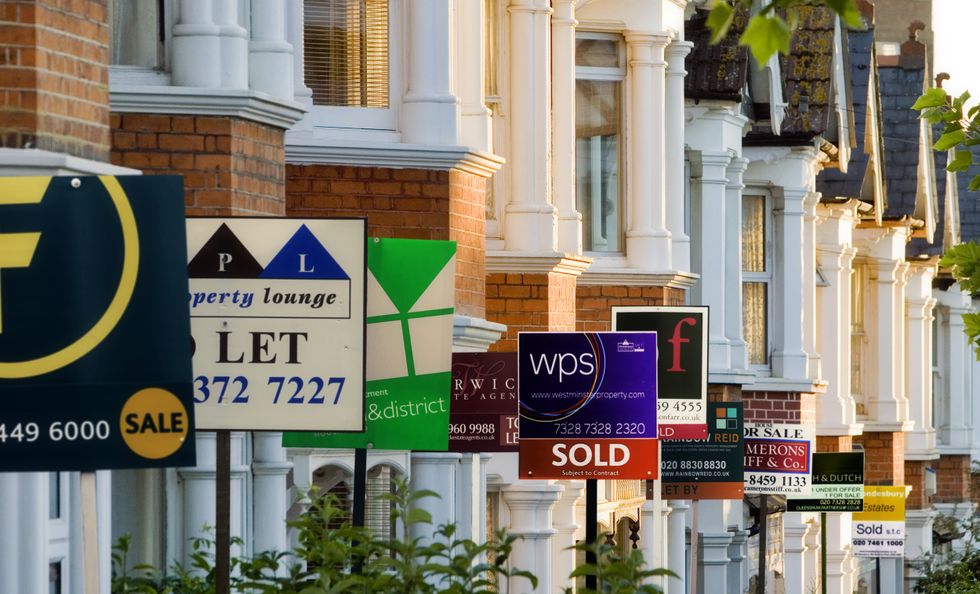
The ripple effects of the Middle East conflict are being felt in the UK
|GETTY
Over the next three months, all eyes will be on interest rate decisions. There is a growing sense that rates may need to rise again to tackle inflationary pressures.
If that happens, it risks dampening demand further. Buyers are already grappling with affordability challenges, and wages are simply not keeping pace with the cost of living, let alone the prospect of more expensive mortgages. For many would-be movers, that could be the final barrier.
Global events are also playing their part in a massive way. The ongoing conflict in the Middle East is first and foremost a human tragedy, but its economic ripple effects are being felt here in the UK.
Energy prices remain volatile, and that uncertainty feeds directly into inflation. As a result, the Bank of England is likely to remain cautious, keeping interest rates higher for longer. Stability is something the property market thrives on, and right now, it is in short supply.
Regionally, we are beginning to see a clearer divide emerge, and the next few months will bring that into sharper focus. In London and the South East, sellers are increasingly under pressure.
Pricing expectations are adjusting, and in many cases, reductions are needed to secure a sale. It is not a collapse, nowhere near that. But it is certainly cooling.
By contrast, parts of the North and Scotland continue to show resilience. Relative affordability, combined with steady demand, is helping to underpin activity. Buyers in these areas often have more flexibility, and that is translating into a more stable performance.
LATEST DEVELOPMENTS
So where does that leave us as we head deeper into spring? In simple terms, this is a lukewarm market. We are unlikely to see any significant surge in prices before the Summer.
Instead, what we are witnessing is a period of adjustment, a bit of a recalibration after years of extremes. Transactions are still happening, but they require realism from sellers and careful planning from buyers.
There are also longer-term factors waiting in the wings. Significant reforms to the rental sector are on the horizon, and their full impact has yet to be felt. These changes could influence investor behaviour and, in turn, affect supply in the wider market.
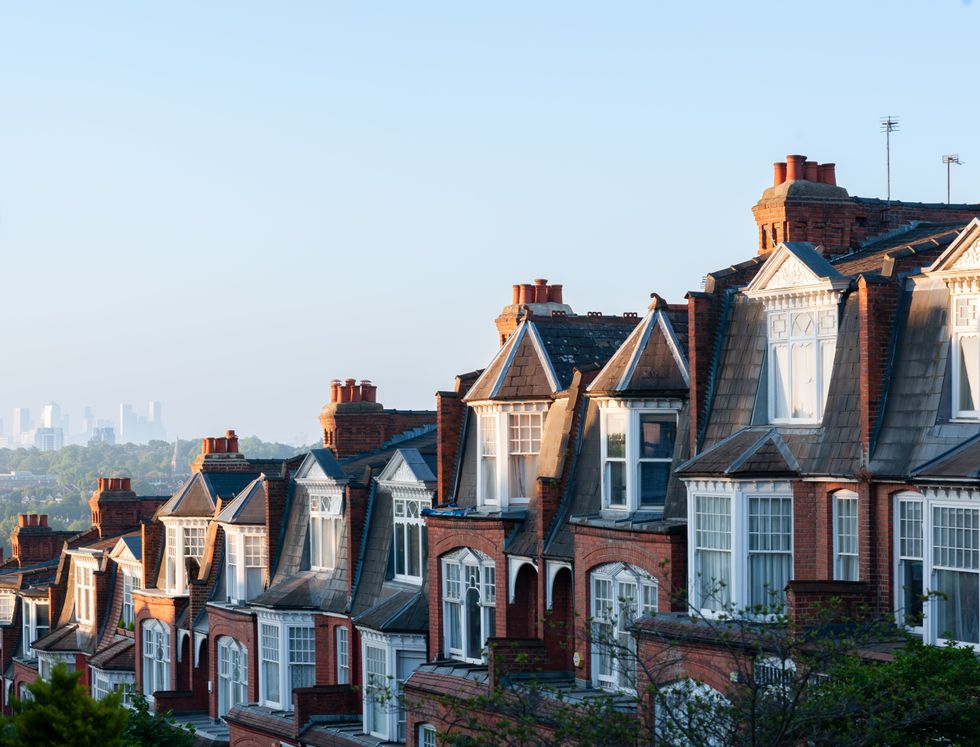
All eyes will be on interest rate decisions over the next three months
|GETTY
For now, the message is one of cautious observation. The next quarter will be critical in shaping the direction of the rest of the year.
While the conditions may not be ideal, the market remains active. Say what you like about property, but one thing is certain: it is never boring. Happy Easter!
Property expert Jonathan Rolande is the founder of House Buy Fast for more information visit www.housebuyfast.co.uk
Our Standards: The GB News Editorial Charter