










A traditional Chinese medicinal root with centuries of use has attracted fresh scientific scrutiny as a possible breakthrough treatment for common baldness.
Polygonum multiflorum, historically prized for its purported ability to restore lustrous dark hair, could tackle various hair concerns, scientists say.
Androgenetic alopecia represents the most prevalent form of hair loss globally, affecting millions of people.
Medications including finasteride and minoxidil remain standard prescriptions, but worries surrounding adverse effects and prolonged usage have prompted numerous patients to explore gentler alternatives.

The latest findings bridge ancient wisdom and modern science
|GETTY
A recently published scientific review proposes that this ancient herb may offer a compelling option for those managing the condition.
Conventional hair loss remedies typically target a single biological mechanism, but this herb appears to operate quite differently.
The review indicates Polygonum multiflorum influences multiple processes concurrently.
It diminishes the impact of dihydrotestosterone, the hormone responsible for follicle miniaturisation. Simultaneously, the root shields hair follicle cells from dying prematurely.
The herb also stimulates crucial growth-related signalling pathways, namely the Wnt and Shh systems.
Enhanced blood flow to the scalp could also potentially improve the supply of oxygen and essential nutrients to follicles.
LATEST DEVELOPMENTS
This multi-pronged approach distinguishes it from single-target pharmaceutical interventions currently available to patients.
Han Bixian, the review's lead author, offered a striking assessment of the findings published in the Journal of Holistic Integrative Pharmacy.
"Our analysis bridges ancient wisdom and modern science," she stated.
"What surprised us was how consistently historical texts - from the Tang Dynasty onward - described effects that align perfectly with today's understanding of hair biology. Modern studies now confirm that this isn't folklore; it's pharmacology."
The research team scrutinised an extensive array of materials, encompassing laboratory investigations, clinical observations, and centuries-old herbal manuscripts.
Collectively, these sources reveal a treatment capable of achieving far more than simply decelerating hair thinning.
The review noted that Polygonum multiflorum may actively promote hair regeneration rather than merely postponing further loss.
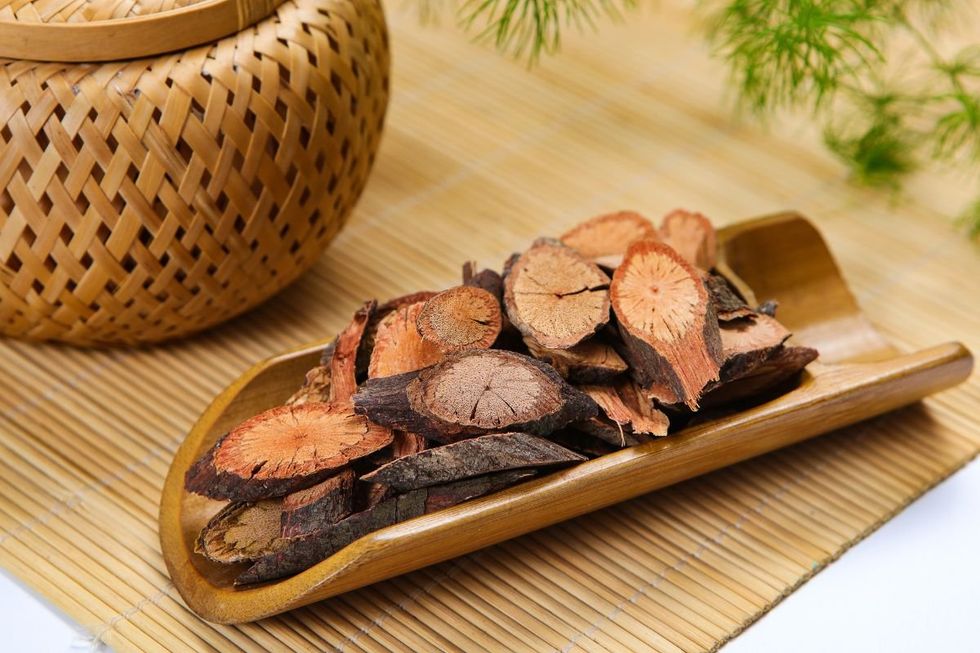
The herb also stimulates growth-related signalling pathways
|GETTY
By influencing numerous growth factors and signalling pathways governing the hair cycle, the herb could prove more efficacious than treatments addressing only one biological target.
Regarding safety, the authors note that proper processing—a traditional preparation step—yields a favourable profile, potentially appealing to patients concerned about side effects such as sexual dysfunction or scalp irritation associated with existing medications.
Nevertheless, the researchers urge caution, stressing that rigorous clinical trials remain essential to validate these promising findings and establish optimal therapeutic protocols.
Our Standards: The GB News Editorial Charter