










Walk down any British high street and you will spot bubble tea shops popping up almost as frequently as your favourite coffee chains.
The Taiwanese drink, with its vibrant colours and distinctive chewy tapioca pearls, has become an absolute sensation since arriving from Asia in the 1980s.
But beneath the drink's obvious appeal, growing evidence suggests it might be hiding concerning health risks that most fans have no idea about.
A Consumer Reports investigation discovered raised lead levels in certain bubble tea products, which makes sense when you consider that cassava plants – the source of tapioca starch – naturally soak up heavy metals from the ground.
TRENDING
Stories
Videos
Your Say
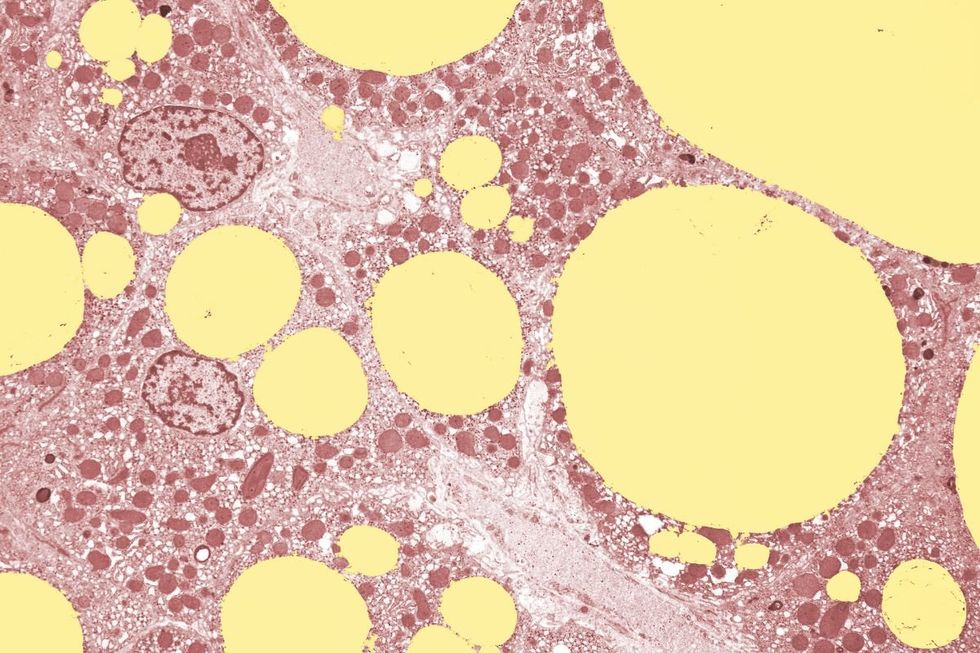
Bubble tea consumption could have long-term consequences for the liver
|GETTY
The pearls can also wreak havoc on your digestive system, as their dense, starchy nature means eating too many can slow down how quickly your stomach empties, potentially causing nausea, vomiting and tummy pain.
In extreme cases, they can cause complete blockages.
There is also the choking risk, which paediatricians have warned about for years. It is not just little ones at risk, either – reports from Singapore described a 19-year-old who tragically died after inhaling three pearls through a blocked straw.
A striking case from Taiwan in 2023 also exposed risks for the kidneys, after surgeons removed over 300 kidney stones from a 20-year-old woman who had apparently been choosing bubble tea over water.
Ingredients like oxalate and high phosphate levels in the drink can encourage stone formation, though this particular case involved exceptionally heavy consumption.
And let's talk about sugar – because the numbers are genuinely eye-opening.
A standard bubble tea can pack anywhere from 20 to 50 grams of sugar, which actually matches or beats a can of Coca-Cola at 35 grams.
LATEST DEVELOPMENTS
Taiwanese research found that children who regularly enjoyed the drink were 1.7 times more likely to develop cavities by age nine.
The long-term consequences include heightened risks of type 2 diabetes, obesity and fatty liver disease.
Perhaps the most unexpected findings involve mental health. Studies examining children in China who frequently consumed bubble tea found elevated rates of anxiety and depression.
Research with Chinese nurses showed similar patterns in adults, linking regular consumption to anxiety, depression, fatigue and reduced well-being – even after accounting for other factors.
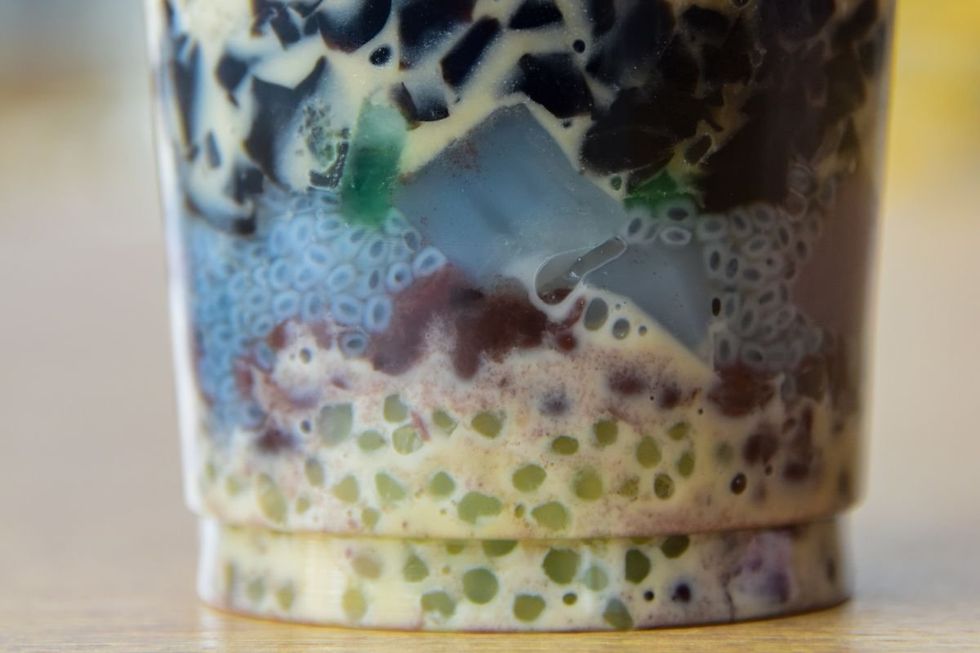
A standard bubble tea can pack anywhere from 20 to 50 grams of sugar
|GETTY
Doctors have also noticed something rather peculiar – tapioca pearls showing up on medical scans of patients admitted for completely unrelated issues.
The dense pearls can actually mimic kidney or gallstones on imaging, potentially complicating diagnoses, although this does not mean you need to swear off bubble tea forever.
But the evidence does suggest treating it as an occasional indulgence rather than a daily habit. And if you do fancy one, skipping the wide straw might reduce that choking risk.
Our Standards: The GB News Editorial Charter