










Motorists across the UK have been found to have travelled far fewer miles each year compared to most other European countries.
The study, carried out by vehicle history platform carVertical, analysed hundreds of thousands of reports from 18 European countries. It found that the average British driver covers just 7,900 miles a year.
This marked one of the lowest figures anywhere in Europe and was well below the continental average, with several factors found to have contributed to the drop in driving habits.
The research also found that British drivers tend to change their cars more often than many other Europeans. On average, UK motorists keep a vehicle for around four-and-a-half years before selling or trading it in.
TRENDING
Stories
Videos
Your Say
Because of this combination of low annual mileage and short ownership periods, the typical British car has covered just 35,600 miles by the time it enters the second-hand market.
Across Europe as a whole, the average used car has already clocked up 47,200 miles when it is sold. The gap becomes even clearer when Britain is compared with eastern and southern European countries.
In Poland, drivers rack up an average of 70,200 miles before selling their cars. Slovakian motorists reach 67,800 miles, while Portuguese owners average 67,250 miles.
Only a small number of countries recorded lower lifetime mileage than the UK. These included Serbia, where cars averaged 11,680 miles, Ukraine at 14,030 miles, and Hungary at 29,730 miles.
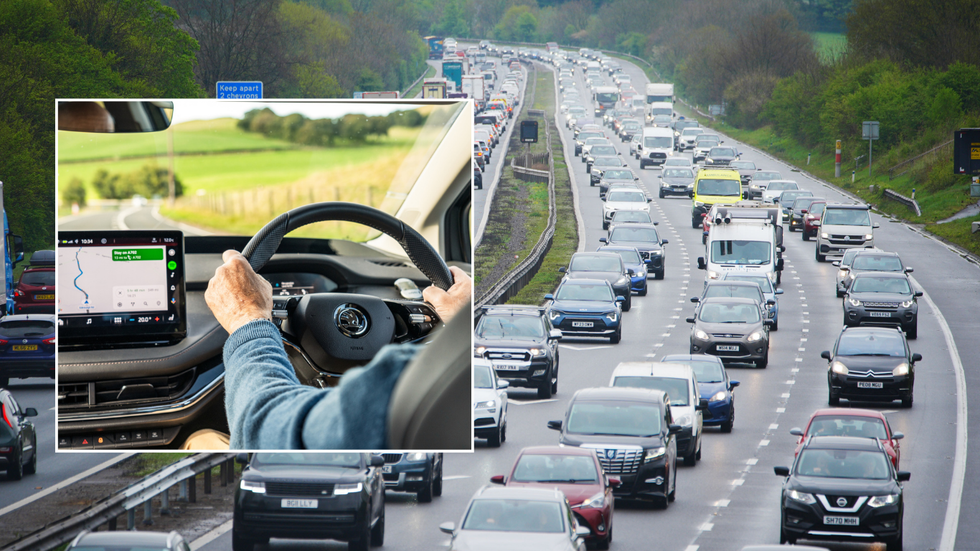
Experts warned of the impact that expensive travel is having on car mileage
|PA/GETTY
Experts explained there are several reasons why UK motorists spend less time behind the wheel.
One major factor is the popularity of PCP finance deals and workplace leasing schemes, which encourage drivers to change cars every three or four years.
This has created a culture where cars are replaced regularly rather than kept for the long term.
High motoring costs are another key reason. Fuel prices in the UK remain among the highest in Europe, while insurance premiums have risen sharply in recent years.
Congestion charges and Low Emission Zones in major cities also discourage unnecessary journeys.
The rise of remote and hybrid working has had a lasting impact, too. Millions of people now commute fewer days a week, permanently cutting the distance they travel by car.
Britain's strong second-hand car market also plays a role. Many drivers choose to sell their vehicles before costly MOT repairs or major servicing milestones, rather than keeping them for longer.
LATEST DEVELOPMENTS
- Driving law changes launching in 2026 will impact millions - Car tax hikes, digital licences, fuel charges and more
- Electric bike dangers spread across UK as firefighters issue stark warning over deadly battery fires
- Millions of drivers could see major law changes launched soon as new rules gain mass support
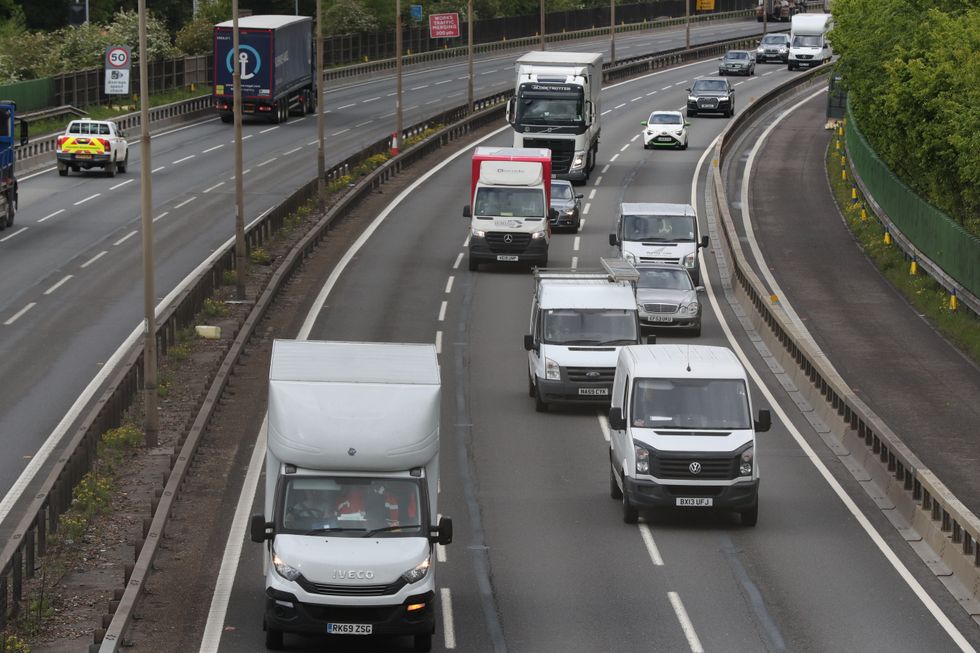
Drivers were found to be travelling less this year due to car taxes and congestion charges impacting costs
| PAMatas Buzelis, motoring expert at carVertical, said the findings may surprise many drivers.
He said: "Britons love their cars, so it may come as a bit of a surprise that the UK consistently sits at the lighter end of the scale when it comes to using them."
He added that geography and infrastructure make a big difference. "With shorter distances between major cities and strong public transport links, British drivers simply don't need to cover the same ground as motorists in larger countries like Poland," Mr Buzelis explained.
Money pressure also shapes driving habits. He said: "The cost of owning a car in the UK also plays a role. High fuel prices, insurance costs and congestion charges put drivers off unnecessary journeys, while hybrid and remote working have permanently reduced commuting needs for millions of people."

The second-hand car market can benefit from low mileage
| GETTYThe findings suggest British used cars may be more attractive to buyers than vehicles imported from other European markets. Lower mileage often means less wear and tear.
Mr Buzelis said many UK drivers are reluctant to keep cars beyond 60,000 or 70,000 miles, while motorists elsewhere are more willing to run vehicles for much longer.
"The UK is unusual in combining both low yearly mileage and moderate ownership duration, producing used cars that are often in better shape than those from many high-mileage European markets," he said.
With many modern cars still covered by manufacturer warranties of up to 100,000 miles, buyers in the British second-hand market may be benefiting from the nation's cautious driving habits.