







British self-driving car firm Wayve has secured a staggering £1.1billion in fresh funding as it prepares to roll out robotaxis on UK roads.
The investment was backed by tech giants including Microsoft, NVIDIA and Uber, as well as major global carmakers Mercedes-Benz, Nissan and Stellantis.
Wayve said the funding marks a major shift from research to large-scale commercial deployment of its AI-powered driving technology.
The firm explained that it plans to launch commercial robotaxi trials in London in 2026 through its partnership with Uber.
TRENDING
Stories
Videos
Your Say
From 2027, it aims to introduce its "supervised autonomy" software into consumer vehicles, starting with L2+ "hands-off" capability, allowing cars to steer and respond to traffic under driver supervision.
Unlike some rivals, Wayve said its system runs entirely using onboard computers and sensors and does not rely on high-definition maps or city-by-city engineering.
The company licenses its AI Driver directly to manufacturers, allowing them to adapt it to different vehicles and brands.
In the past year, Wayve said it became the first autonomous vehicle developer to drive "zero-shot," without prior city-specific tuning, in more than 500 cities across Europe, North America and Japan.
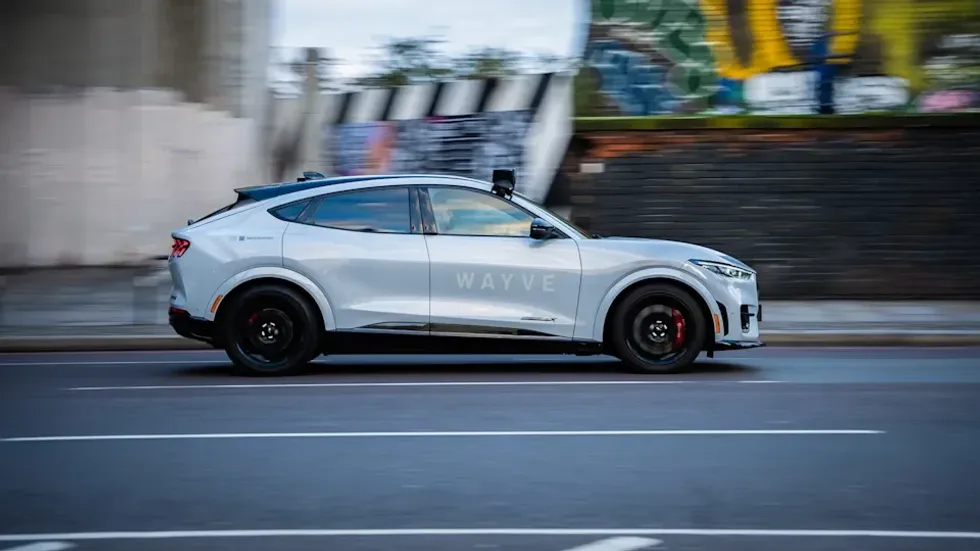
The UK tech giant has received £1.1billion in funding for new self-driving cars
|WAYVE/PA
Co-founder and chief executive Alex Kendall said the latest investment would help the company scale globally.
"We are building for a total addressable market that spans every vehicle that moves," he said.
Mr Kendal said: "Autonomy will not scale through city-by-city robotaxi deployments alone. It will scale through a trusted platform that automakers and fleets can deploy globally and improve continuously.
"This investment accelerates our path to widespread commercial deployment and positions us to build the autonomy layer that will power any vehicle, anywhere."
LATEST DEVELOPMENTS
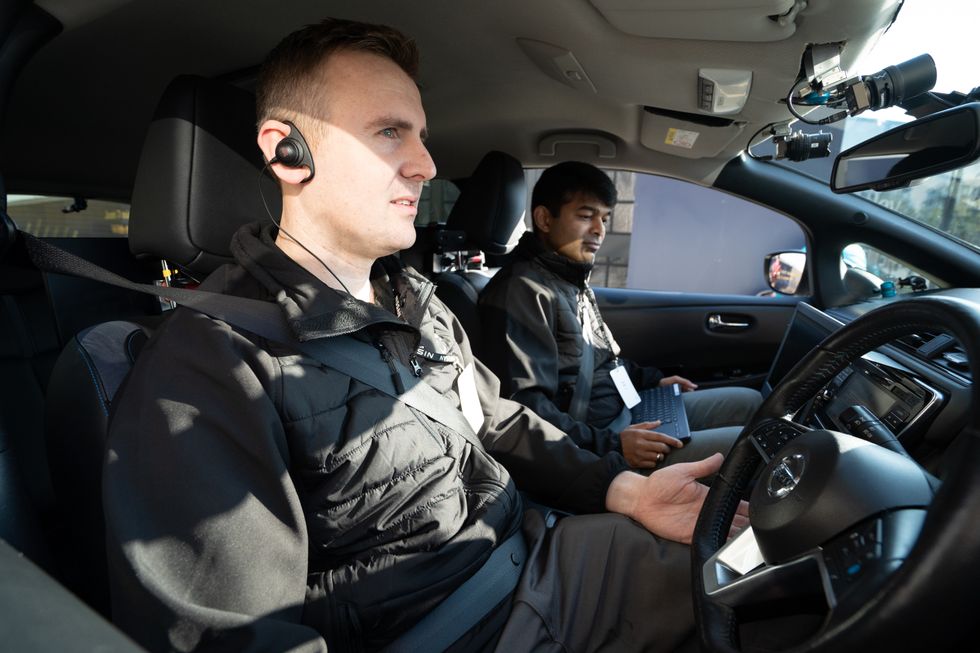 The self-driving sector could be worth £42billion in 2035 | PA
Uber will also invest additional milestone-based funding to support multi-year deployments of Wayve-powered robotaxis on its network, with plans to scale to more than 10 markets worldwide.
Uber chief executive Dara Khosrowshahi said it was proud to continue its partnership with Wayve, with plans to deploy together in more than 10 markets around the world.
"Wayve's powerful end-to-end approach is purpose-built for scale, safety, and effectiveness, and we're excited to work with them across multiple OEMs and geographies, which we'll share more about soon," he added.
Microsoft chairman and chief executive Satya Nadella added: "Wayve is pushing the frontier of embodied AI for autonomous driving, and Azure supports the scale, reliability, and safety needed to bring that innovation into the real world."
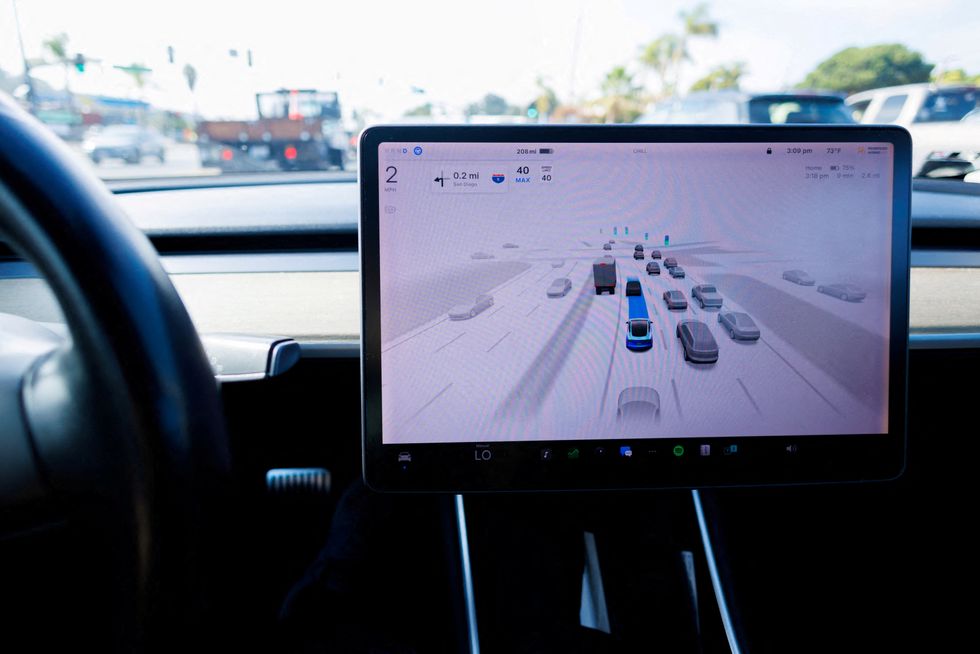
Self-driving vehicles could be seen on the road by 2026
| REUTERSNissan president and chief executive Ivan Espinosa said the investment "deepens our partnership with Wayve and supports Nissan's plans to advance autonomous driving through scalable end-to-end AI".
Antonio Filosa, chief executive of Stellantis, said Wayve's approach "represents an important innovation in autonomous driving technology" and aligns with the company's "focus on scalable, safety-first vehicle intelligence". The Government has also welcomed the deal as a boost for Britain's growing AI and automotive sectors.
Technology Secretary Liz Kendall said: "Wayve is a powerful example of the strength, ambition and potential of Britain's innovative firms. "This fundraiser demonstrates the international confidence in our brilliant AI sector and reaffirms Britain's position as the leading scale-up ecosystem in Europe."
Transport Secretary Heidi Alexander added: "Wayve is pushing the boundaries of innovation right here in the UK, and this investment will cement the UK as a powerhouse for the next generation of transport."
Our Standards: The GB News Editorial Charter