







London Mayor Sadiq Khan has introduced higher road charges today for the first time in five years, potentially impacting millions of motorists across the capital.
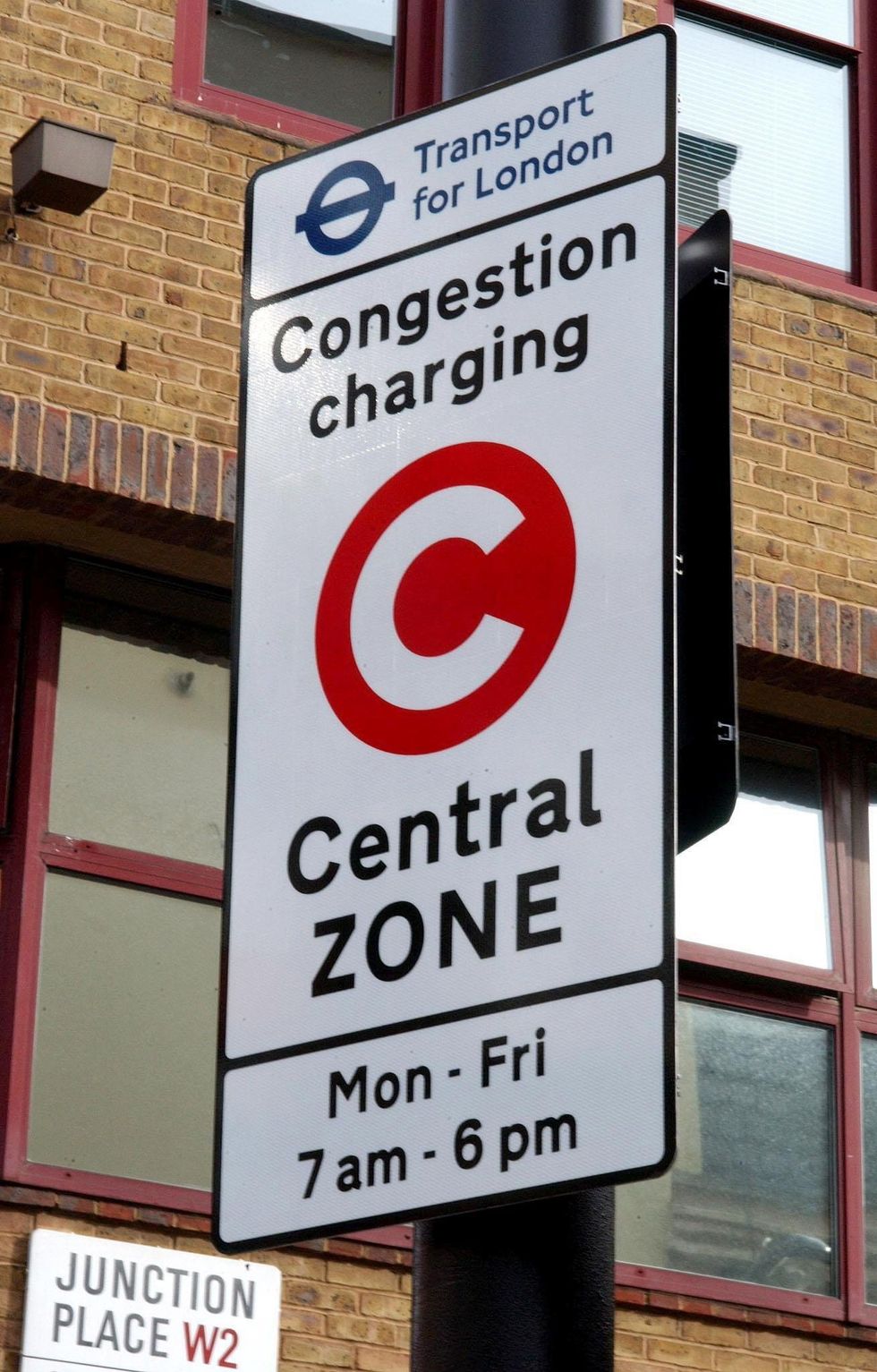
Drivers will face higher costs in central London from today, January 2, as the Congestion Charge rises to £18 a day and electric vehicles are forced to pay for the first time.
Transport for London confirmed the daily charge will increase from £15 to £18, with motorists who fail to pay on the day seeing late payment costs rise from £17.50 to £21.
The move marks the first increase since 2020 and ends the long-standing exemption for electric vehicles, which had been in place under the Cleaner Vehicle Discount.
TRENDING
Stories
Videos
Your Say
TfL stated the changes were needed to tackle growing congestion in the capital, warning that without reform, an extra 2,200 vehicles would enter the charging zone on an average weekday next year.
Since 2019, electric vehicle registrations in London have jumped almost sixfold, from around 20,000 to more than 116,000.
TfL estimates they will soon make up close to 20 per cent of all vehicles driving through the Congestion Charge zone.
Under the new rules, electric cars registered for Auto Pay will receive a 25 per cent discount and pay £13.50 a day. Electric vans, HGVs and quadricycles will receive a 50 per cent discount.
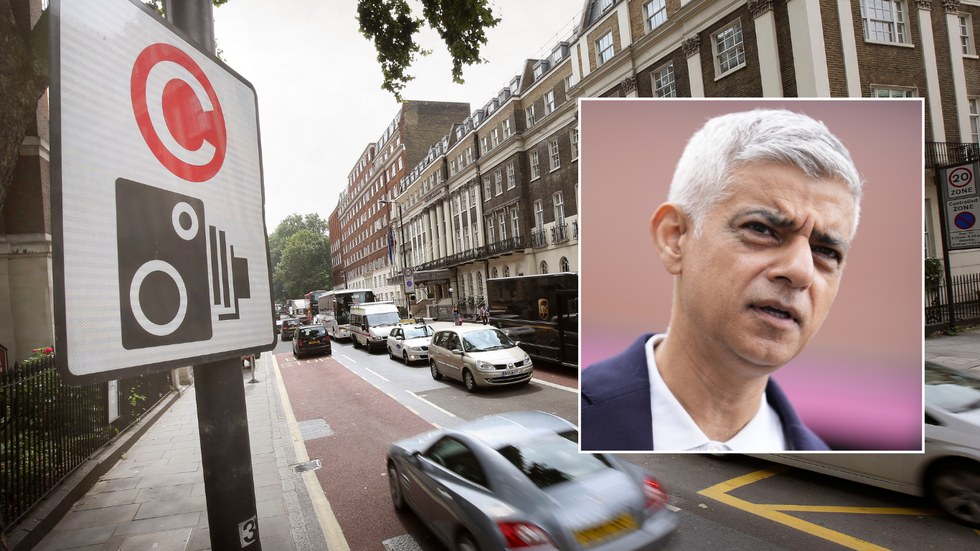
Mayor Sadiq Khan said the Congestion Charge increase would help keep 2,000 vehicles daily off the roads
| PASir Khan defended the changes, saying the charge must remain effective. "Keeping London moving by reducing congestion is vital for our city and for our economy," he said.
"We must support Londoners and businesses to use more sustainable travel, so I'm pleased that substantial incentives will remain in place for Londoners who switch to cleaner vehicles, as we work to build a greener and better London for everyone."
TfL's Director of Strategy, Christina Calderato, added: "If we want to ensure that London remains a thriving city for everyone to enjoy, then it's vital that traffic and congestion are kept under control and managed effectively."
However, the changes have sparked concern among drivers, particularly minicab operators who rely on access to central London.
LATEST DEVELOPMENTS
 Electric vehicle owners will have to pay the Congestion Charge for the first time | PA
One driver, who has used an electric minicab for six years, warned the new charge could push drivers away from EVs altogether.
"Having to pay £13.50 a day will put people off getting EVs," he told the BBC. "There's going to be a drop in drivers, and when there's a drop, fares will go up. This job is based on surge pricing. Absolutely, prices will rise."
Edmund King from the AA said removing the exemption risks slowing the switch to electric vehicles, warning that it could "backfire on London and backfire on the environment".
He added: "Let's be honest, traffic in central London already moves at the speed of a horse and cart. A few more electric vehicles aren't going to make much difference."
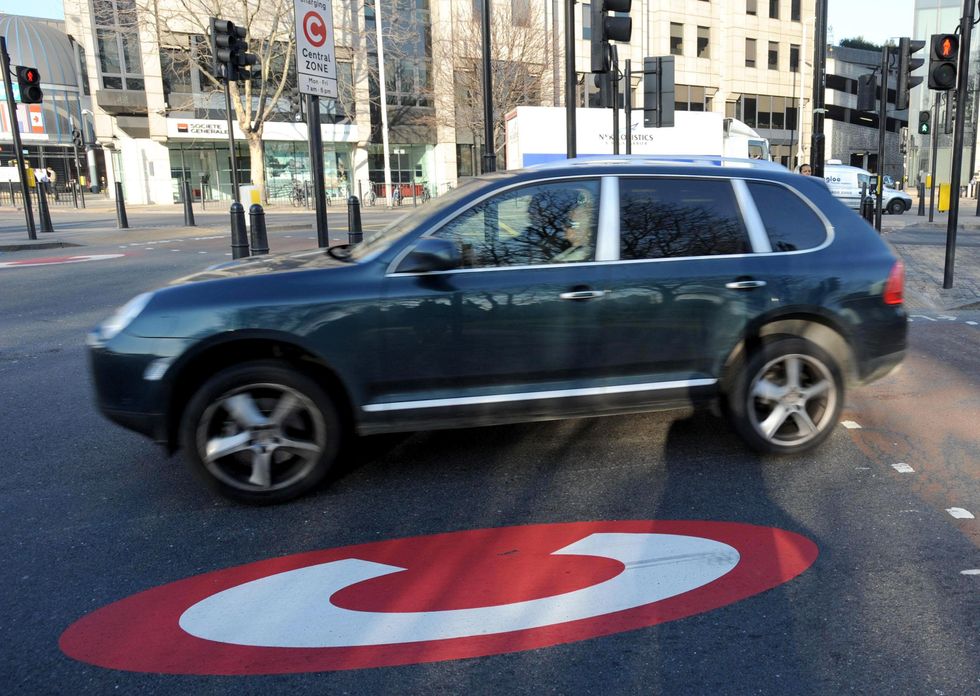
The Congestion Charge will rise from £15 a day to £18 today
| PAPeople receiving the 90 per cent Residents' Discount will keep it regardless of vehicle type, but new applicants from March 2027 will only qualify if they drive an electric vehicle.
Low-income and disabled residents will continue to receive additional support until 2030.
Campaign group Mums for Lungs said the charge had not risen for six years, while public transport fares have increased regularly.