








Chancellor Rachel Reeves has come under fire over plans to introduce new road taxes for electric cars, which could completely collapse the EV market.
Ministers have become increasingly worried that a planned pay-per-mile levy on electric cars will push drivers away from EVs just as the Government is trying to force the transition away from petrol and diesel.
The controversial charge, set at 3p per mile for electric cars from 2028, has now caused alarm inside Whitehall after official forecasts showed it could devastate sales.
Government figures are now urgently looking for ways to cut the cost of charging electric vehicles, particularly at public charging points, in an attempt to offset the damage.
TRENDING
Stories
Videos
Your Say
Downing Street has turned its attention to the soaring network charges faced by public charging providers, which have risen sharply in recent years and are being passed on to drivers.
One source familiar with the internal discussions told The Telegraph that concern inside the Treasury is growing. "The way we convince people to switch to EVs is by showing people it is easy and it is cheap," a Whitehall source said.
A major issue is the growing divide between drivers who can charge at home and those who cannot. Motorists with a driveway pay around 8p per kilowatt hour to charge at home. But drivers using public chargers can pay around 54p per kWh on slower devices, according to data from Zapmap.
Campaigners have branded the gap a "pavement tax", arguing it unfairly punishes people without off-street parking, particularly those living in flats or terraced housing.
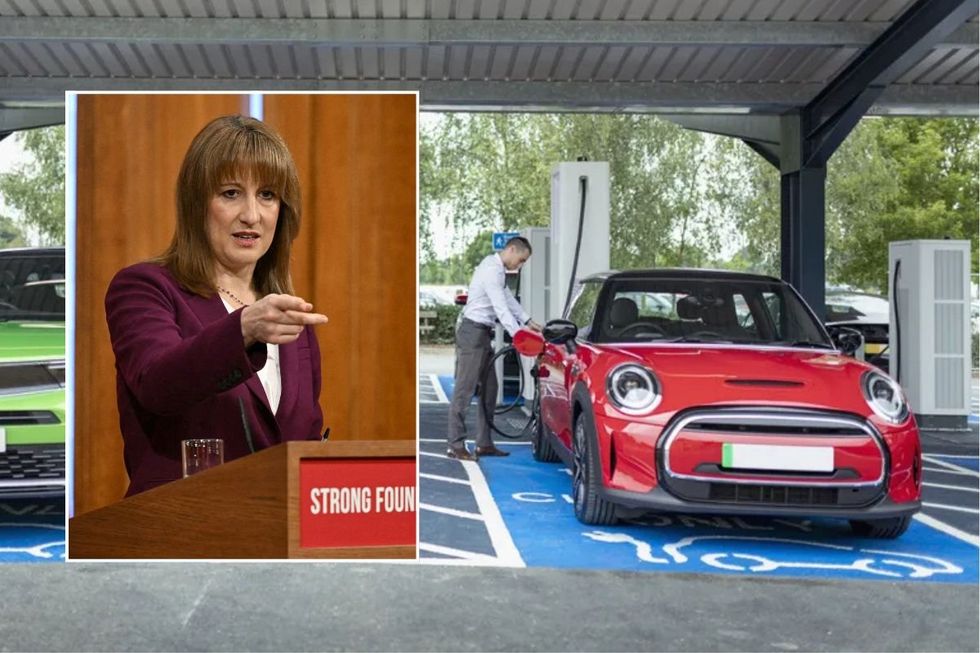
Rachel Reeves has been warned that electric vehicle sales could slump following pay-per-mile car taxes
| GETTYThe problem is expected to worsen as EV ownership increases and the ban on new petrol and diesel car sales takes effect in 2030.
While many existing EV owners charge at home or at work, millions of drivers depend entirely on public charging networks.
Treasury officials are now considering cutting VAT on public charging, which is currently set at 20 per cent, making it four times higher than the five per cent rate applied to home charging.
Experts have also been drafted in to review the complicated energy pricing rules governing public chargers. Standing charges have emerged as one of the biggest cost drivers. These fixed fees, which charging operators must pay regardless of usage, have soared dramatically.
One industry executive said costs at a single site jumped from under £100 a year to nearly £40,000 after changes to how standing charges were calculated.
LATEST DEVELOPMENTS
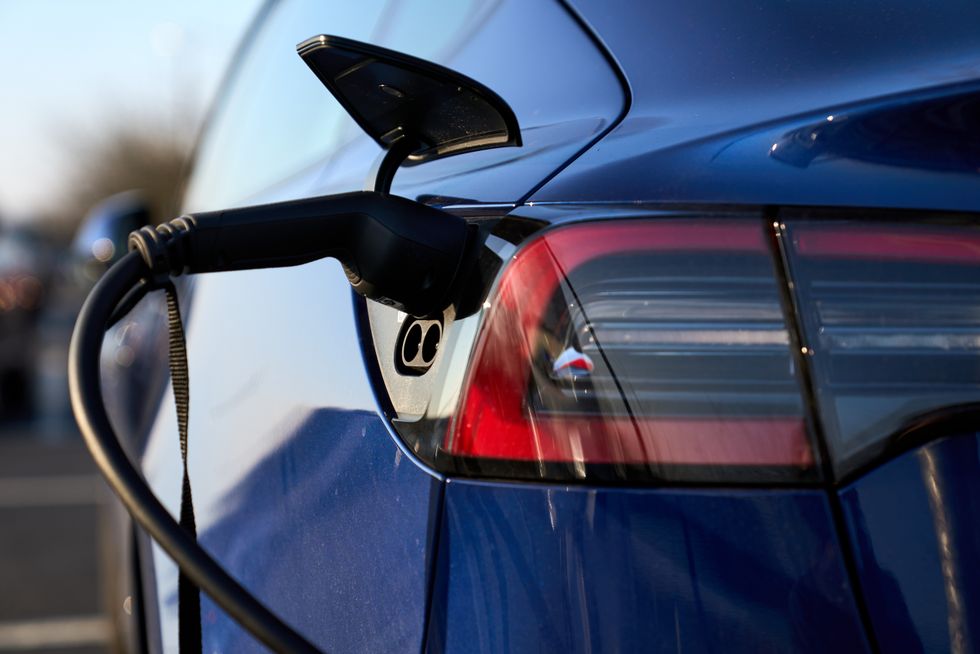 Only new zero emission vehicles will be on sale from 2035 | PA
"We're now at the point where standing charges make up more than half of the cost drivers are paying for electricity. Cutting them would bring down prices overnight," the executive said.
The pressure on the Chancellor has intensified after the Office for Budget Responsibility forecast that 440,000 fewer electric vehicles will be sold due to the tax, but noted that 320,000 of this will be offset by an increase in sales due to other Budget measures.
The levy is expected to add around £255 a year to the cost of running an electric car, while hybrid drivers would be hit with a 1.5p-per-mile charge from 2028.
At the same time, carmakers have been urging ministers to soften the Zero Emission Vehicle mandate, which requires manufacturers to ensure 33 per cent of new car sales this year are electric or face heavy fines.
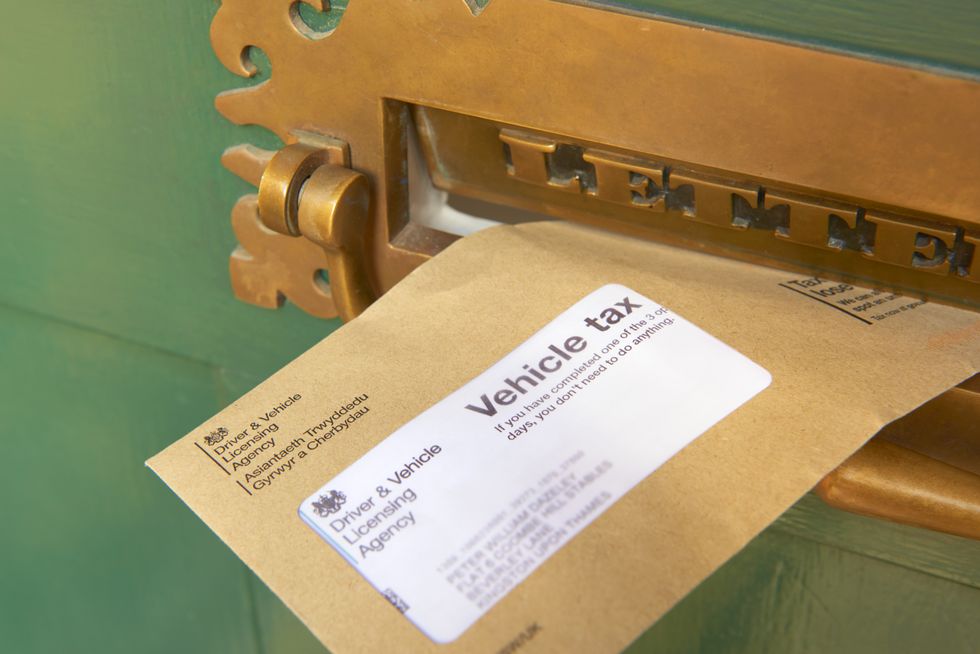 The new tax changes will see EV drivers pay 3p per mile and 1.5p per mile for plug-in hybrids | GETTY
Industry figures warned that the policy is causing serious disruption, particularly as the European Union begins to retreat from its own 2035 ban on petrol and diesel vehicles. A second Whitehall source confirmed that the Treasury now accepts the need for tax cuts to offset the impact of the new levy.
Government insiders believe any reduction in charging costs could ultimately pay for itself by boosting demand for British-built electric vehicles such as the Nissan Leaf, produced in Sunderland.
A Government spokesman said: "The Government is boosting the EV transition by saving drivers up to £3,750 off a new car, with almost 50,000 people benefitting already, and investing over £7.5billion into the UK electric vehicle sector."
The spokesman added that ministers are "reviewing the cost of public EV charging, which will look at the impact of energy prices, wider cost contributors and options for lowering these costs for consumers."