










Rachel Reeves's car tax changes are set to come into effect in just one week, which will see petrol, diesel and electric vehicle drivers slapped with new bills.
The changes to Vehicle Excise Duty were approved in the Autumn Budget, with the changes now increasing in line with inflation.
From next Wednesday (April 1), drivers will see their car tax rates increase by an average of £5, but depending on how polluting the vehicle is, this could increase by as much as £40.
The new rates, alongside the Middle East crisis, which has pushed the price of petrol and diesel fuel up rapidly, could be the final straw from driving.
This year alone, on top of car tax hikes, drivers also face impending fuel duty costs, with Labour axing the 5p per litre cut.
Announcing the decision, Ms Reeves said in November: "Under current plans, the temporary 5p cut to fuel duty that was introduced during the pandemic will come to an end in April, and fuel duty will be uprated in line with inflation.
"But I know that the cost of travelling to and from work is still too expensive, so I am extending the 5p cut until September 2026.
"And because I know that changes in wholesale prices are not always passed on to motorists, I am bringing in new rules to mandate petrol forecourts to share real-time prices through a new Fuel Finder, empowering drivers to find the cheapest fuel, calling out rip-offs and strengthening competition, saving the average household £40 a year."
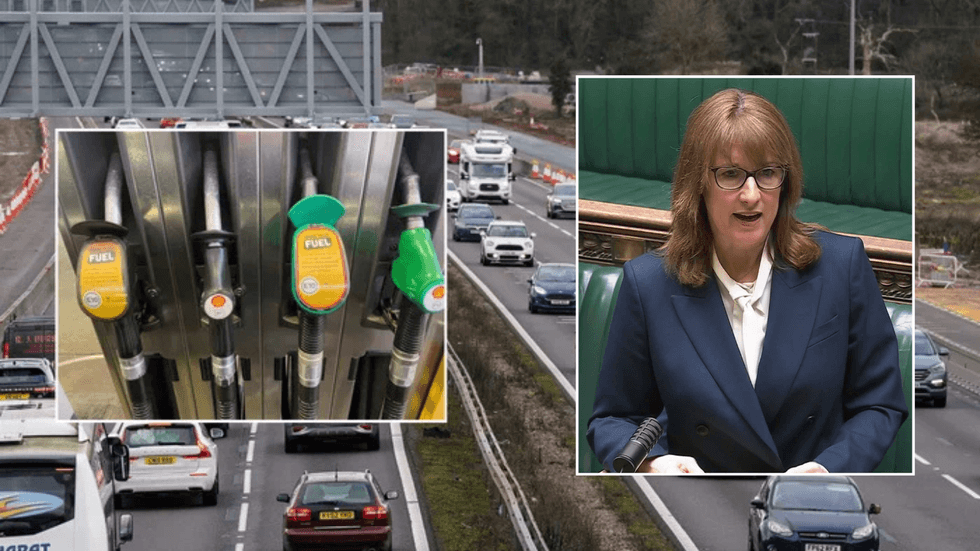
From next week, drivers will see Vehicle Excise Duty rates increase, adding more costs to driving
|PA/GETTY
While the freeze has kept prices relatively low for drivers, the uncertainty around the war in the Middle East has caused prices to skyrocket.
Imran Malek, corporate sales manager at TrackDays.co.uk, said: "The cost of motoring figures will be an eye-opener to many motorists.
"While the long-term data shows petrol and oil prices are volatile, they have risen far less than other motoring costs, not least motoring tax and car insurance, over the last decade."
He warned that overall, motoring costs have increased by nearly 60 per cent in the UK over the last 10 years.
LATEST DEVELOPMENTS
Other changes coming into effect on April 1 include plans to increase VED for Heavy Goods Vehicles, which could increase costs by more than £2,000 annually.
The changes will affect rigid trucks operating without trailers, articulated lorry cabs, rigid goods vehicles pulling trailers, vehicles carrying exceptional loads, and haulage vehicles excluding showman's vehicles.
Meanwhile, from April 1, HGV drivers will see the revised levy structure introduce tiered daily rates based on vehicle weight and emissions compliance.
Lorries meeting Euro 6 standards will soon pay between £3.22 and £9.67 per day, depending on their weight band, while older vehicles failing to meet these emissions requirements face higher charges ranging from £4.18 to £10.74 daily.
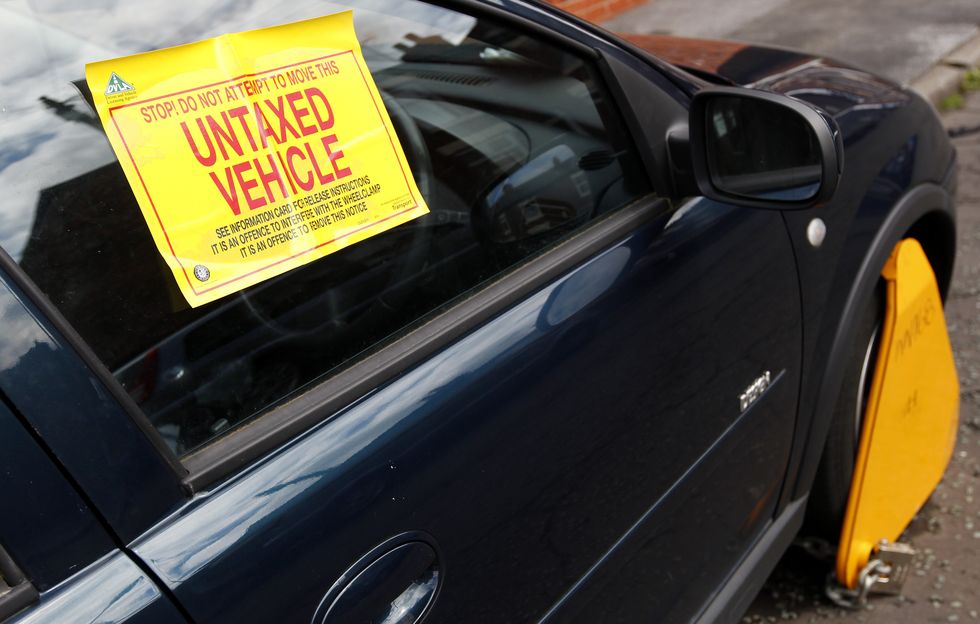 Car tax hikes will come into effect on April 1 | PA
New 2026-2027 car tax rates for vehicles registered between March 1, 2001, and April 1, 2017
Up to 100g/km - Remains at £20
Between 101 and 110g/km - Remains at £20
Between 111 and 120g/km - Remains at £35
Between 121 and 130g/km - Rising from £165 to £170
Between 131 and 140g/km - Rising from £195 to £200
Between 141 and 150g/km - Rising from £215 to £225
Between 151 and 165g/km - Rising from £265 to £275
Between 166 and 175g/km - Rising from £315 to £325
Between 176 and 185g/km - Rising from £345 to £360
Between 186 and 200g/km - Rising from £395 to £410
Between 201 and 225g/km - Rising from £430 to £445
Between 226 and 255g/km - Rising from £735 to £760
Over 255g/km - Rising from £750 to £790