








Experts have warned that the Chancellor's introduction of new pay-per-mile car taxes for electric cars could result in new petrol vehicles getting more expensive.
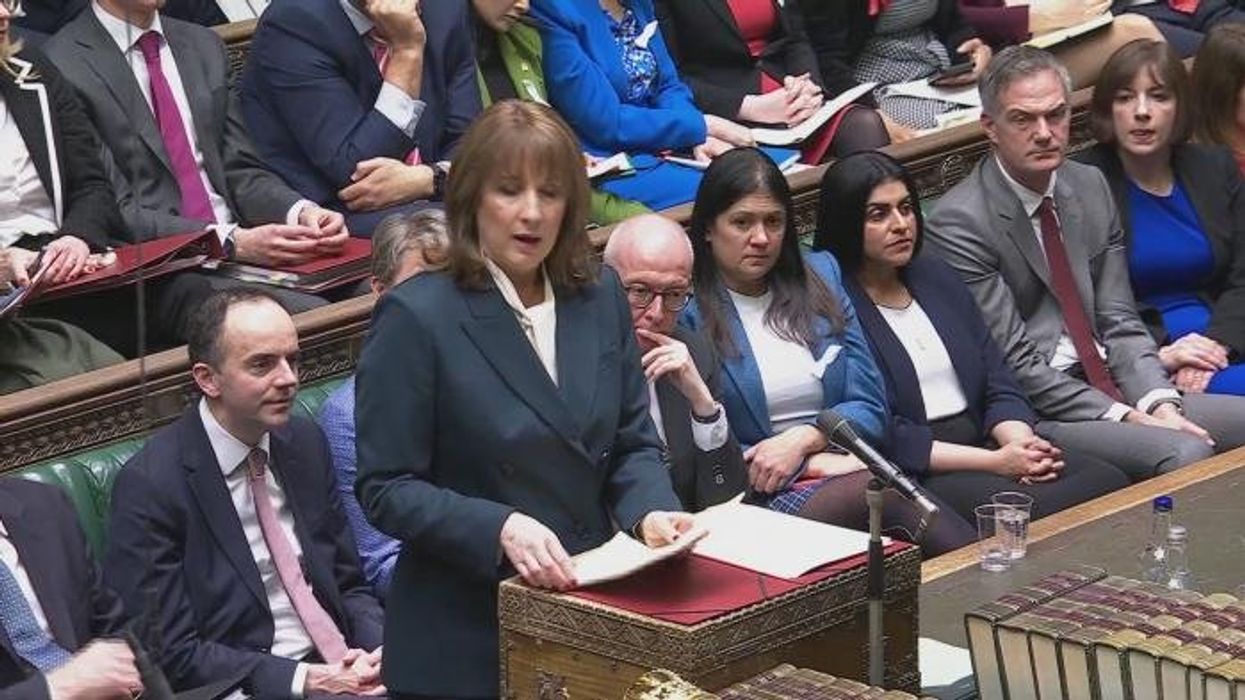
Chancellor Rachel Reeves announced the major expansion of motoring taxation, with millions of drivers set to face new car taxes in 2028 following a consultation.
The changes will result in electric car owners paying three pence per mile, while plug-in hybrid vehicle drivers will fork out 1.5p per mile.
The electric vehicle industry criticised the new plans, claiming that it would result in drivers turning their backs on new electric vehicles.
TRENDING
Stories
Videos
Your Say
This could put the Government's 2030 deadline to ban the sale of new petrol and diesel cars in danger, especially if motorists are put off by the additional costs.
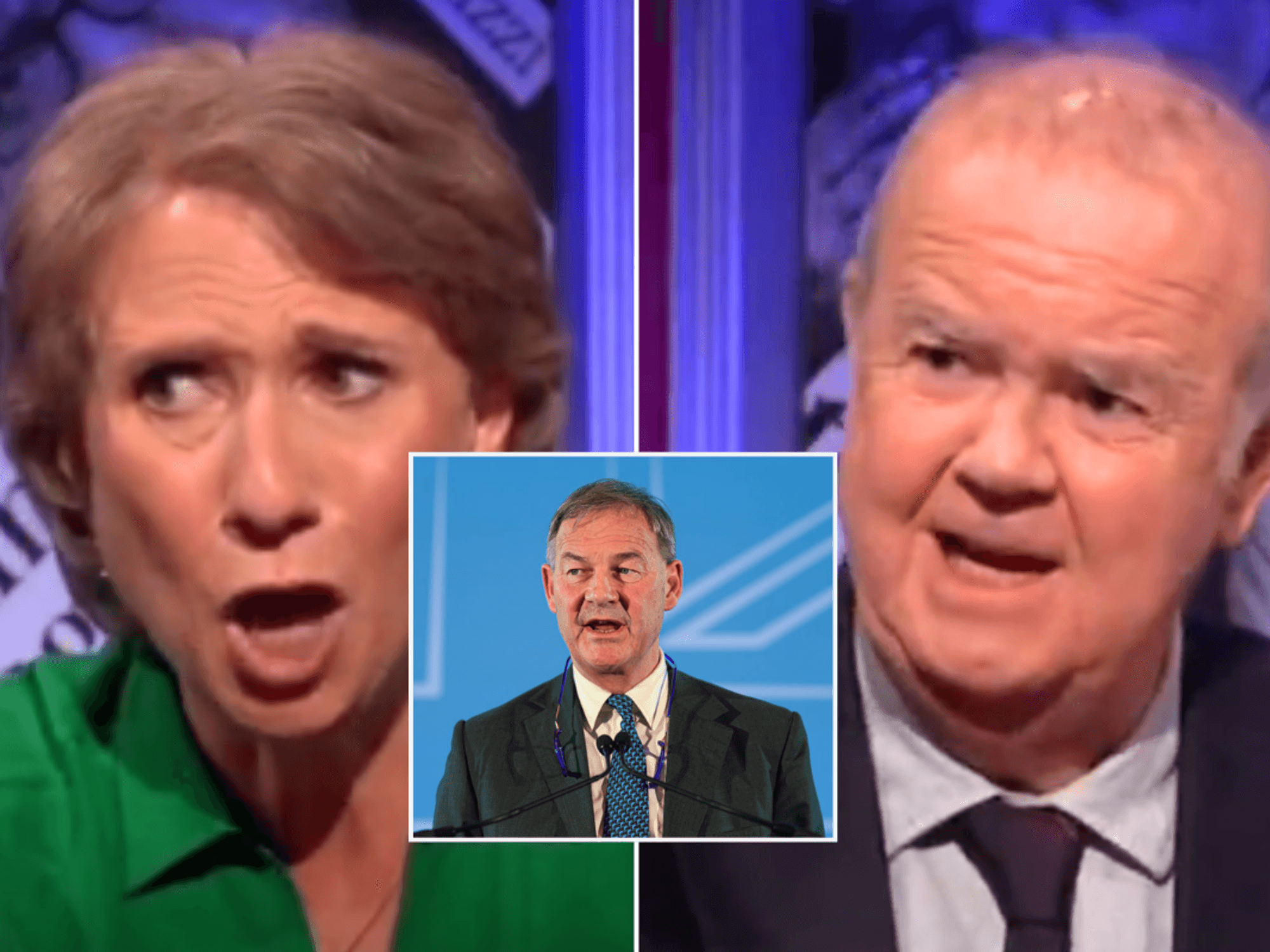
Robert Forrester, chief executive of Vertu Motors, has now warned that electric car sales could be impacted by the incoming taxes.
He stated that manufacturers could look to hike the price of their petrol and diesel models to recoup money if they discount the ticket price of electric vehicles.
Automakers will also need to take into account the impact of the Zero Emission Vehicle mandate, which requires brands to have a minimum percentage of sales come from electric vehicles.
READ MORE: Millions of drivers face Rachel Reeves' new pay-per-mile car taxes - How much will you be charged?
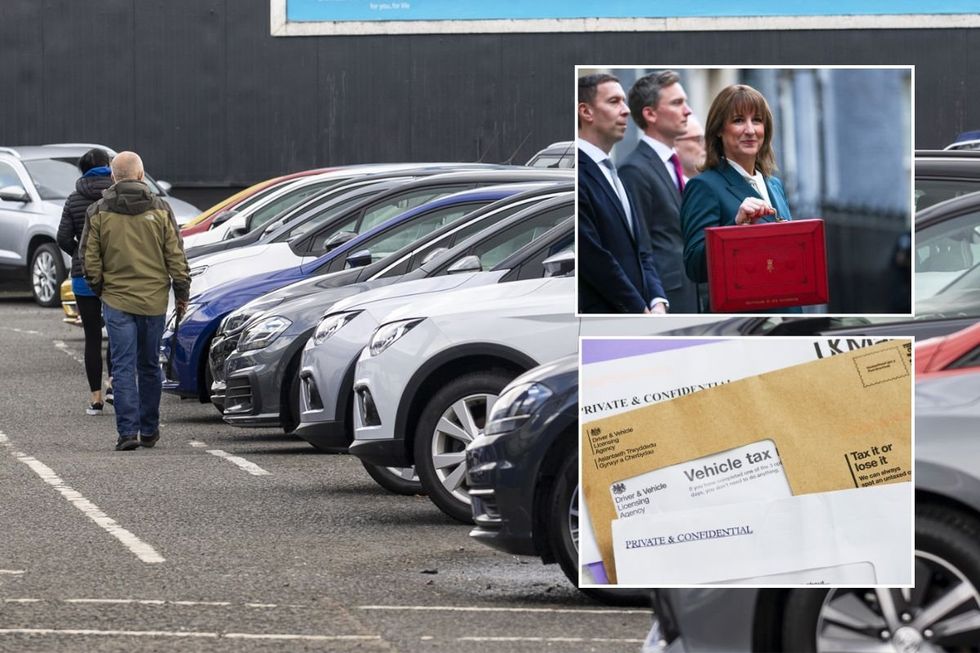
Chancellor Rachel Reeves introduced new pay-per-mile car taxes in the Autumn Budget
|GETTY/PA
The target for the end of this year is 28 per cent, with this rising annually until 2030 when it will hit 80 per cent.
Before reaching 100 per cent in 2035, only electric cars and some hybrids will remain on sale, as new internal combustion engine vehicles will be banned.
Mr Forrester warned that carmakers would be forced into rationing sales of new petrol and diesel vehicles to meet the quotas set by the ZEV mandate.
Speaking to The Telegraph, he said: "Before the Budget, the industry was already facing a very significant challenge to hit the ZEV mandate targets.
LATEST DEVELOPMENTS
"So the problem all along has been that you get into a rationing situation and, in a rationing situation, petrol and diesel car prices go up - they have to."
The pay-per-mile taxes are being introduced by the Government as it looks to plug the gap set to be left by waning receipts from fuel duty.
As more drivers switch to petrol and diesel cars, petrol and diesel will be purchased less, meaning Labour will see a significant drop in revenue from fuel duty over the next decade.
Chancellor Rachel Reeves introduced the new changes in the Budget, saying that drivers will be taxed "according to how much they drive and not just by the type of car they own".
The new tax changes will see EV drivers pay 3p per mile and 1.5p per mile for plug-in hybrids
| GETTYShe highlighted that all cars contribute to the wear and tear of Britain's roads, before confirming the new Electric Vehicle Excise Duty (eVED) scheme.
Figures suggest that the 3p charge for EVs and 1.5p mileage rate for plug-in hybrids will help the Government double the funding total for road maintenance in England over the course of this Parliament.
To help drivers and the wider industry adjust to the new rules, Chancellor Rachel Reeves pledged a further £1.5billion in funding for electric vehicles.
This includes £1.3billion for the Electric Car Grant to help motorists save up to £3,750 off the price of a new EV. A further £200million has been earmarked for the installation of EV chargers.