







Chancellor Rachel Reeves has come under fire for pledging to commit taxpayers to funding more than £3billion towards the Lower Thames Crossing, the UK's most expensive new highway ever built.
The funding was announced in the Autumn Budget last week, with the move now bringing total public investment in the 14-mile road and tunnel scheme to £3.1billion, with over £1.2billion already spent, according to Treasury officials.
Originally estimated at between £5.3billion and £6.8billion when first agreed in 2017, the project's price tag has now ballooned to almost £11billion.
The crossing will be the first entirely new route across the Thames east of London in six decades, connecting Kent and Essex.
Ms Reeves stated: "As we allocate investment for the infrastructure that is the backbone of economic growth across our country, today I will commit investment for the Lower Thames Crossing."
The scheme will draw primarily on private capital, with ministers aiming to attract approximately £7.5billion from investors, marking an increase from the £6.3billion figure National Highways outlined in March.
Government officials plan to begin sourcing private backers in the spring, with construction expected to commence next year.
The project is expected to open to traffic in the early 2030s, designed to ease congestion at the existing Dartford Crossing to its west.
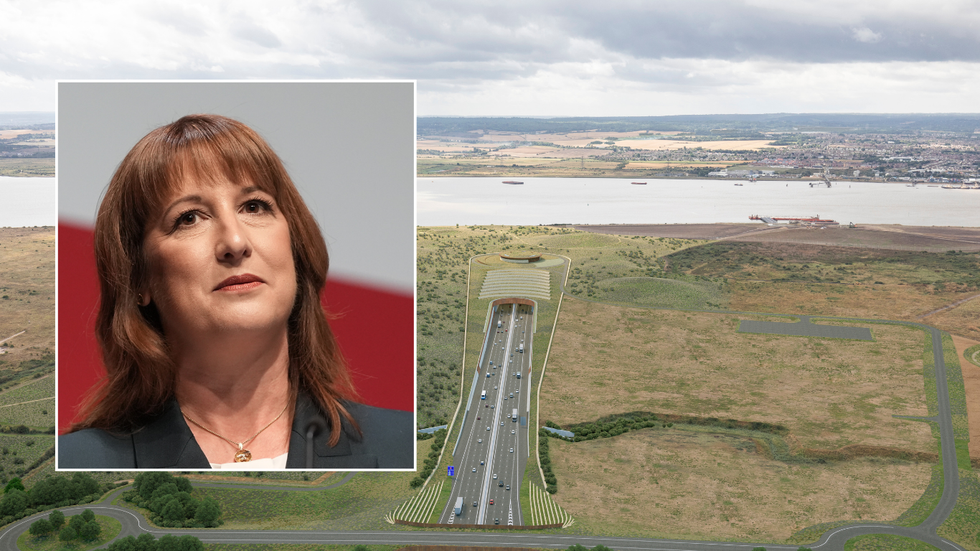
The Chancellor has pledged an additional £3billion in support for the Lower Thames Crossing project
|PA/NATIONAL HIGHWAYS
Michael Dnes, head of transport policy at consultancy Stonehaven, said the crossing would attract investment interest, though its appeal hinges on toll arrangements.
"Historically, almost every big bridge and tunnel in the UK has outpaced their traffic forecasts," he told the Financial Times.
Matt Palmer, executive director of the Lower Thames Crossing, said: "The funding from the Government gives us the green light to start building the Lower Thames Crossing next year and puts it on track to open in the early 2030s."
He added that local workers and businesses would construct the project, creating a lasting legacy of employment and skills across the region.
LATEST DEVELOPMENTS
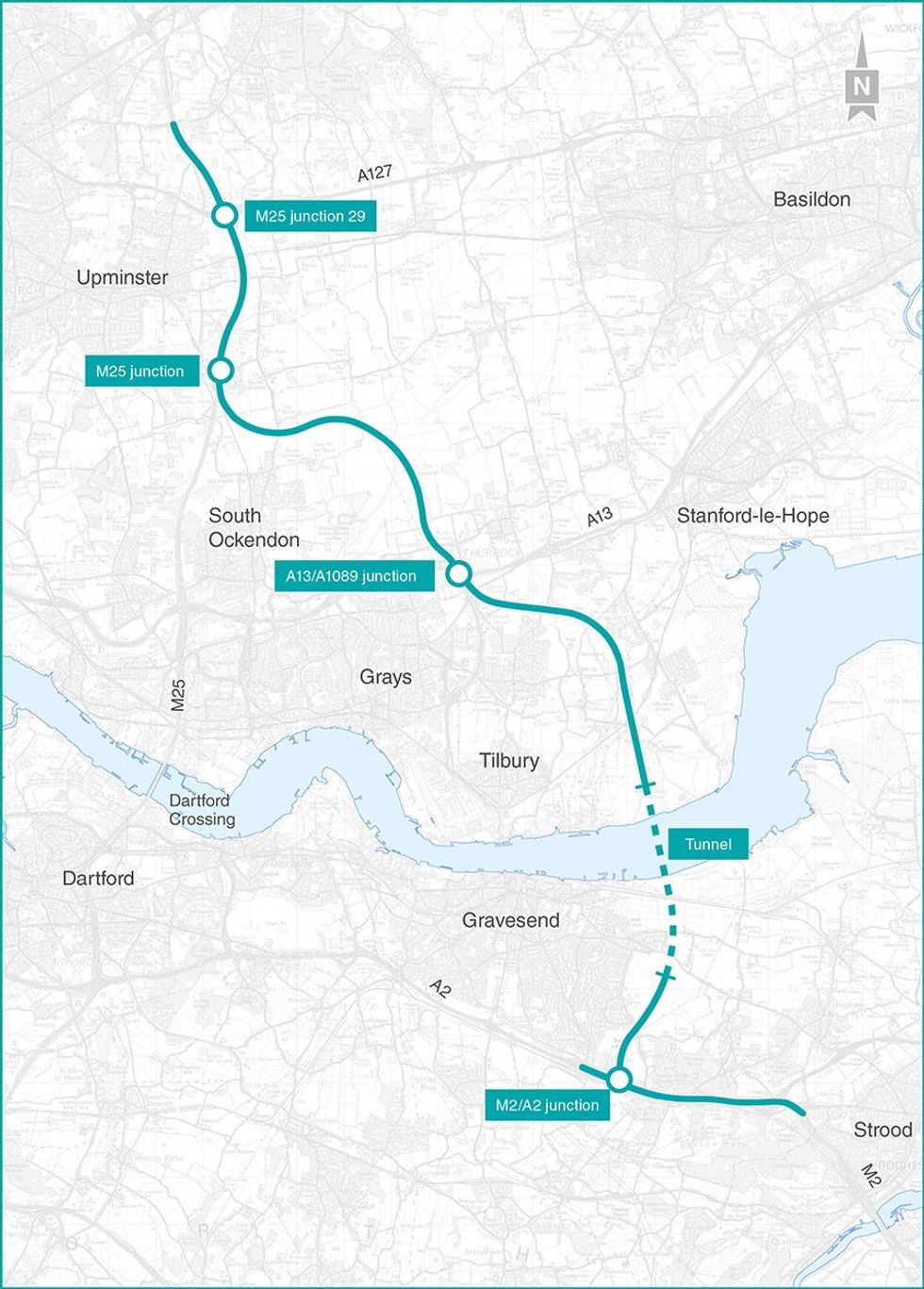
The Lower Thames Crossing road project is expected to cost around £11billion
| NATIONAL HIGHWAYSMr Palmer described it as the first of a new wave of schemes tackling congestion and boosting economic growth while pioneering low-carbon construction methods.
The Department for Transport declared the Crossing would deliver transformational benefits nationwide, reducing traffic jams and stimulating growth by linking ports with commercial centres.
Unlike other privately financed road schemes such as London's recently opened Silvertown Tunnel, which operates on fixed-term concessions, the Lower Thames Crossing will remain privately owned and operated indefinitely.
Previous Thames crossings have proven lucrative for investors. The Dartford Crossing, delivered through a 20-year private finance initiative from 1989, repaid its backers in just 14 years.
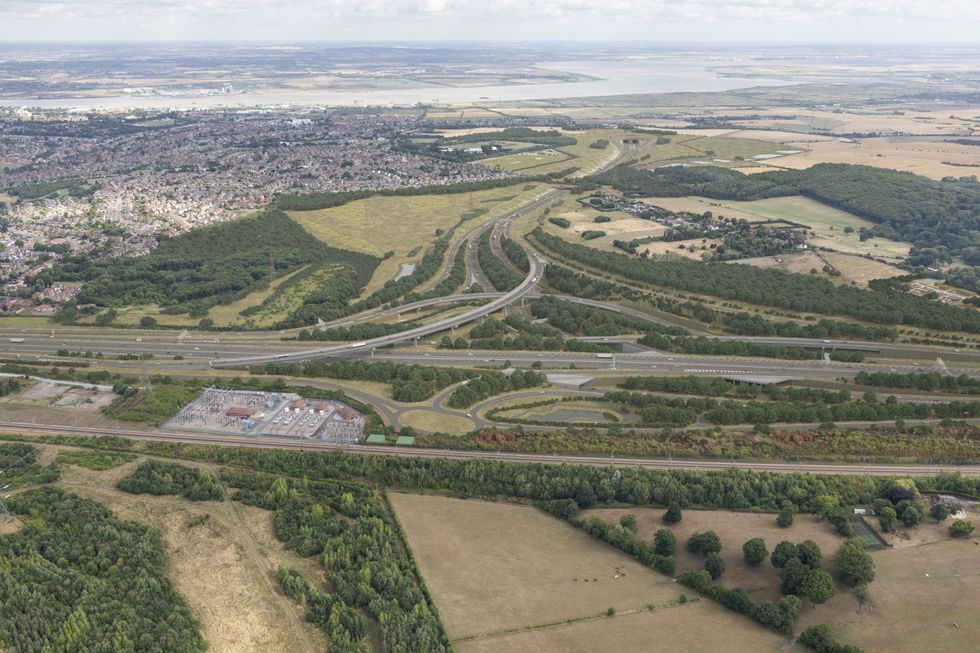 The Lower Thames Crossing would connect to the A2 and M2 in Kent | NATIONAL HIGHWAYS
Since 2009, a consortium including Equitix, Dalmore Capital and Balfour Beatty has operated the Dartford route under a 30-year contract, with reports that some of these investors could potentially participate in the new crossing.
The Lower Thames Crossing forms part of a broader Budget transport package that includes the largest ever investment in local roads.
Councils across England will share £7.3billion for road maintenance, with the Chancellor doubling annual funding by the end of this Parliament.
More than £500million annually will be conditional on local authorities publishing pothole repair data on their websites.