









Rachel Reeves has increased the tax-free mileage allowance for drivers by 10p in a historic move aimed at supporting workers across the UK.
Speaking in the House of Commons, the Chancellor today said the change comes after approved mileage allowance payment rates have not changed since 2011, despite motoring costs evolving significantly.
Under the current HMRC system, workers can claim 45p per mile for the first 10,000 business miles travelled each year and 25p per mile after that threshold.
But in a bid to support millions of drivers who claim motoring expenses from their employer, they will now see approved mileage rates increased.
The new rates follow changes to fuel duty announced this week, which will no longer rise in September in line with inflation, but instead be extended until 2027.
Ms Reeves said: "I can today announce a 10p per mile increase in tax-free mileage rates backdated to April 2026, benefiting those who drive to work.
"This comes on top of support we've already put in place, including freezing fuel duty, taking £117 off energy bills, freezing prescriptions, fuel duty and rail fares."
The Chancellor explained the new rates will save around £120 for a worker doing 6,000 business miles using their own vehicle for work.
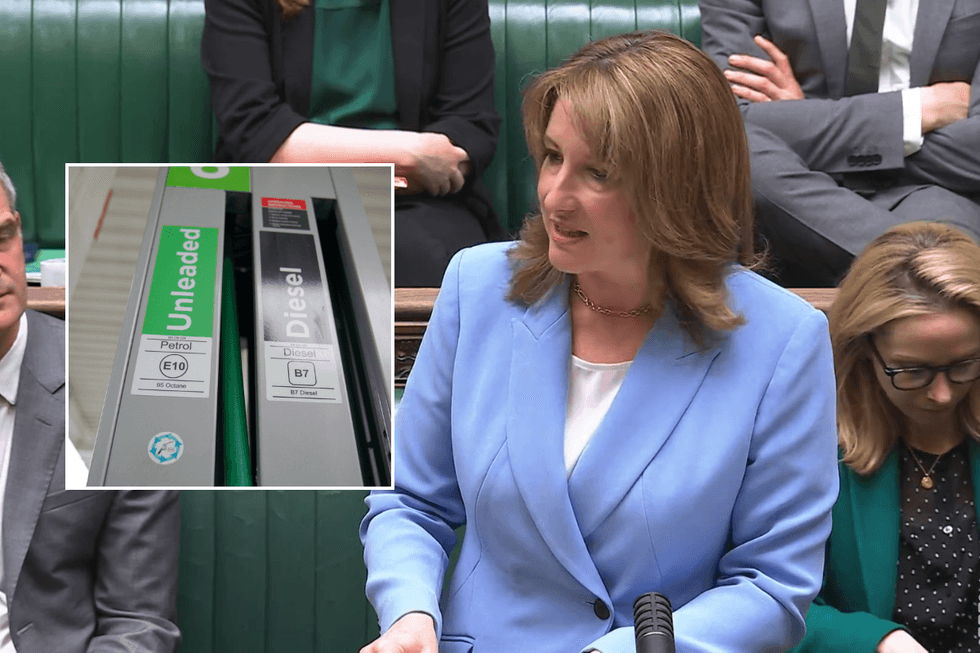
The Chancellor announced a 10p increase in mileage allowances
|PARLIAMENT UK/ GETTY
Ms Reeves added: "We are able to do this because we have made the right choices, resulting in the UK having the fastest-growing economy in the G7, with inflation going down.
"I know the cost of living is still a number one concern for households. Our economic plan is the right one, supporting families and businesses and building a stronger and more secure Britain."
Mileage rates are intended to cover the everyday running costs of using a personal vehicle for work, including fuel, servicing, repairs, insurance, road tax and depreciation. The rates apply when employees use their own cars for business journeys rather than commuting to and from their normal workplace.
If an employer pays less than the approved HMRC mileage rate, workers can usually claim tax relief on the difference. For example, if an employer pays only 35p per mile while HMRC allows 45p, the employee may be able to claim tax relief on the missing 10p.
LATEST DEVELOPMENTS
 The advisory fuel rate is monitored by HMRC and changes every three months | PA
The mileage changes come alongside updated fuel benefit figures for company cars and vans, which came into effect in April.
The car fuel benefit multiplier, which is used to calculate tax charges on free private fuel provided through company cars, will rise to £29,200 for the 2026-27 tax year, up from £28,200 in 2025-26. Van fuel benefit charges will also increase from £769 to £798.
Meanwhile, the taxable benefit charge for company vans will rise to £4,170 for the 2026/27 tax year, up from £4,020 previously.
The Treasury said the changes form part of Labour's wider effort to support households while remaining within its fiscal rules.
 The Government updates the advisory fuel rates every three months | GETTY
Ms Reeves insisted the Government was taking a "targeted and responsible approach" to helping with the cost of living.
The mileage announcement was included in Labour's wider "Great British Summer Savings" package, which also introduced temporary VAT cuts on family activities during the school holidays.
The Chancellor also pointed to other measures introduced by the Government, including freezing rail fares and prescription charges.
Our Standards: The GB News Editorial Charter