










Powering cars with alternative fuels is 79 per cent more expensive than using an electric vehicle, according to new data, as drivers seek major cost savings.
Fresh research shows that using advanced biofuels in vehicles is 79 per cent more expensive, on average, than charging an electric car.
This is despite many experts and manufacturers calling for the use of biofuels to bridge the gap between internal combustion engines and electric vehicles.
Officials from the European Union have touted the use of biofuels as helping the bloc achieve net zero without fully phasing out the sale of cars with combustion engines.
TRENDING
Stories
Videos
Your Say
Transport & Environment found that charging an electric vehicle costs an average of €7 (£6.07) per 100 kilometres driven in the European Union.
In comparison, using pure hydrotreated vegetable oil (HVO) would cost €13 (£11.28) to cover the same distance.
The EU announced in December last year that it would axe its goal of banning petrol and diesel sales from 2035, replacing it with a 90 per cent tailpipe emissions reduction target "from 2035 onwards".
It confirmed that the remaining 10 per cent of emissions would need to be compensated through the use of low-carbon steel "Made in the Union", or from biofuels.

Data shows that using biofuels is far more expensive than charging an electric car
|GETTY
The bloc explained that this would allow for hybrids and ICE vehicles to play a role beyond the initial deadline to ban the vehicles.
This was supported by Wopke Hoekstra, Commissioner for Climate, Net Zero and Clean Growth, who said the EU was doing what's best for "our climate, competitiveness and independence".
He said: "We are introducing flexibilities for manufacturers, and in turn this will have to be compensated with low-carbon steel and the use of sustainable fuels to drive down emissions."
Germany and Italy were the biggest backers of the introduction of e-fuels and biofuels to have a greater place in the motoring industry over the coming decades.
LATEST DEVELOPMENTS
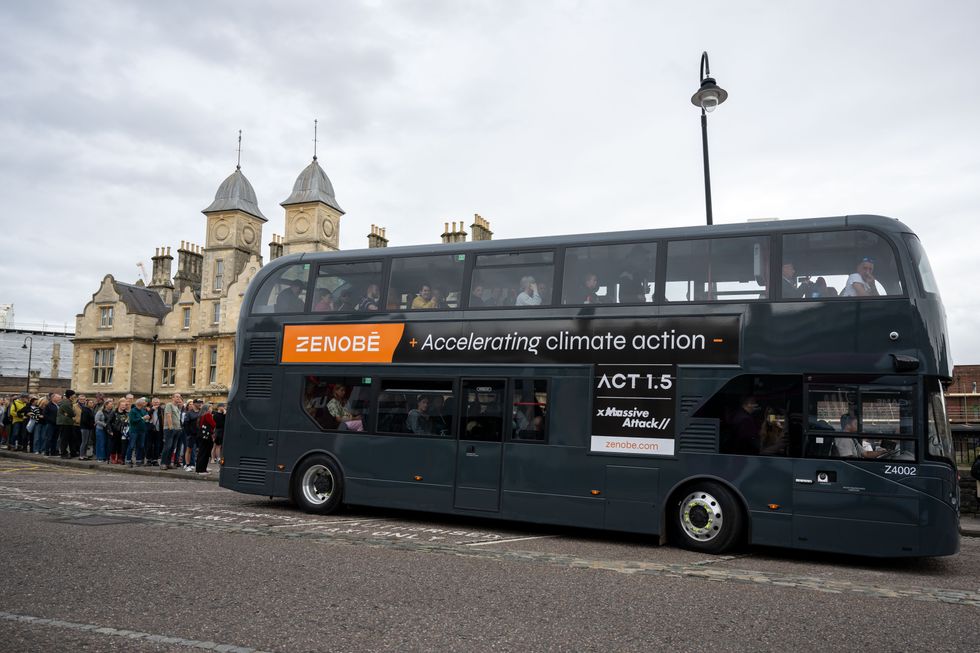
The use of HVO has become far more common in recent years
| GETTYManufacturers in the two nations have struggled to adapt to the transition to electric vehicles, especially as Chinese manufacturers make headway in Europe.
Transport & Environment warned that there are "not enough" advanced biofuels to go around, with the car, aviation and shipping industries requiring between two and nine times the amount of biofuel that can be sustainably sourced in 2050.
Analysis showed that the average battery electric vehicle is less expensive than the lowest petrol and diesel prices across the continent, in Bulgaria and Malta, respectively.
It added that drivers could be pushed towards buying more expensive biofuels, given the limited amount of HVO available.
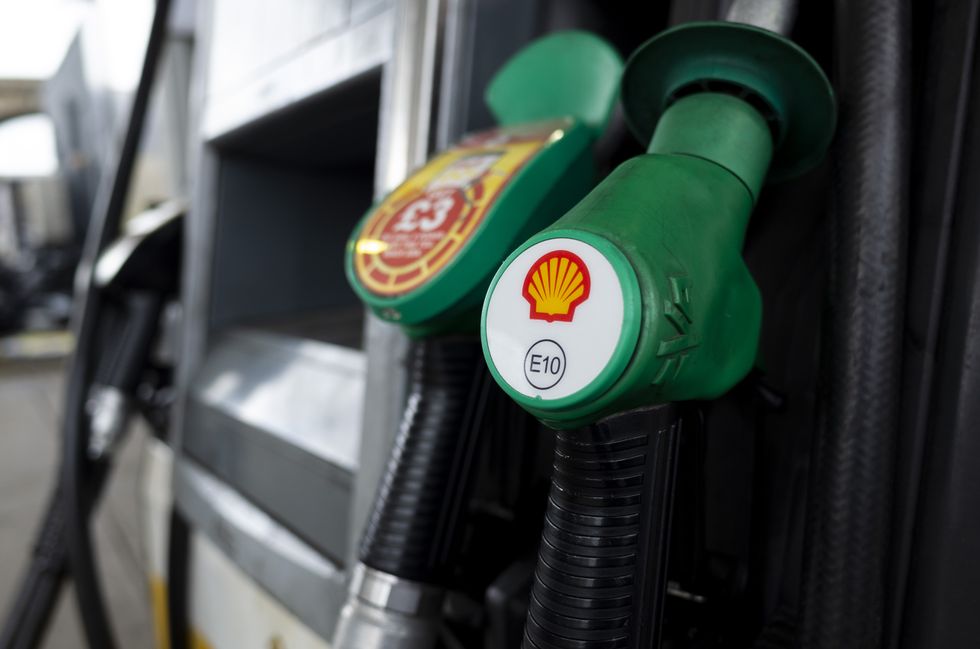
Petrol and diesel prices remain more expensive than charging an electric vehicle
| GETTYOther biofuel technologies, including waste gasification and advanced cellulosic ethanol flex-fuel, could be between 80 and 110 per cent more expensive than driving an EV.
Émilie Casteignau Bernardini, vehicles policy manager at T&E, said: "Charging an EV is far cheaper than filling up a tank on advanced biofuels.
"By promoting biofuels for cars, the car industry wants to leave drivers with the bill while it delays electrification.
"On the contrary, maintaining the EU targets will ensure an increasing supply of more affordable EVs and avoid expensive diversions into HVO and other biofuels that cannot be scaled sustainably."