










Surrey could become the first region outside of London and Scotland to bring in new traffic rules, which would slap drivers with hefty fines under new proposals.
Tandridge District Council has been considering introducing a Public Space Protection Order, which would see drivers banned from parking on the pavement.
Drivers in the area have been consistently parking inconsiderately, creating an "obvious danger" for pedestrians who have had no choice but to avoid the pavement as a result.
The council has now considered obtaining new legal powers which could see drivers issued £100 fines for pavement parking.
TRENDING
Stories
Videos
Your Say
Currently, pavement parking is illegal across London and in parts of Scotland. However, under new proposals announced by the Government last week, these powers could be extended nationwide across England and Wales.
Local Transport Minister Lilian Greenwood said: "Clear pavements are essential for people to move around safely and independently, whether that's a parent with a pushchair, someone using a wheelchair, or a blind or partially sighted person.
"That's why we're giving local authorities the power to crack down on problem pavement parking, allowing more people to travel easily and safely and get to where they need to go."
Several councils have already started preparing to introduce new enforcement measures, with Hampshire County Council also set to implement enforcement.
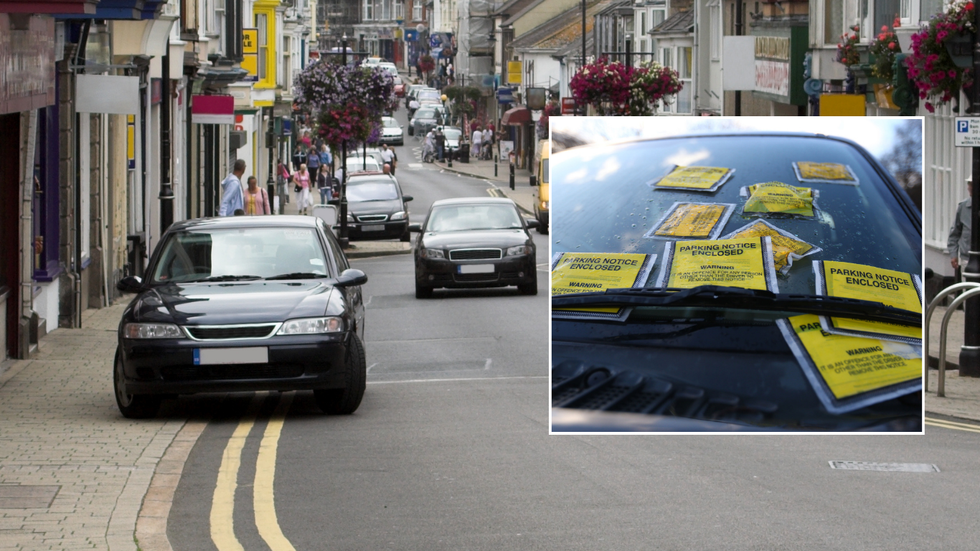 Drivers can be fined for parking on the pavement under the new rules | GETTY
Councillor Nick Adams-King shared: "Pavement parking is one of the issues I hear about regularly - and for good reason. When cars block pavements, it isn't just inconvenient.
"It can be dangerous and deeply unfair to people who rely on clear, safe routes: wheelchair users, those with sight loss, older residents, and parents with buggies and prams. It also damages our verges and leaves some communities looking uncared for."
"The Government has now confirmed that new legislation is on the way to give councils like Hampshire County Council far greater control over pavement parking. This is something I've long argued for, and I welcome the change," the Conservative councillor for Romsey Rural added.
LATEST DEVELOPMENTS
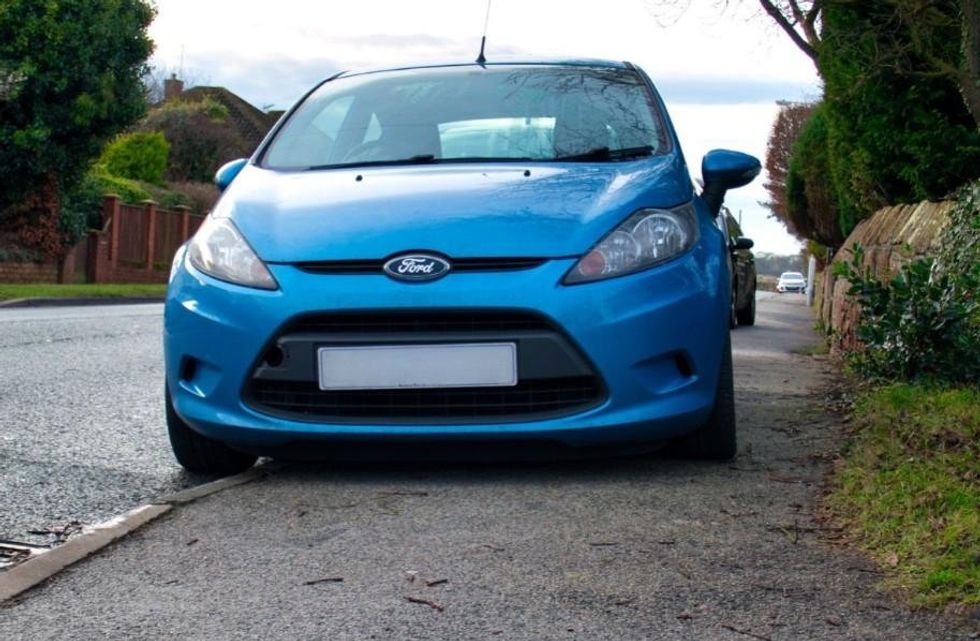
Under the powers, councils will be able to enforce pavement parking later this year
| BRACKNELL FOREST COUNCILMeanwhile, Oxfordshire County Council also plans to enforce pavement parking when it is officially granted powers by the Government.
Councillor Andrew Gant said the authority "very much supports the introduction of tougher restrictions on pavement parking as this is something we have actively looked to enforce in Oxfordshire for some time".
He explained that earlier this year, the council wrote to the Government about obtaining new powers to help tackle the growing problem.
Councillor Susanna Pressel added that while the new rules would make a difference for pedestrians, there is the consideration that some streets, which are too narrow, would not be able to accommodate the change.
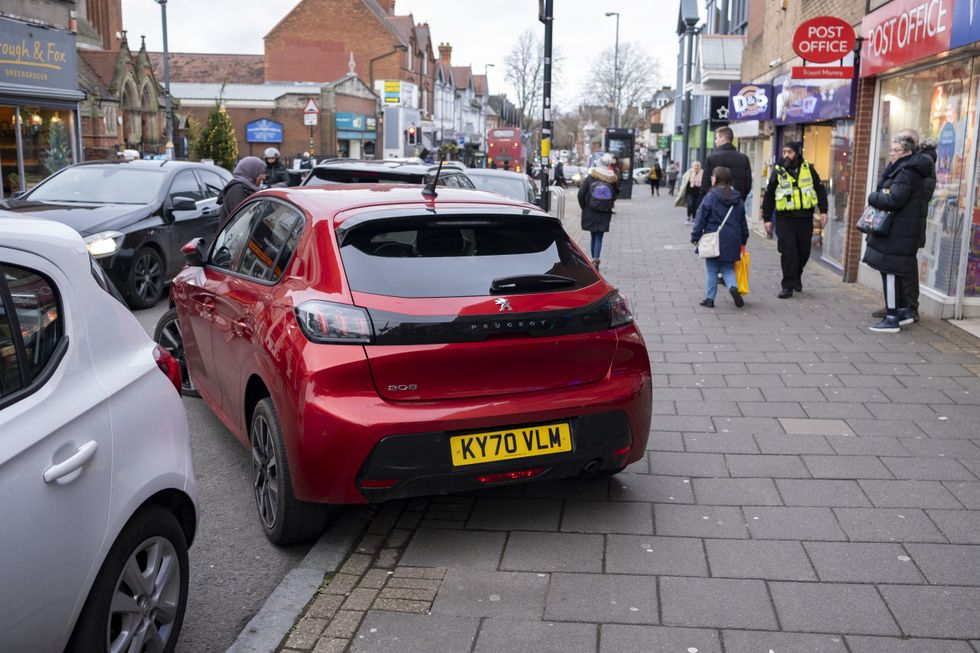
Pavement parking is currently only illegal in London and across Scotland
| GETTY"The reason I'm hopeful is that bus services are improving in the city, cycling is getting safer, people are getting fitter, many people are choosing to buy an e-bike instead of a new car, or they are choosing to join a car club instead of buying a car," she said.
Ms Greenwood explained how the new powers would provide a practical and proportionate interim solution, allowing councils to act where pavement parking is present.
She shared: "This power will sit alongside existing Traffic Regulation Order powers, enabling councils to enforce pavement parking restrictions both where TROs are in place and in other areas where obstruction occurs."
The Department for Transport confirmed that it would release guidance on the new rules later this year.