










Oxford's temporary congestion charge has driven a rapid increase in bus passenger numbers since the scheme began, as more drivers switch to using public transport.
Since the congestion charge began on October 29, the number of bus journeys has increased by eight per cent, prompted by drivers refusing to pay the daily charge.
According to figures from Go Ahead, the transport group, which operates six local bus companies including Oxford Bus Company and Thames Travel, recorded the year-on-year increase across its network following the introduction of the £5 daily charge for cars.
Oxfordshire County Council implemented the temporary measure at six locations throughout the city to ease traffic while Botley Road remains closed and the planned traffic filters trial faces delays.
TRENDING
Stories
Videos
Your Say
The passenger data demonstrated notable growth in both park and ride services and regular bus routes connecting Oxford with surrounding towns.
The growth breaks down into distinct patterns, with park and ride services accounting for roughly a third of the additional passengers.
The remaining two-thirds of new travellers opted for standard bus routes rather than park and ride options, the data revealed.
Services linking Oxford to neighbouring communities have performed particularly well, with routes from Didcot, Abingdon and Wallingford experiencing substantial upticks in ridership.
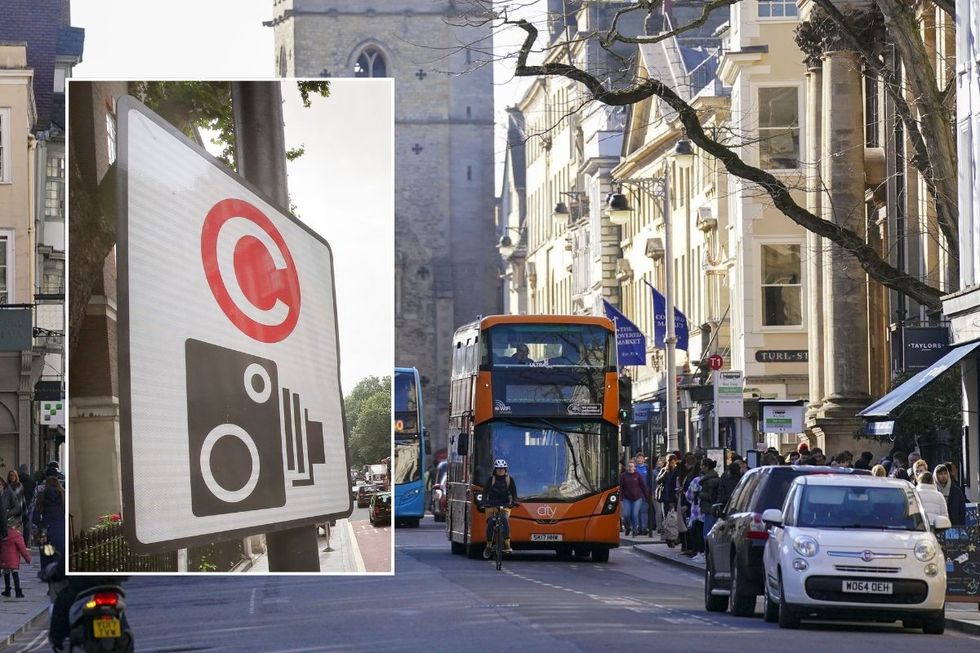 Oxford's congestion charge has caused drivers to avoid the area and use public transport | PA
This distribution suggested commuters and residents from towns across Oxfordshire are increasingly choosing public transport over driving into the city centre.
The shift towards regular bus services indicates the congestion charge is influencing travel behaviour beyond just those using dedicated park and ride facilities on the city's outskirts.
Motorists without permits face a £5 daily fee to pass through any of the six charging points, though they can traverse multiple locations within a single day for that flat rate.
Four sites operate between 7am and 7pm daily, including Hythe Bridge Street, St Cross Road, St Clement's Street and Thames Street. Marston Ferry Road and Hollow Way run on a different schedule, charging only Monday to Saturday during peak hours of 7am to 9am and 3pm to 6pm.
LATEST DEVELOPMENTS
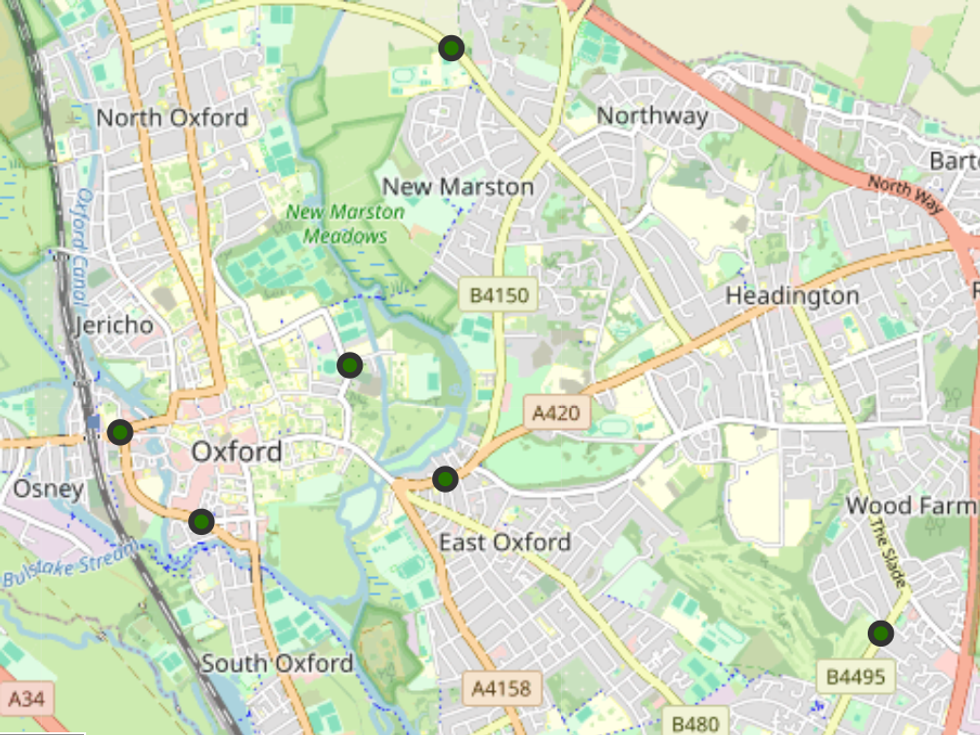 The six streets marked in green will be part of Oxford's congestion charge scheme | OXFORDSHIRE COUNTY COUNCIL
 The council designed the scheme specifically to manage congestion during the ongoing Botley Road closure, which has prevented the authority from launching its traffic filters trial.
Officials anticipate the temporary charge will remain operational until Botley Road reopens and the filters trial commences, currently expected in August later this year.
Councillor Andrew Gant said: "It's wonderful to see this increase in bus use, which is in large part due to our temporary congestion charge in the city, making it possible for bus operators to improve and extend services."
He added that the scheme forms part of the council's broader efforts to enhance transport options across local communities, with free park and ride travel and expanded services making buses an increasingly attractive choice.
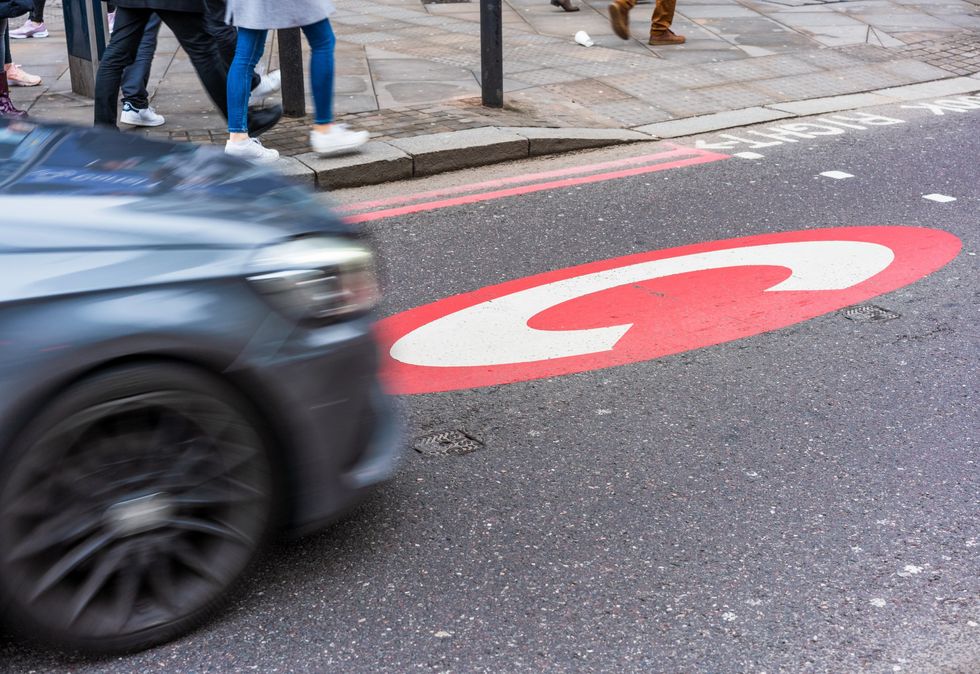
Oxfordshire County Council introduced the temporary congestion charge in October last year
| GETTYLuke Marion, managing director of Oxford Bus Company, said: "The reductions in congestion that have been delivered by the congestion charge scheme, and the free park and ride travel promotion that it funds, have helped buses run more quickly in the city, meaning we can offer customers faster journeys and also use buses that were previously stuck in congestion to provide extra services for the community."
The council offers various permit categories allowing free passage through the charging points, covering residents, traders, carers and Blue Badge holders.
Monitoring data between November and January has now been published, though some datasets remain unavailable as the authority continues tracking the scheme's effects.
The council has indicated it will keep observing the scheme's impacts as residents, visitors, and businesses continue adapting to the new arrangements, with collected data building a fuller picture over time.