










Drivers have been warned they could face new safety rules, which would make advanced safety technology mandatory in all new vehicles.
The move forms part of the new Road Safety Strategy and would align the UK with existing rules in the EU, where its General Safety Regulation requires new vehicles to include features such as intelligent speed assistance, autonomous emergency braking, and driver drowsiness and attention warning.
While the move looks to improve road safety, experts warned it may miss one of the most vulnerable groups on the roads, young drivers.
According to experts, the systems have been designed to prevent accidents, reduce the severity of collisions, and keep road users safe.
TRENDING
Stories
Videos
Your Say
Vehicle safety technologies work by targeting human errors, like distracted driving or speeding, which were found to be major causes of accidents, experts explained.
Active safety systems can help prevent crashes, including automatic braking for vehicles, pedestrians, and cyclists, and lane-keeping assistance.
Passive safety measures, like stronger vehicle structures and improved crash testing, aim to reduce injuries if a collision happens.
Other systems, such as blind-spot detection and better visibility for bus and truck drivers, help identify people on the road and prevent accidents.
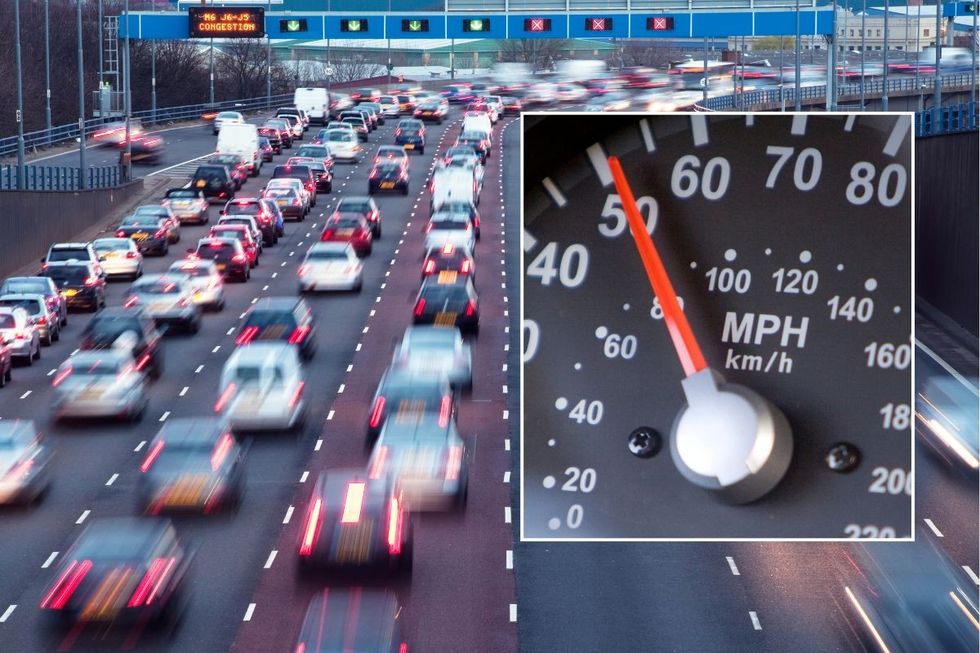
The Government hopes that introducing more in-car technology will reduce road fatalities in the UK
| GETTYSimon Lightwood, Minister for Roads and Buses, explained how the Government remained committed to making roads safer for everyone, including drivers, passengers, pedestrians, motorcyclists and cyclists.
The consultation will run until March 31, with the department urging drivers to ensure their responses are registered before the closing date.
The Transport Minister shared: "This Government is committed to making our roads safer for everyone: drivers, passengers, pedestrians, motorcyclists, cyclists and all who share our streets.
"By mandating the latest proven safety features in new vehicles, we can help ensure that the benefits of innovative technology are realised in Great Britain, supporting not only public safety but also the continued growth and competitiveness of our automotive sector."
LATEST DEVELOPMENTS
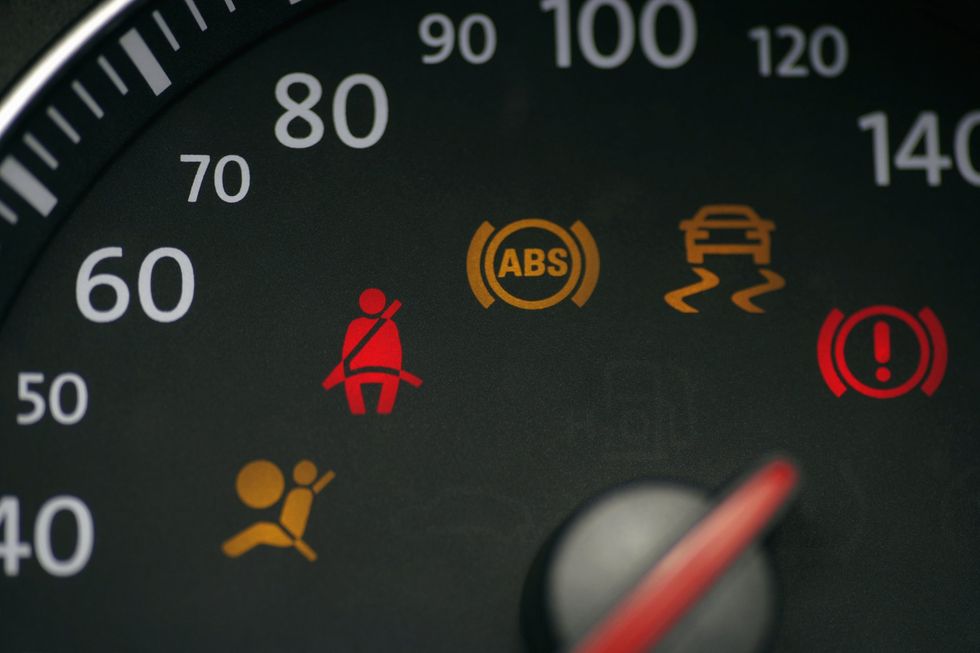
The consultation will look at mandating the use of vehicle safety features in the UK
|GETTY
However, experts warned that young drivers may not benefit from the overhaul if they drive older cars. Many Gen Z and Millennial drivers do not own new vehicles with the latest safety systems.
Data showed young drivers face high risks, with 15 per cent of Gen Z and 22 per cent of Millennials feeling stressed, anxious, or overwhelmed every day while driving, compared with five per cent of Generation X and three per cent of Baby Boomers.
Meanwhile, 61 per cent of Gen Z and 65 per cent of Millennials admitted to experiencing road rage, compared with 32 per cent of Generation X and 16 per cent of Baby Boomers.
Sean Morris, COO at OOONO, said: "These systems have a proven record of reducing accidents. Intelligent Speed Assistance can stop speeding-related collisions before they happen, and Autonomous Emergency Braking can prevent crashes.
 European vehicles must include Intelligent Speed Assistance systems | GETTY
"Making these features standard on all new cars is a big step for road safety in the UK. Technology alone cannot solve these problems.
"Younger drivers are more likely to be distracted, stressed, or inexperienced. We need a broader approach that combines technology with education and awareness."
The safety features being considered hope to prevent accidents, reduce injuries, and even help the environment by lowering fuel use and emissions.
Mike Skyte, former Senior Publishing Manager at Autocar, added: "Safety systems only work if drivers use them correctly. Alerts ignored or features switched off have no effect. Education and well-designed technology are just as important as regulation, especially for young drivers."