










Labour has unveiled major reforms to outdated driving and licensing laws governing taxis and private hire vehicles, admitting parts of the system date back nearly 200 years.
The Government revealed the current rules are no longer fit for modern Britain and has launched plans to overhaul taxi and private hire licensing across England.
Local Transport Minister Lillian Greenwood told MPs that the legal framework regulating taxis was "archaic and fragmented", with key legislation dating as far back as 1847.
She said the system has been patched up over decades without proper reform, describing it as a series of temporary fixes, with the Government now launching a consultation to target change.
READ MORE: Driving law changes prompted by grooming gang fears will have huge impact on taxis across UK
TRENDING
Stories
Videos
Your Say
"We have a decent functioning taxi and PHV sector, but it's despite the legislation rather than really because of it," Ms Greenwood said.
The Minister confirmed there is broad agreement that the system needs a full reset, pointing to earlier work by the Law Commission and a Government task group that examined long-standing problems in the sector.
Labour explained how safety and accessibility will be at the heart of the reforms. Under the proposals, the Government hopes to introduce national minimum standards that would apply across the country, focusing on passenger protection and safeguarding.
Ms Greenwood said one key change would be mandatory enhanced DBS checks for all taxi and private hire drivers, alongside checks against adult and children's barring lists.
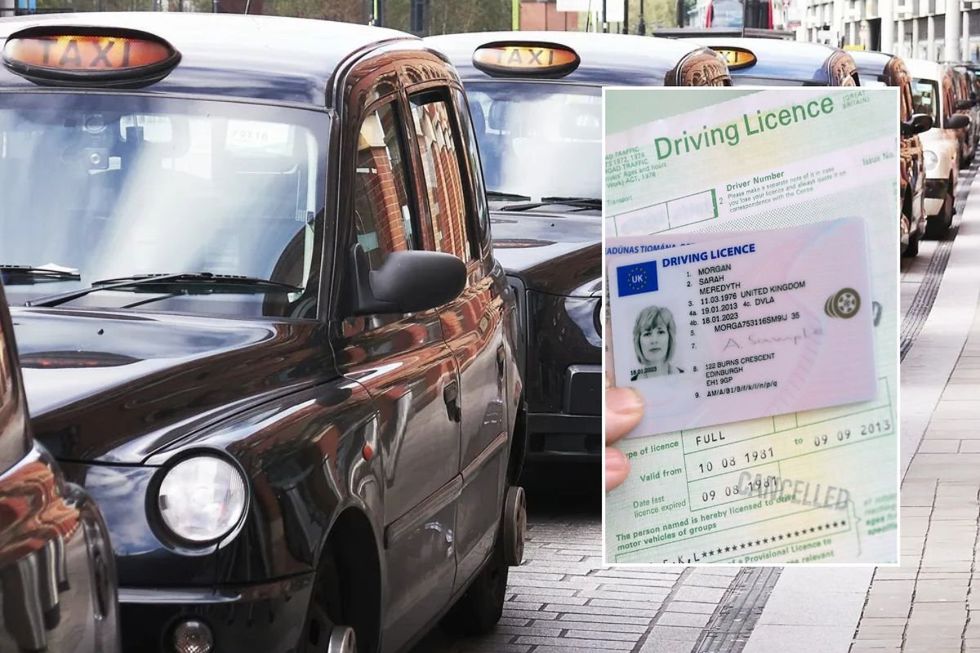
Labour could soon launch new taxi licensing rules following the results of the consultation
| PA"When it comes to safeguarding, we want every local authority to require PHV and taxi drivers to have an enhanced DBS check and to be checked against the adults and children's barring lists," she told the Transport Committee this week.
The Labour MP for Nottingham South also raised concerns about how disabled passengers are treated, revealing that only around two-thirds of councils currently require drivers to complete disability equality training.
She called this "unacceptable" and confirmed training would become mandatory nationwide. "That means passengers can be confident that drivers understand how to meet the needs of disabled people, wherever they travel," Ms Greenwood said.
One of the most controversial proposals would drastically reduce the number of licensing authorities in England. Currently, 263 councils issue taxi and private hire licences. Labour wants to cut that number to around 70, transferring responsibility to larger local transport authorities.
LATEST DEVELOPMENTS
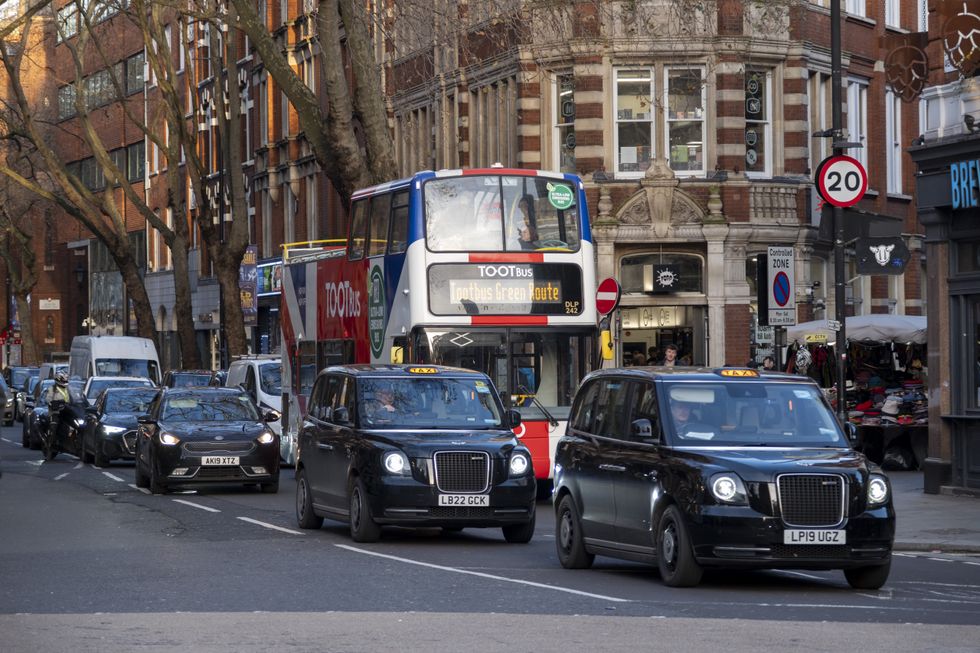
The new consultation will look to impose new rules on taxis and private hire vehicles
| GETTYThe Government said this would tackle the widespread problem of "out-of-area working", where drivers get licensed in one council but mainly operate elsewhere.
Officials also argued that people regularly cross council borders for work and leisure, and licensing areas should reflect how people actually travel.
In regions such as the Liverpool City Region, six separate councils currently issue licences, even though vehicles regularly operate across all of them.
Labour stated moving to single regional licensing bodies would create more consistent standards and reduce incentives for drivers to shop around for cheaper or faster licences.
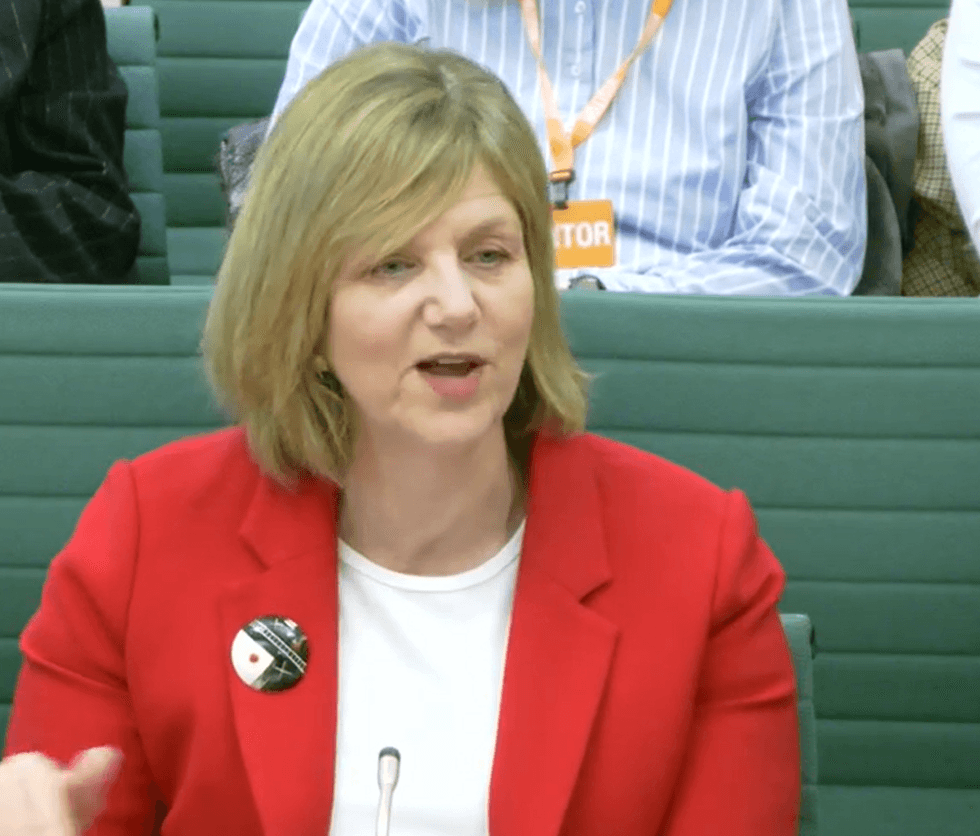
The Transport Minister outlined steps the Government would be taking to tackle unlicensed taxi operators
|PARLIAMENT UK
Wolverhampton City Council has become a focal point in the debate, having issued more than 8,000 new licences in the first half of 2024 alone.
Ms Greenwood said she met council officials shortly before Christmas and said they were "rather reluctant about the role that they'd ended up with". "I don't think it was ever their intention to become the go-to licensing authority," she said.
She rejected claims that Wolverhampton operates lower standards than other councils, calling that "a bit of a myth", but accepted the current situation is far from ideal.
Licence fees vary widely across England, from around £150 to £300, with Wolverhampton among the cheapest and fastest.