








Labour's electric car plans have faced fresh criticism after the UK's truck industry warned that plans to electrify crucial vehicles are falling behind.
New figures from the Society of Motor Manufacturers and Traders showed the shift to electric lorries has stalled, raising serious questions about whether current targets are realistic.
Industry leaders have now urged the Government to rethink its approach, calling for a more flexible, "technology-neutral" strategy instead of pushing ahead with strict electric-only goals.
The warning came at the Commercial Vehicle Show in Birmingham, where manufacturers and operators gathered to discuss the future of road freight.
Latest data revealed zero emission trucks made up just 0.9 per cent of new HGV sales in 2026, down from 1.4 per cent last year, marking a clear sign of progress slowing rather than accelerating.
The figures highlight the scale of the challenge facing ministers as they aim for all new lorries to be zero emission by 2040 as part of the Zero Emission Vehicle mandate.
One industry figure said: "The ambition is there, but the reality on the ground is very different. You cannot force a transition if the conditions to support it simply don't exist yet."
But businesses warned that the costs involved remain one of the biggest barriers. Electric trucks are far more expensive than traditional diesel models, and companies must also invest heavily in upgrading depots and installing charging points.
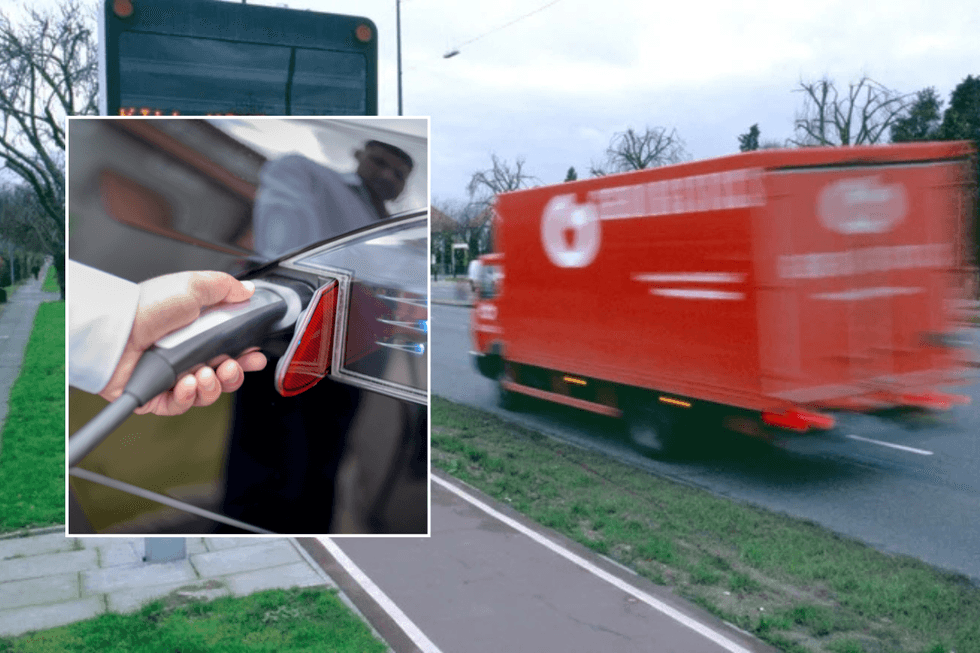
Electric HGVs made up 0.9 per cent of new HGV sales this year
|GETTY/TRANSPORT SCOTLAND
Public charging infrastructure is also lagging far behind. There are currently only around 10 HGV charging stations across the entire UK.
At the same time, firms have faced long delays when trying to connect to the electricity grid. For major projects, waiting times can stretch up to 15 years. Rising energy prices have also added further pressure, making it harder for companies to justify switching to electric vehicles despite potential long-term savings.
Together, these issues are creating deep uncertainty across the sector. Firms warned they are being asked to commit huge sums of money without clear guarantees that the infrastructure will be ready in time.
The SMMT have called on ministers to avoid rushing into strict zero emission-only sales rules.
It warned that moving too quickly could push up costs, disrupt supply chains and ultimately hit consumers.
LATEST DEVELOPMENTS:
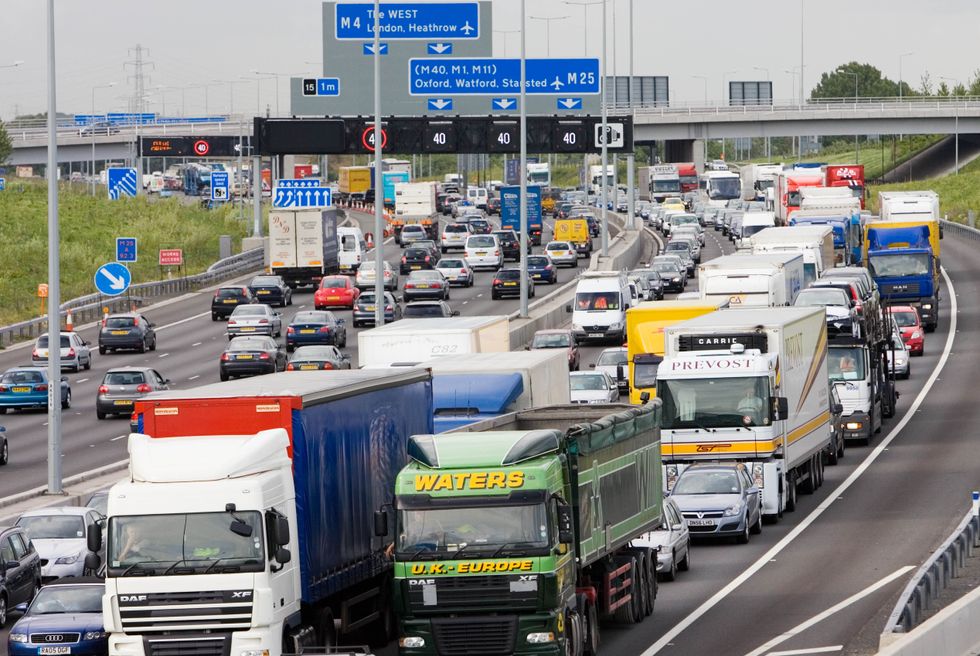
The SMMT warned the HGV charging infrastructure can not support the ZEV mandate
| GETTYThe organisation argued that forcing the market too soon could even slow progress by discouraging companies from upgrading fleets to cleaner diesel or hybrid alternatives in the short term.
Instead, it has called for a more gradual plan based on existing carbon reduction targets. Under current rules, emissions from HGVs are expected to fall by around 30 per cent by 2030. The SMMT believed this could be increased to 64 per cent by 2035, creating a more realistic path towards full zero emission adoption later on.
Chief executive Mike Hawes said the industry remains committed to cutting emissions but warned the current approach risks backfiring.
"But while the goal of net zero by 2050 remains, we need a pathway that is realistic, affordable and delivers CO2 savings now," he said.
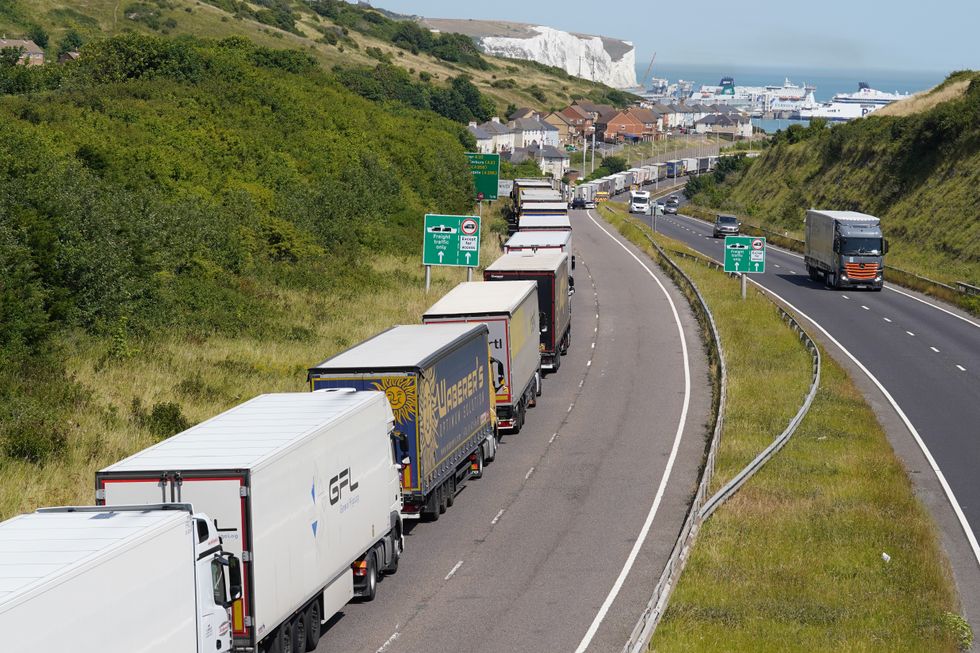
The ZEV mandate requires all new lorry sales to be electric by 2040
| PAMr Hawes added: "With so much of our economy dependent on freight, the priority must be to cut carbon in ways that accelerate fleet renewal without driving up costs."
Despite the slow uptake, manufacturers have already developed more than 40 zero-emission truck models across a wide range of uses.
However, demand has yet to match supply. The HGV sector transports more than 80 per cent of all goods in the UK, including food, medicine and building materials.
To address the growing problems, the SMMT has called for expanded grants, faster planning approvals, and a nationwide charging network capable of supporting heavy vehicles.