








Germany has introduced new incentives worth billions of Euros to help more drivers ditch petrol and diesel cars and get behind the wheel of a new electric vehicle.
Anyone who registers a new electric, plug-in hybrid or range-extended electric car after January 1, 2026, will be able to save between €1,500 and €6,000 (£1,305 and £5,221).
The German government has earmarked €3billion (£2.6billion) for the scheme, with drivers also able to benefit from the incentive retroactively if they registered an EV this year.
Motorists will receive €1,500 (£1,305) for a plug-in hybrid or a range-extended electric vehicle, while a €3,000 (£2,610) grant is available for battery electric vehicles.
TRENDING
Stories
Videos
Your Say
Households earning less than €45,000 (£39,160) with two or more children will be able to save €6,000 (£5,221), while the low-income households without children can save €5,000 (£4,351).
Low-income households can save €3,500 (£3,045), €4,000 (£3,480) or €4,500 (£3,916) if they have no kids, one child, or two or more children, respectively.
Higher-income households, which are measured between €85,001 (£73,970) and €90,000 (£78,320), will not save on an electric car if they have fewer than two kids.
Imported cars are included in the terms of the grant scheme, allowing drivers to choose between established German brands like Volkswagen, Mercedes-Benz and BMW, or emerging Chinese brands.
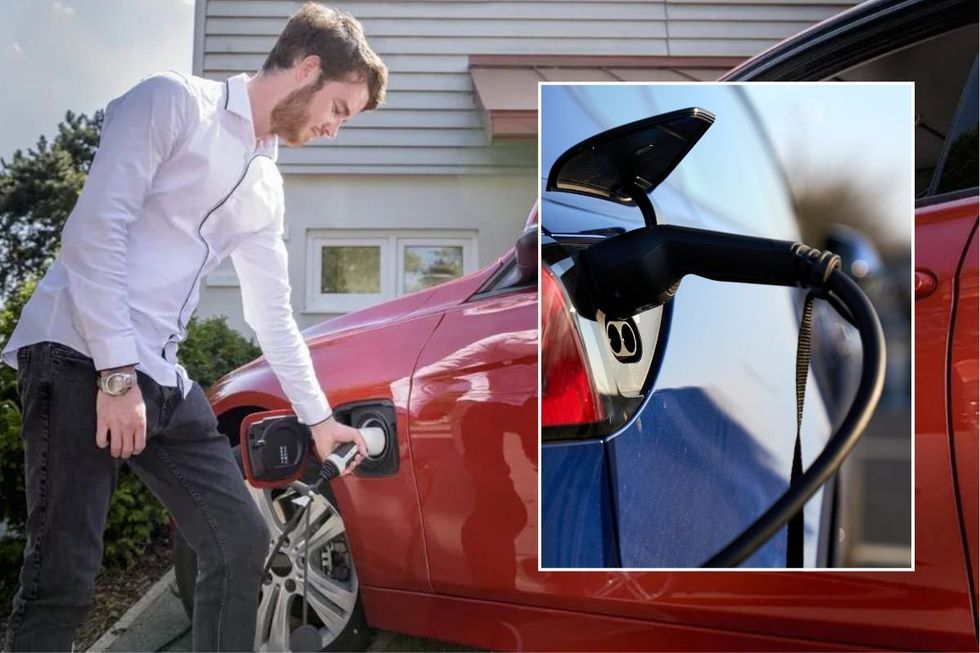
Drivers in Germany could save up to €6,000 from the new EV incentive scheme
|GETTY/PA
The acceleration of Chinese vehicles has sparked concern from governments and politicians across Europe, who warn that the affordable electric cars could undercut established Western brands.
Carsten Schneider, Minister for the Environment, Nature Conservation, Climate Protection and Nuclear Safety, said the new grants would make electric mobility "cheaper than ever".
The Social Democratic Party Bundestag member added: "This new programme is a boost for the environment and the climate. It is a boost for our automotive companies, who have strong offers for electric cars."
He highlighted that it was an "outstretched arm" for the households that want to switch to electric vehicles and make use of the benefits.
LATEST DEVELOPMENTS
- Major car brand refuses to stop petrol car sales to meet electric vehicle targets despite risk of fines
- Motorists to be slapped with new sizing charges as larger cars set to pay more under new proposals
- Drivers would 'accept' being hit with congestion charges despite backlash - 'Sick of being cash cows!'
Mr Schneider predicted that it could lead to the sale of an additional 800,000 new electric cars over the next three to four years.
He acknowledged that it would act as a strong psychological boost for motorists looking to invest at a time of massive uncertainty, most notably from the United States and President Trump's threats of tariffs.
The US President has threatened a 10 per cent tariff against eight European countries, including the UK and Germany, for not allowing him to purchase the autonomous Danish territory of Greenland.
President Trump states that Greenland is essential for American national security, warning that the 10 per cent tariff, which will launch on February 1, will rise to 25 per cent later this year.

Carsten Schneider praised the new EV incentive scheme
|REUTERS
Philipp Sayler von Amende, CEO of Carwow Germany, said: "Our data shows that the share of electric vehicle enquiries on our platform in Germany has risen to 46 per cent in early January 2026, overtaking petrol cars for the first time.
"While there are clear limits to what national governments can offset in the face of escalating US tariff threats, schemes such as the German and UK EV incentives can at least provide a measure of stability for domestic markets."
Germany is following in the footsteps of the Labour Government, which launched the Electric Car Grant in 2025, where motorists can save a maximum of £3,750 off the price of a new EV that costs £37,000 or less.
Chancellor Rachel Reeves announced in the Autumn Budget that the Government would be expanding the ECG with a further £1.3billion in funding, taking the total to almost £2billion.