






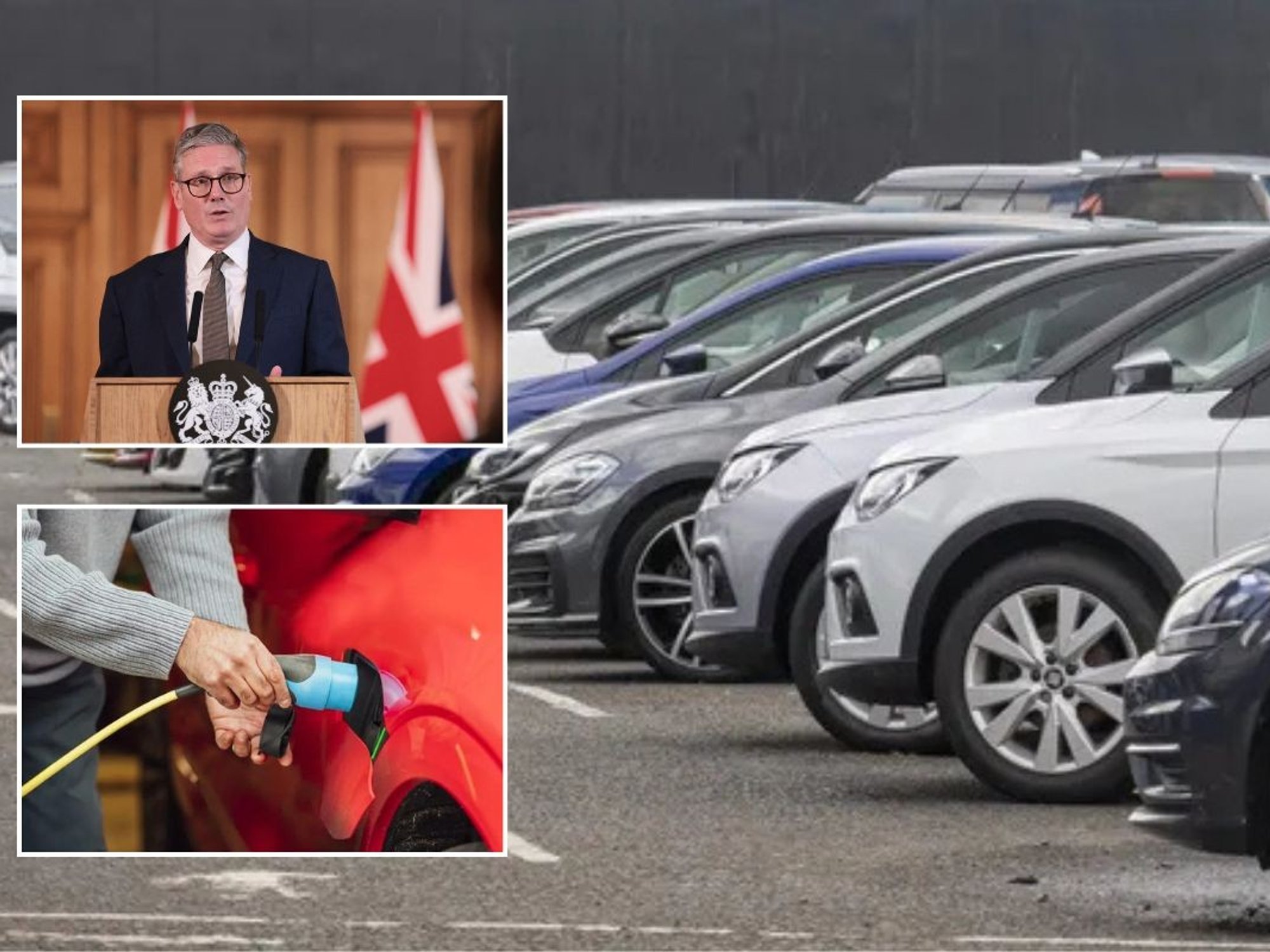



Labour has pushed through sweeping new driving and transport laws, granting authorities fresh powers to clamp down on pavement parking and tighten regulation of e-bikes and e-scooters across England.
The English Devolution and Community Empowerment Bill became law today after passing through Parliament, marking one of the most significant overhauls of urban transport rules in recent years.
The legislation hands Transport for London enhanced authority over micromobility services, paving the way for a unified licensing system for dockless e-bikes across the capital.
The move is intended to end the current patchwork of borough-level rules, which critics explained has left riders, councils and pedestrians struggling to navigate inconsistent regulations.
Harry Foskin, Senior Public Policy Manager at Voi Technology, said the Government had now done its part, and it was time for action in the capital.
"Transport for London has to crack on and use these powers to deliver pan-London licensing for e-bikes now the Government has done its part," he said.
"For too long, riders have been left confused with a patchwork of rules that serves nobody well - not riders, Boroughs, pedestrians or other road users."
He also pointed to delays in regulating pedicabs as a warning, noting that despite legislation being passed in 2024, full rules are still months away from being introduced.
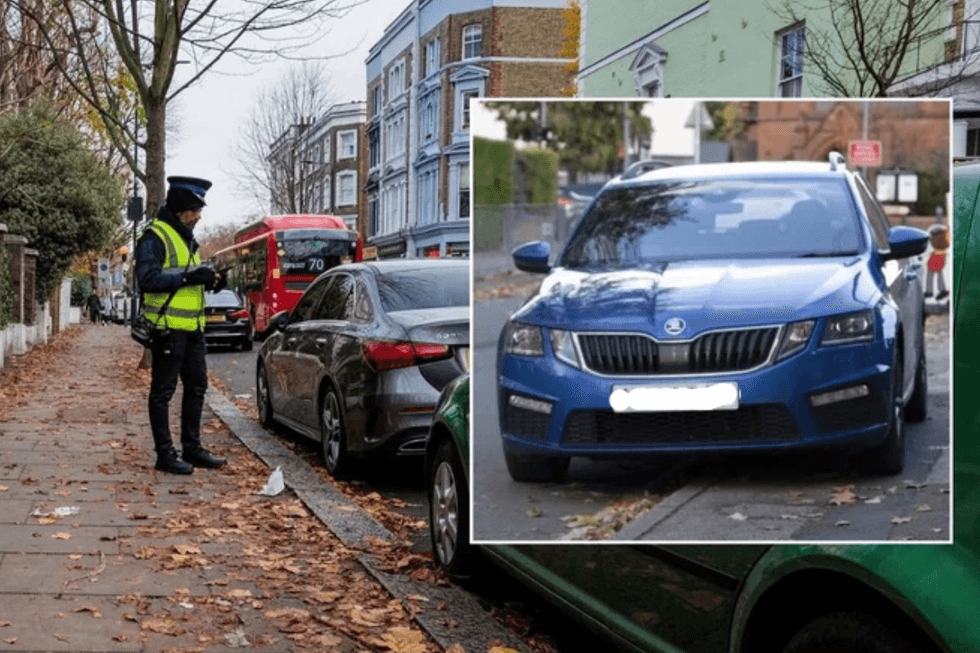
Labour has announced a crackdown on pavement parking across England
|GETTY
Alongside changes to micromobility, the law gives local councils across England new powers to tackle vehicles parked on pavements, an issue long criticised for putting pedestrians at risk.
Campaigners have welcomed the move, arguing it could transform safety on streets nationwide, particularly for vulnerable users.
"After decades of campaigning, the agreement in the House of Lords today to introduce new powers to tackle pavement parking is a very welcome step in the right direction," said Eleanor Briggs, Head of Policy, Public Affairs and Campaigns at Guide Dogs.
She warned that pavement parking forces some of the most vulnerable people into dangerous situations, due to blocked safe routes.
LATEST DEVELOPMENTS
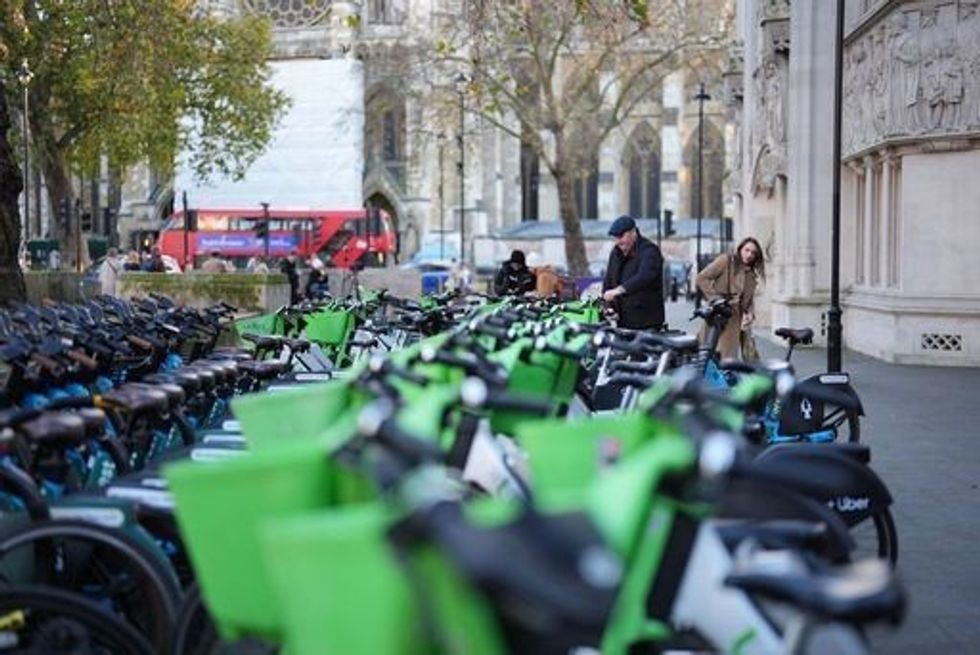 E-bikes have been growing in popularity across the UK | PA
"Blocked pavements are a problem for everyone trying to walk down the street safely, but are especially dangerous for people with sight loss, wheelchair and powerchair users, and people with pushchairs, who may have no option but to step into the road," Ms Briggs added.
Charlotte Proctor, a 36-year-old from Leeds who has been blind since the age of two, explained having a daily fear of navigating obstructed streets.
She said: "I can't find the words to describe how terrifying it is to step into a busy road when you can't see what is going on.
"Cars are zooming past in both directions, and all the time people must be thinking I've lost my way - or my mind - when, in reality, I'm just looking for an obstacle-free route."
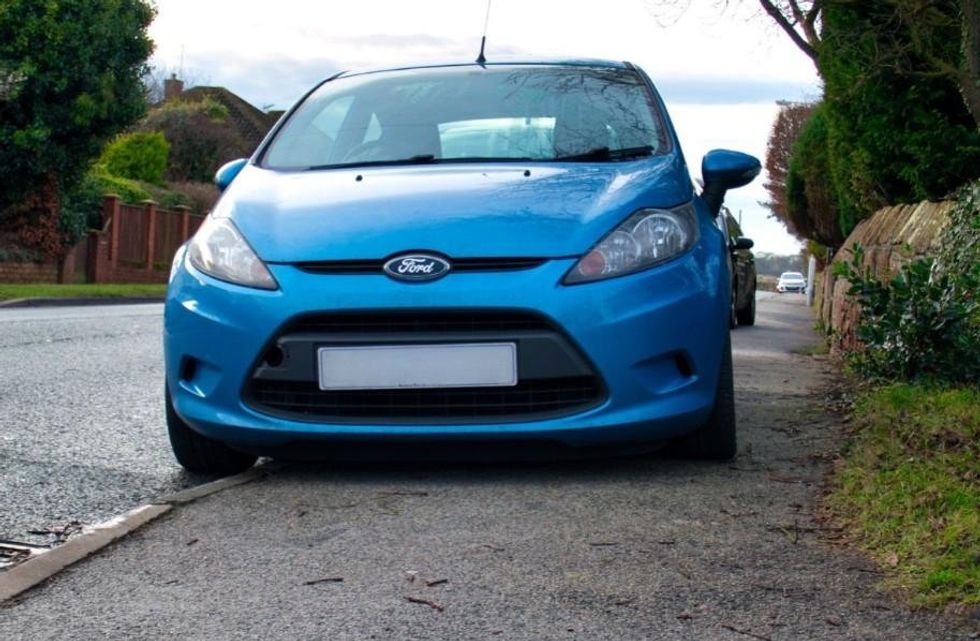 Under the powers, councils will be able to enforce pavement parking later this year | BRACKNELL FOREST COUNCIL
The Bill also creates a pathway for Transport for London to move away from the current borough-by-borough system for e-bike operators, with companies such as Voi already running thousands of vehicles and recording more than one million journeys in London during 2025.
Ministers explained that the changes will modernise transport and improve safety, but there are already questions over how quickly the new powers will be put into practice.
Ms Briggs added: "We are looking forward to working with the government and councils on developing the details of the rules.
"It's essential that these are developed and enforced quickly to ensure that everyone can get from A to B without being stopped or forced into the road."