






Drivers are being warned of new motoring laws introduced over the last month that could see them pay more to keep their vehicles on the road.
With the start of the new financial year, millions of drivers up and down the country will be bracing for extra car tax costs, although some may soon receive redress from their car finance lenders.
GB News has rounded up the most important driving law changes introduced over the last month that you may have missed.
Car tax
Chancellor Rachel Reeves oversaw a host of new Vehicle Excise Duty changes in April, with many petrol, diesel and electric car owners seeing their costs increase.
Labour uprated the rate of VED in line with inflation for cars, vans and motorcycles at the start of the month, bringing the standard rate from £195 to £200.
Vehicles registered between March 1, 2001, and April 1, 2017, saw modest increases, although the most polluting petrol and diesel vehicles saw annual costs jump from £750 to £790.
First year rates impacting those who buy new vehicles saw the largest rise after the Chancellor confirmed in 2024 that the Government would double rates for any vehicle emitting more than 100g of CO2 per kilometre.
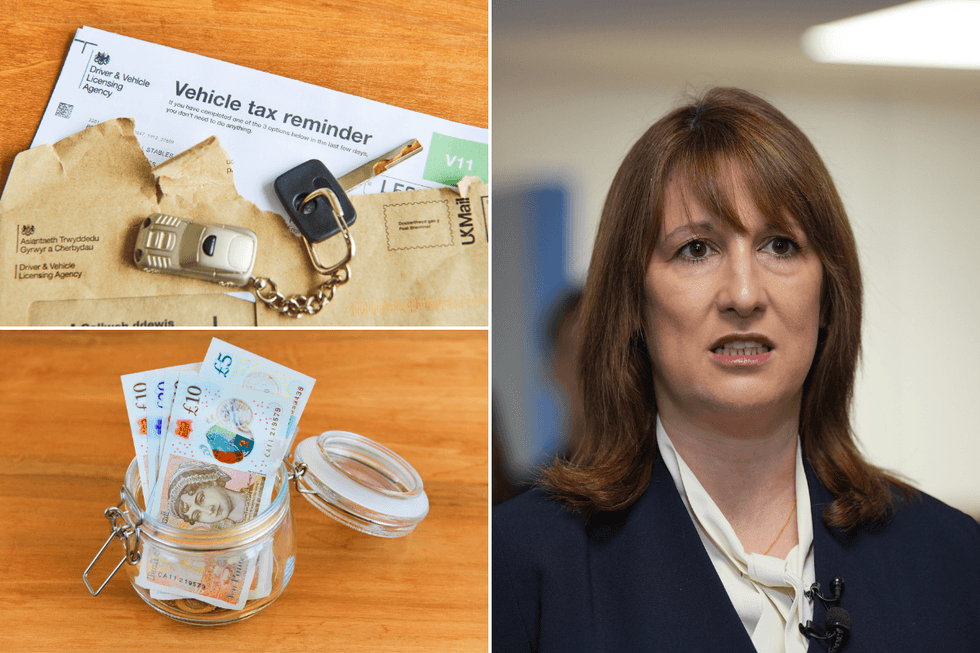
A number of vital car tax changes were introduced by Chancellor Rachel Reeves in April
|GETTY/PA
Petrol and diesel cars emitting over 255g/km registered on or after April 1, 2026, will now face costs of £5,690, while newly registered EVs will pay just £10 in addition to the standard rate.
Some electric vehicles need to pay the Expensive Car Supplement, which costs £440 for five years after the second year of registration, although the value threshold has been hiked from £40,000 to £50,000.
The Chancellor also confirmed that VED for heavy goods vehicles would also rise in line with inflation, as would the HGV levy.
Classic car owners may be some of the few that benefitted from new car tax rules, as any vehicle built before January 1, 1986, can now stop paying VED, although it must still be taxed.
LATEST DEVELOPMENTS
 The FCA said the average agreement would receive £829 in compensation in the aftermath of the car finance scandal | PA
 Car finance
The Finance and Leasing Association (FLA) confirmed that lenders would abide by the regulations set out by the Financial Conduct Authority (FCA) for the car finance redress scheme.
The FCA estimates that 12.1 million agreements will be eligible for redress at a total cost of £9.1billion, or £829 per agreement.
Some legal experts issued warnings that compensation could be delayed as lenders and major banks mount a legal challenge as a result of the terms of the redress scheme.
Shanika Amarasekara, chief executive of the FLA, said: "We continue to have concerns about aspects of the scheme, but our priority is that a practical solution be reached that ensures timely compensation for consumers while giving the motor finance industry and the wider market clarity and finality on this issue."
The FCA states that the "vast majority" of car finance claims will be settled by January 2028, although firms can start issuing compensation as soon as they want.
Despite the FLA agreeing to the terms, Consumer Voice has pledged to challenge the redress scheme, arguing that some motorists will still lose out on the compensation.
The group claimed that the redress scheme had been designed in a way to "protect lenders", leaving drivers "out of pocket".
"We support a redress scheme being put in place, but as it stands, millions of people will be under-compensated, and the lenders involved in this scandal won't be meaningfully held to account," Alex Neill, co-founder of Consumer Voice, said.
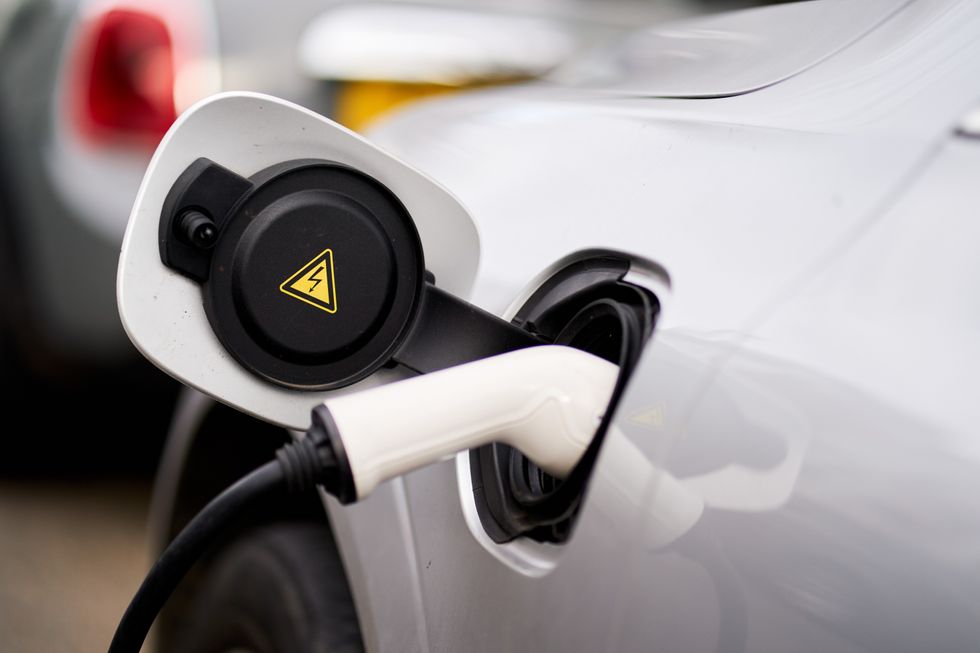
Electric car chargers could now cost just £45 to install in public after Labour slashed red tape on planning rules
| PAElectric cars
Labour confirmed in April that it would cut red tape around the installation of public electric vehicle chargers, which could make it as cheap as £45 for businesses.
The changes will lower costs, admin burdens, and installation wait times thanks to the Planning and Infrastructure Act 2025 and amendments to the Traffic Management Permit Scheme (England) Regulations 2007.
Chargepoint operators will no longer need to go through lengthy applications for Section 50 licences to install a charger and can instead apply for street works permits.
Transport Secretary Heidi Alexander highlighted how these changes would directly support businesses by cutting costs from around £1,000 to just £45.