








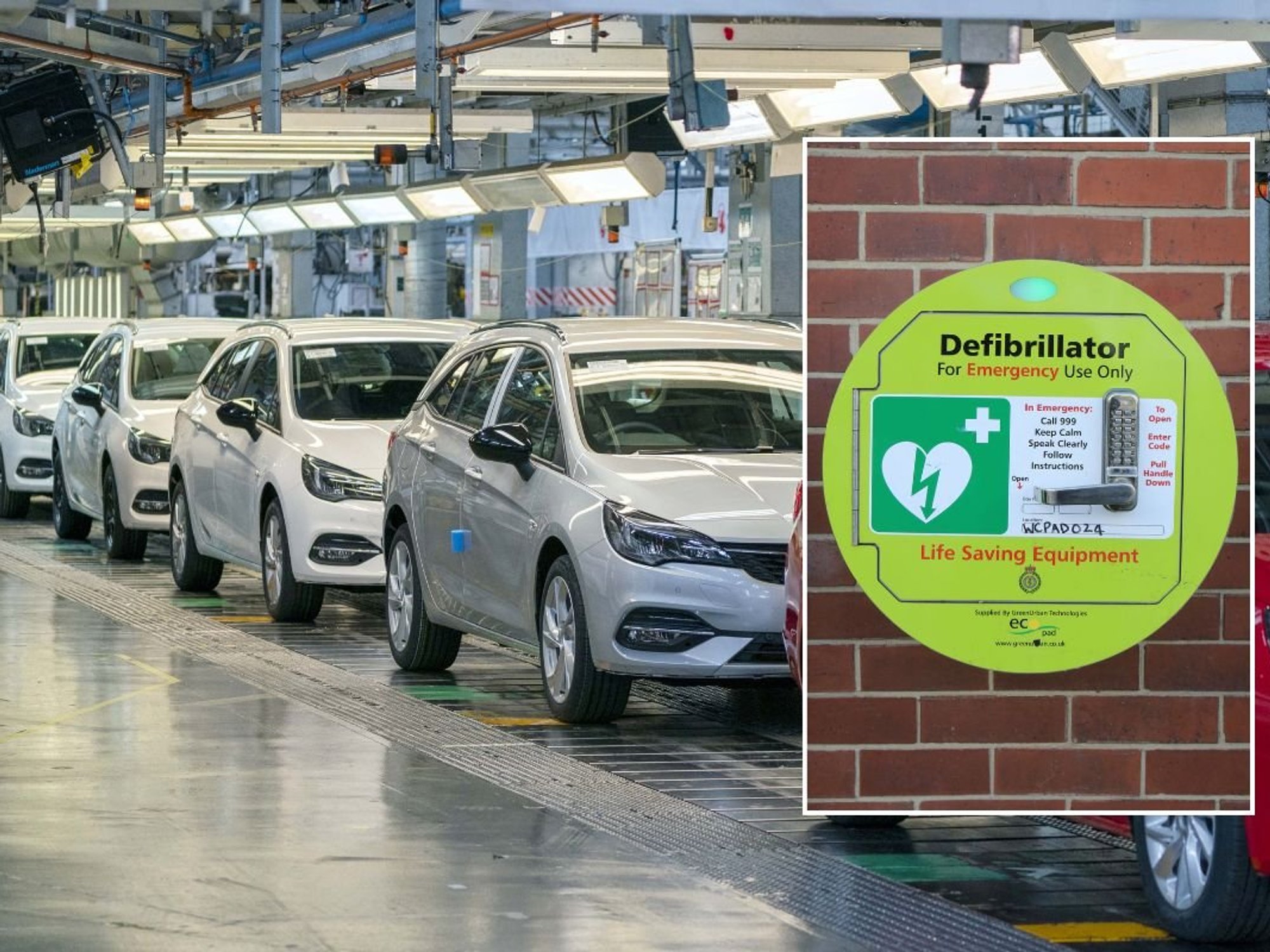

Labour has been warned not to water down the UK's planned ban on new petrol and diesel cars from 2035, despite fresh changes announced by the European Union.
The warning comes from the head of Britain's electric vehicle charging industry, who stated reopening the debate would risk billions of pounds of investment and damage confidence among drivers.
Vicky Read, chief executive of ChargeUK, said the European Commission's decision to relax some emissions rules for carmakers should not be used as an excuse for the UK to change course.
"This does not change the fact that the transition to electric vehicles is happening," she said. "Any move to reopen the UK's Zero Emission Vehicle mandate would be a major overreaction and would put investment in charging infrastructure at risk."
TRENDING
Stories
Videos
Your Say
Her comments follow an announcement in Brussels this week, where the European Commission revealed a new "automotive package" aimed at giving carmakers more flexibility as they cut emissions.
Under the EU's updated plans, car manufacturers will still be expected to slash emissions by 90 per cent by 2035, although this is a reduced rate.
However, the final 10 per cent can now be offset through measures such as using low-carbon steel made in the EU or alternative fuels like biofuels and e-fuels.
This means petrol and diesel cars, including mild hybrids, plug-in hybrids and range-extender vehicles, could still be sold after 2035 in the EU. Fully electric and hydrogen cars will also remain part of the mix.
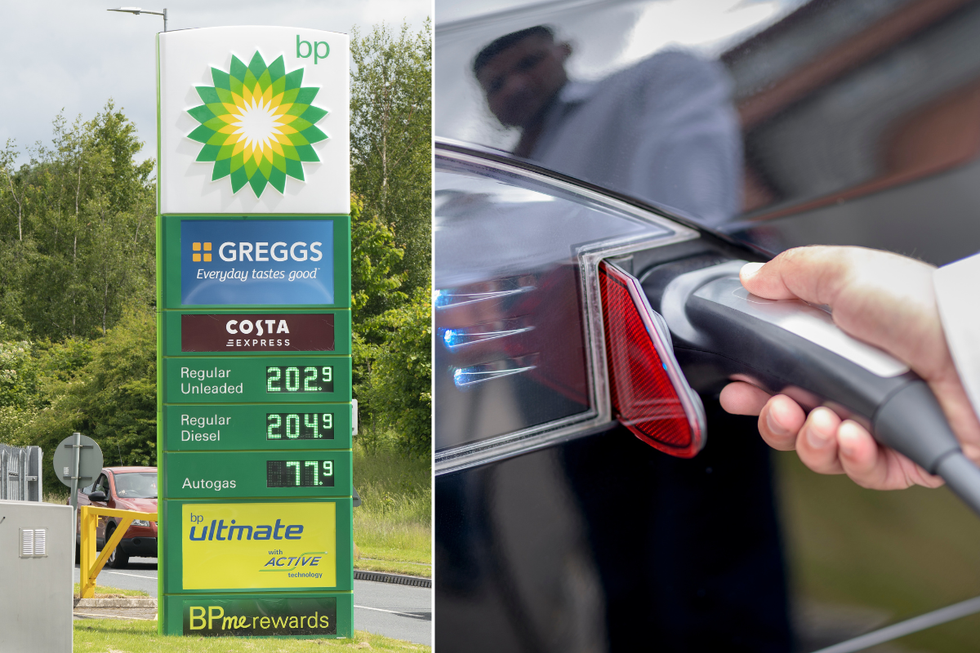
Labour has been urged not to alter the ZEV mandate following changes by the European Commission
| PA/GETTYThe Commission has also softened near-term targets. Car makers will now be able to "bank and borrow" emissions allowances between 2030 and 2032, giving them more breathing space if sales of electric vehicles slow.
Vans have also benefited from the special treatment. The EU's 2030 emissions reduction target for vans has been lowered from 50 per cent to 40 per cent, after admitting that switching vans to electric has proved more difficult than expected.
Car makers welcomed the extra flexibility but warned it may not go far enough.
The European Automobile Manufacturers' Association, which represents big names such as BMW, Volkswagen, Mercedes-Benz and Jaguar Land Rover, said the proposals were a step in the right direction but raised concerns about competitiveness and strict EU-only rules.
LATEST DEVELOPMENTS:
The European Automobile Manufacturers' Association warned the watered down rules may not go far enough
| GETTYEuropean Commission President Ursula von der Leyen said the package was designed to protect jobs while keeping climate goals on track.
"This is about innovation, clean mobility and competitiveness," she said. "We are addressing all of these challenges together."
Despite the EU shift, ChargeUK insisted the UK should stay the course. The group represents companies running around 70,000 public charge points – more than two-thirds of the UK's total network. Its members have pledged more than £6billion in private investment by 2030.
Ms Read said electric vehicle sales in Britain remain strong and that the UK's current rules already give manufacturers flexibility during the transition.
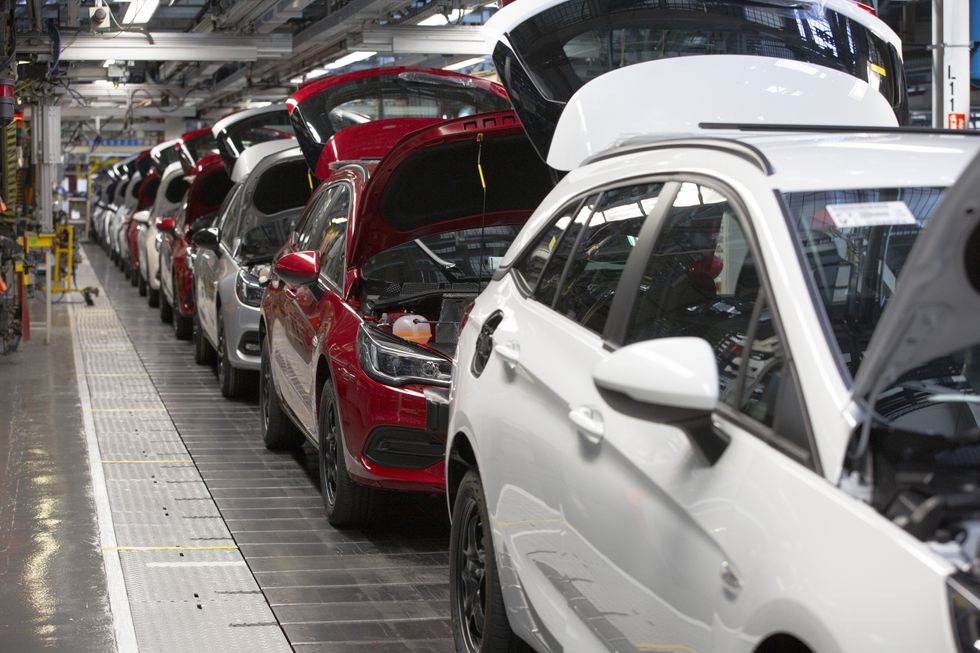 The 2035 petrol and diesel ban saw 150,000 jobs created across the electric car sector | GETTY
"The UK should be focusing on building on this progress and helping more drivers make the switch," she said. "We should not be looking over our shoulder at Europe."
The UK's Zero Emission Vehicle mandate, introduced under the Conservatives and backed by Labour, sets targets for how many electric cars manufacturers must sell each year, while allowing limited leeway if they fall short.
Industry figures feared that any hint of a policy U-turn could stall investment and slow down the rollout of chargers just as momentum is building.
As Labour prepares for Government, pressure is growing to provide clarity and resist calls to dilute the 2035 ban — even as Europe charts a slightly different path.
Our Standards: The GB News Editorial Charter