








Jersey has scrapped plans to ban new petrol and diesel cars by 2030 after a public backlash, in a major U-turn on its green agenda.
The island's Environment Minister, Steve Luce, confirmed the Government will no longer go ahead with the proposed phase-out, saying it lacked public support and risked hitting motorists in the pocket.
The move comes after a consultation drew more than 2,000 responses, with a clear majority warning they would be worse off if the plans went ahead.
According to the findings, 63 per cent of individuals and 79 per cent of organisations said they expected to be negatively impacted.
Mr Luce admitted the policy had failed to win over islanders, saying: "It is very clear that the majority of respondents were not in favour of the proposed phase-out."
He added that many people "wanted to retain freedom of choice when selecting vehicles," a key factor behind the Government's decision to drop the plans.
Under the original proposals, Jersey would have followed the UK in banning the sale of new petrol and diesel cars from 2030 as part of the Zero Emission Vehicle mandate.
The mandate requires new petrol and diesel car sales to be electric by 2030, with at least 33 per cent electric by this year.
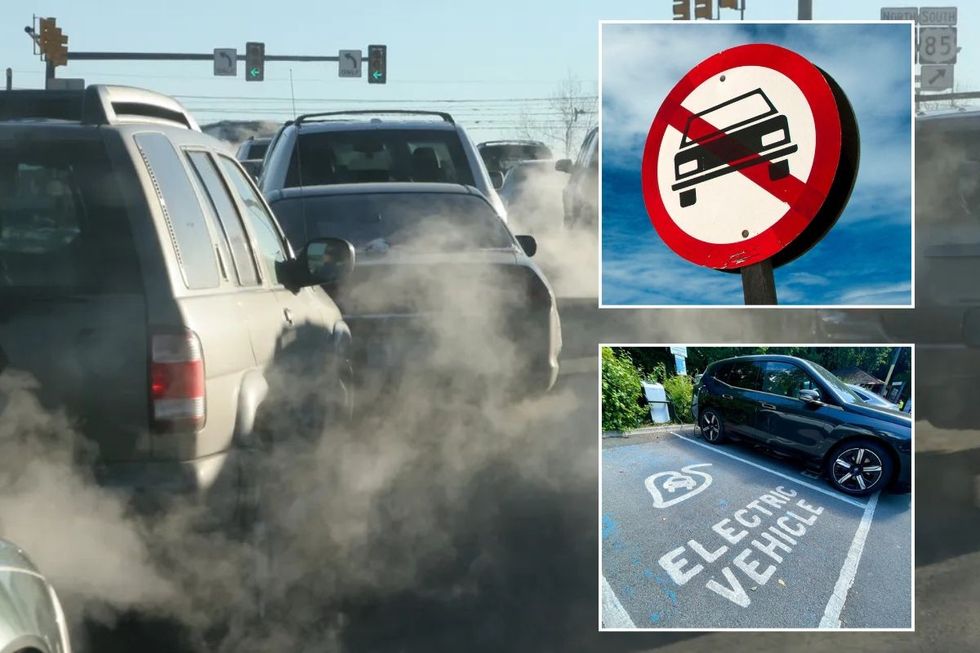
The Environment Minister confirmed the island would scrap its 2030 petrol and diesel phase-out date
| GETTYMinisters had already watered down the policy by excluding second-hand vehicles before now abandoning it altogether.
Instead, Mr Luce said Jersey would rely on changes in the UK car market to drive the transition automatically, without introducing new laws.
"We do not need to create costly new legislation, as the changes in the UK will cascade to the local market automatically," he said. "I therefore will not be introducing limitations on the importation and registration of fossil fuel vehicles".
The decision marks a significant shift away from one of the centrepieces of Jersey's Carbon Neutral Roadmap, which aims to reach net zero emissions by 2050.
LATEST DEVELOPMENTS:
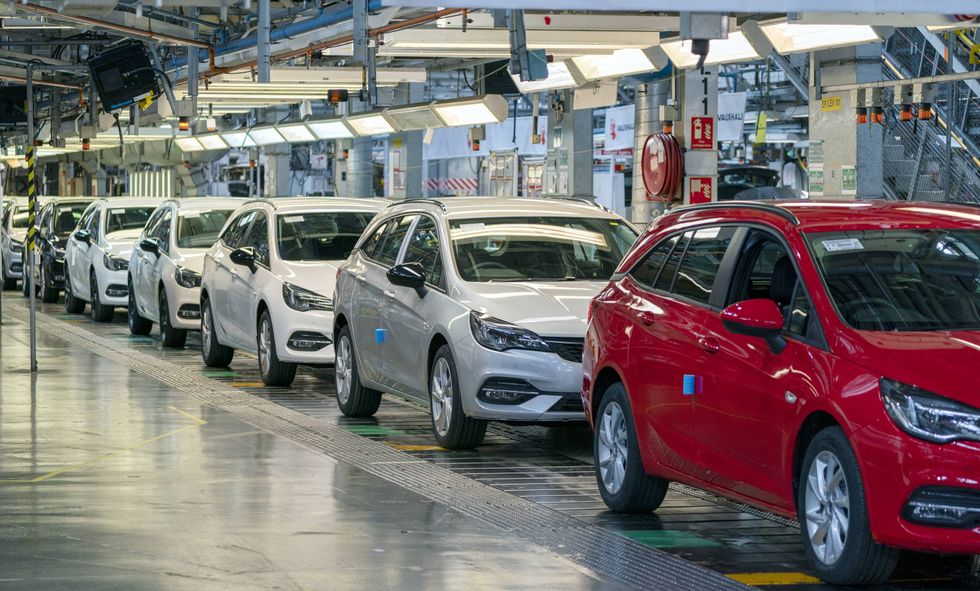 The ZEV mandate requires all new petrol and diesel car sales to be electric by 2030 | PA
Ending the import of petrol and diesel vehicles had been seen as a key part of that strategy, particularly as road transport accounts for a large share of the island's emissions.
However, Mr Luce signalled a rethink of how those targets will be met, saying: "Our approach to this transition needs to change."
He suggested the Government would now look again at taxes, charges and incentives to encourage greener travel, rather than imposing outright bans.
"There is now a significant opportunity to review the government's overall policy approach to vehicles and transport," he said, adding that reforms must still "help us achieve our sustainable transport goals… and support Islanders to decarbonise their journeys."
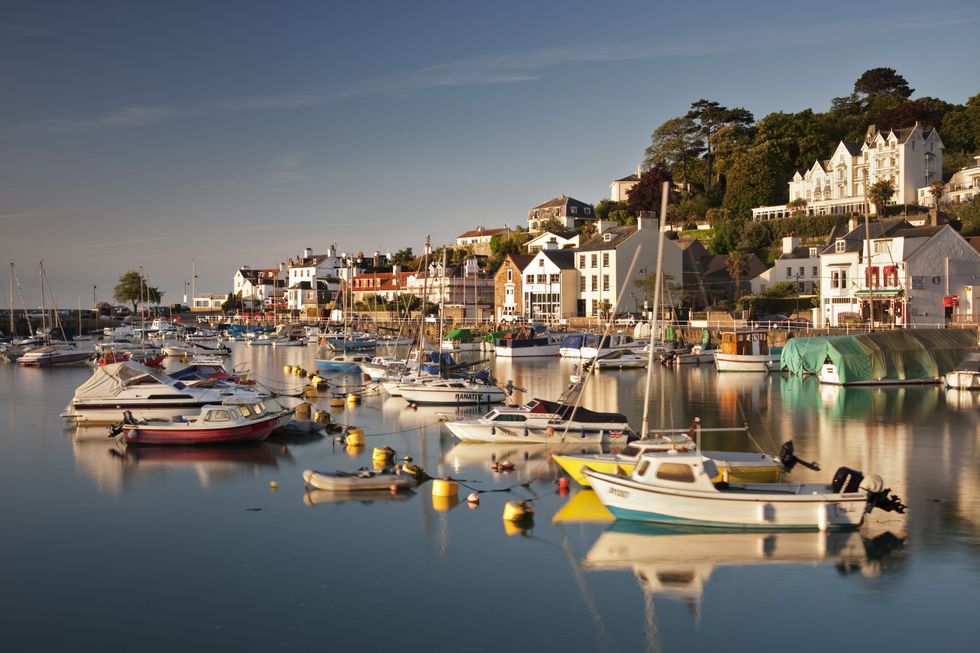 Jersey aims to achieve net zero emissions by 2050 | GETTY
Despite the U-turn, the minister insisted the long-term climate target remains in place. He said he was "absolutely committed to Jersey's 2050 net zero goal", although he acknowledged that cutting emissions from cars could now take longer.
A key concern raised during the consultation was affordability, with many warning that switching to electric vehicles remains too expensive.
Mr Luce accepted this point, stressing the need for what he called a "just transition for local motorists".