









Approximately one in six motorists across the UK have been putting themselves at risk of financial penalties this winter by breaching a major Highway Code.
A new study has found that 17 per cent of drivers have admitted to getting behind the wheel despite being unable to see properly due to bright sunlight.
This behaviour potentially breaches Rule 237 of the Highway Code, which requires motorists to reduce their speed and stop if necessary when dazzled by intense light.
The findings are particularly concerning given that Aviva's claims data shows incidents linked to low sun and slippery road conditions reach their highest levels between December and February.
TRENDING
Stories
Videos
Your Say
Motorists who choose to drive while blinded by sunlight not only endanger themselves and other road users but could also find themselves facing a fault claim on their insurance.
The penalties for such offences can be substantial, with fines potentially reaching up to £1,000 in the most serious instances.
Drivers can also be at risk of receiving points on their licence, and in extreme cases, authorities can impose a driving ban.
Beyond the immediate financial hit, those who cause accidents while driving in poor visibility conditions risk having their insurance claims rejected, leaving them personally liable for any damage or injuries.
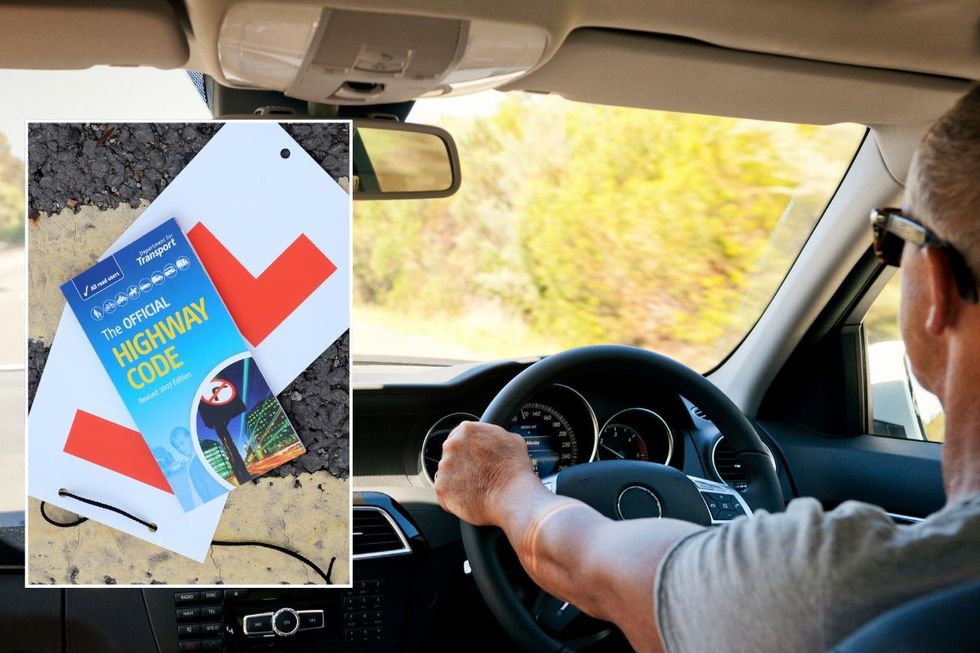
The survey revealed serious breaches in Highway Code rules occur during the winter months
| PA/GETTYThe winter months present particular challenges as the sun sits lower in the sky, with glare often worsened by reflections from wet roads, snow and ice.
The research also revealed that more than a third of British drivers (34 per cent) have worn unsuitable clothing or footwear while driving, including bulky winter coats, gloves, high heels and wellington boots.
These choices could contravene Highway Code Rule 97, which stipulates that attire must not interfere with a driver's ability to properly control their vehicle.
Motorists found to be driving with impaired ability due to their clothing face an on-the-spot fine of £100 and three penalty points, with penalties escalating to £5,000, nine points or a ban in court cases.
LATEST DEVELOPMENTS
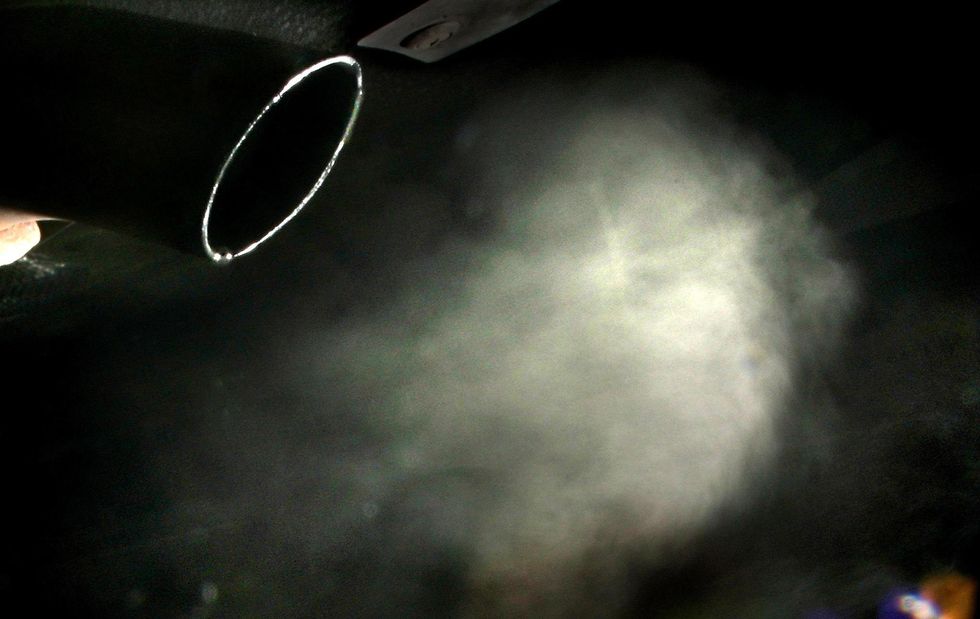
14 per cent of drivers admitted to leaving their vehicle running unattended while defrosting vehicles
| PAOther risky behaviours identified include driving with snow still covering the car roof (17 per cent), consuming hot drinks while at the wheel (16 per cent), and ignoring dashboard warning lights (15 per cent).
Meanwhile, 14 per cent of drivers admitted to leaving their vehicle running unattended with keys in the ignition while defrosting.
Hannah Pinches, Director of Motor Claims at Aviva, said: "Glare tends to affect drivers when the sun is low in the sky and can be extremely distracting.
"According to our data, claims caused by glare peak in the months of December, January and February, which is why it's a good idea to slow down and keep a safe distance from the car in front, so you have plenty of time to react if something unexpected happens."
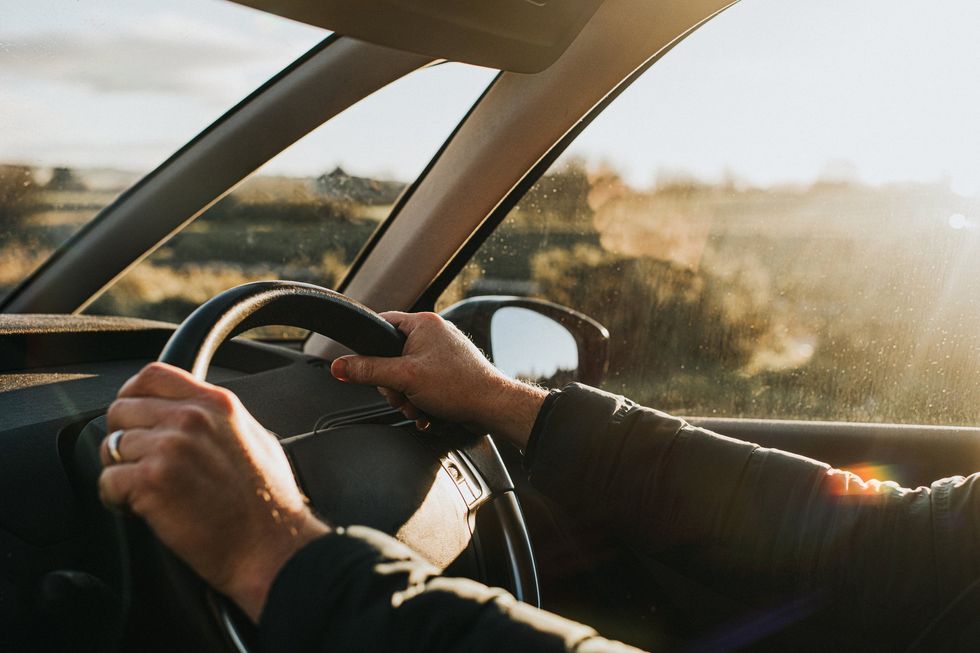
Rule 237 of the Highway Code dictates that drivers should avoid being dazzled by light in vehicles
|GETTY
She added that adverse conditions, such as low sun, can increase the risk of an accident or incident.
To reduce the chances of this happening, she said drivers should take a few extra minutes to prepare their vehicle, such as using the car's visor to help stay safe on the roads.
When setting off on icy or snowy surfaces, the insurer advised starting in second gear to prevent wheel spin and maintaining the highest gear possible at low speeds on level ground.
Drivers should also be aware that braking distances can increase by up to ten times in wet and icy weather, making it essential to maintain a generous gap from vehicles ahead.