











Motorists have faced renewed warnings to comply with Highway Code changes introduced nearly four years ago, after reports found widespread confusion and poor adherence to the updated rules.
Despite the regulations taking effect in January 2022, research indicated that many drivers have remained unaware of crucial modifications designed to protect vulnerable road users.
Studies have shown that only 42 per cent of motorists consistently give way to pedestrians at junctions, while an AA survey found that 61 per cent of drivers had not read the revised guidance months after implementation.
The changes continue to confuse many road users who struggle to apply the rules in practice, despite being the largest overhaul in a generation.
TRENDING
Stories
Videos
Your Say
A new hierarchy of road users now places those most vulnerable in collisions at the top, requiring drivers to take greater responsibility for pedestrian and cyclist safety.
Other modifications include mandatory priority for pedestrians crossing or waiting to cross at junctions, with traffic required to give way. Cyclists going straight ahead at junctions now have priority overturning vehicles.
Drivers must also now maintain at least 1.5 metres when overtaking cyclists at speeds up to 30mph, with greater distances required at higher speeds. When passing horses or pedestrians on roads, motorists must allow at least two metres of space.
The Code also clarified that cyclists may ride two abreast and position themselves centrally in lanes when appropriate for safety.
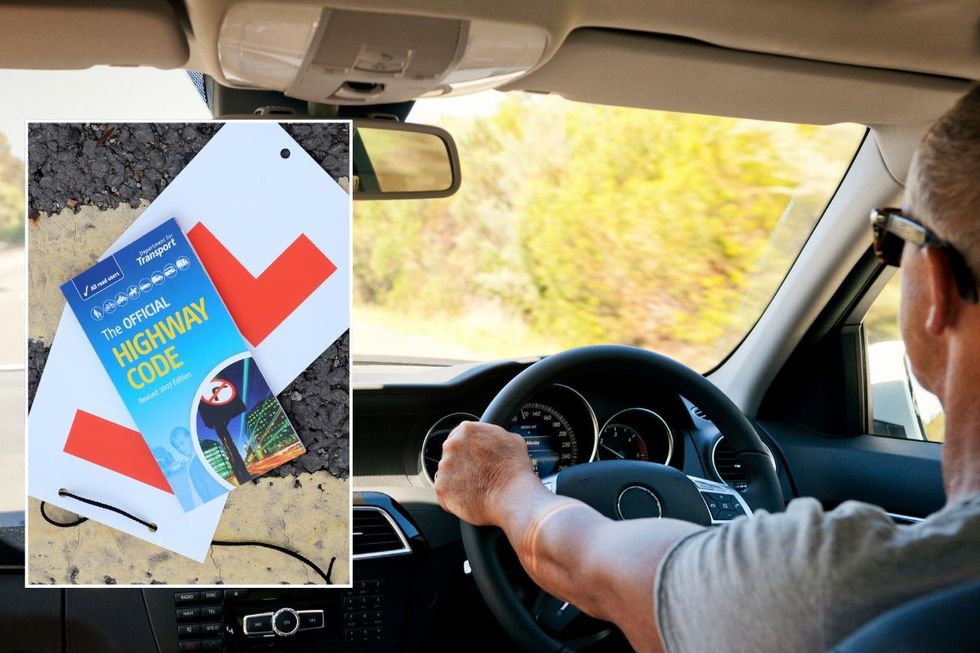
Reports found that 61 per cent of drivers had not read the revised Highway Code rules
| PA/GETTYRAC research found that 49 per cent of drivers believed the modifications would make pedestrians less safe, while only 17 per cent thought safety would improve.
Department for Transport data showed awareness increased from 36 per cent in January 2022 to 58 per cent by August that year. However, behavioural change lagged behind, with many motorists failing to implement the rules consistently.
IAM RoadSmart research discovered that one in five drivers remained unaware of the changes shortly after their introduction.
An educational film narrated by actor Martin Clunes has been recognised for successfully addressing these knowledge gaps.
LATEST DEVELOPMENTS
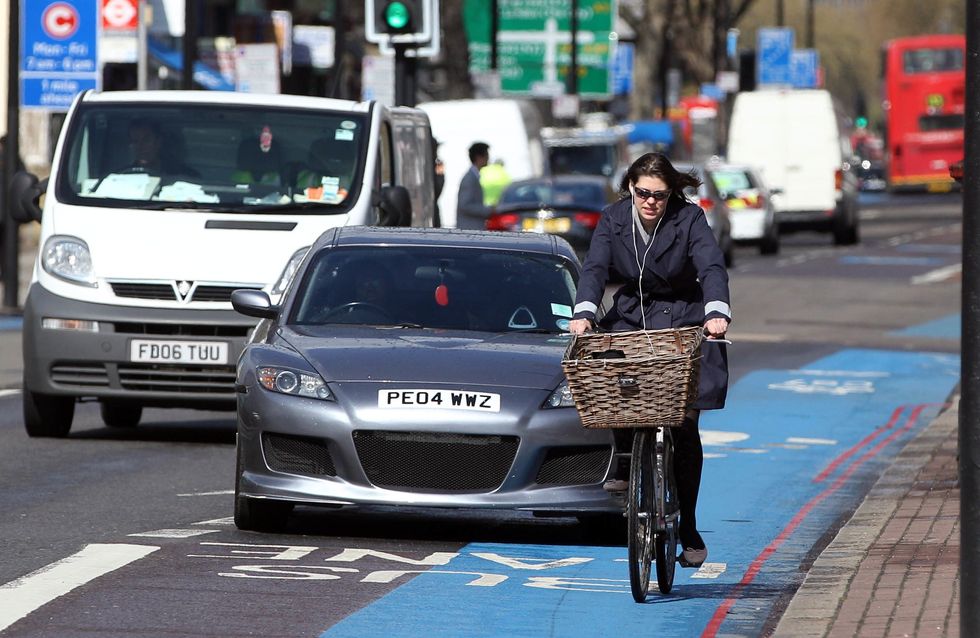
The Highway Code update ensured that cyclists going straight ahead at junctions were given priority
| PAThe two-minute video, which received a highly commended award at this year's Prince Michael of Kent International Road Safety Awards, uses humour and clear visual demonstrations to explain the updated rules.
The film was developed by Co-Pilot, a subscription-based service supporting local authorities and road safety organisations.
Police forces, councils and fire services requested accessible materials to explain the changes, prompting the creation of the clip.
An independent evaluation involving more than 250 drivers found the film significantly improved understanding of key rules, as participants showed substantial gains in knowledge of turning and overtaking regulations.
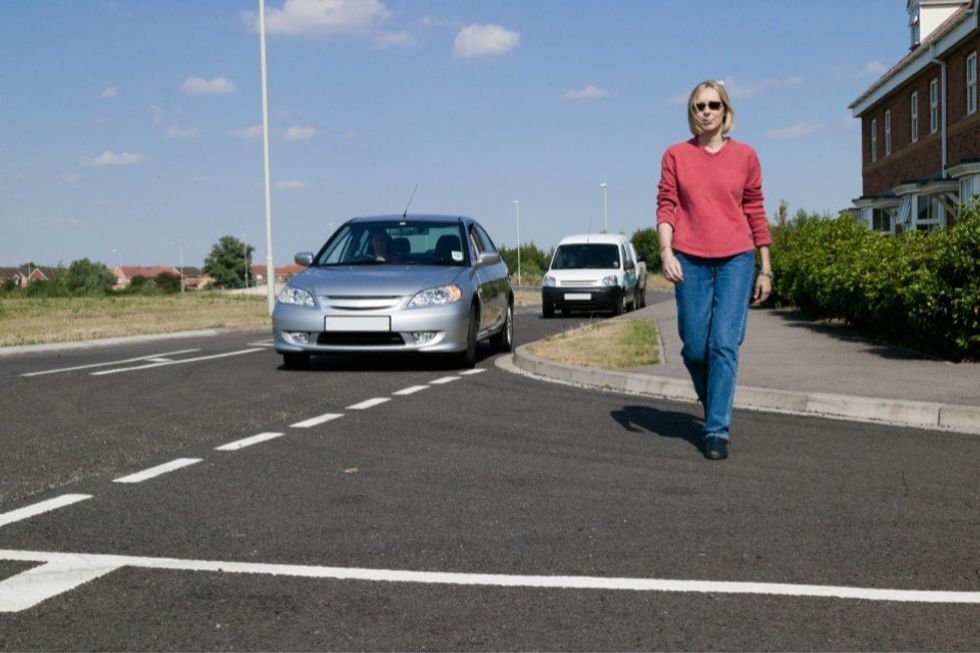
The rule changes were introduced in 2022 to improve safety for pedestrians and cyclists
|DEPARTMENT FOR TRANSPORT
Dr Elizabeth Box, behavioural science consultant at Co-Pilot, said: "Our peer-reviewed evaluation shows what can be achieved when we apply behavioural science rigorously and work collaboratively.
"The results highlight the value of combining theory-driven design with practitioner insight."
The study found participants who watched the film achieved 99 per cent accuracy on pedestrian priority questions, compared to 67 per cent beforehand. Knowledge of safe overtaking distances nearly doubled from 37 per cent to 73 per cent.
James Evans, CEO and founder of Co-Pilot, added: "This intervention shows the strength of what we can achieve collectively when we combine shared expertise, pooled resources, and a commitment to evidence."