







The 2035 deadline to ban the sale of new petrol and diesel cars across Europe could be in jeopardy amid concerns it could destroy the EU's manufacturing industry.
German Chancellor Friedrich Merz has written to the EU, urging the European Commission to ease the planned ban on sales of new petrol and diesel cars from 2035.
The 70-year-old politician said automotive companies needed more flexibility in the transition to zero emission vehicles over the coming years.
Mr Merz said the plan to ban petrol and diesel cars from 2035 was unrealistic given the competition brands face from China, in addition to slower-than-expected uptake of EVs.
TRENDING
Stories
Videos
Your Say
The conservative Chancellor received a major boost when the Social Democrats in the German Parliament agreed to seek exemptions for plug-in hybrids and more efficient combustion engines.
In the letter sent to European Commission President Ursula von der Leyen, Chancellor Merz said the automotive industry should be supported, especially at a time of instability.
The leader of the Christian Democratic Union (CDU) highlighted the impact of tariffs imposed by the likes of US President Donald Trump, supply chain issues and international competition.
He emphasised that the goal of the auto industry, and Europe as a whole, is to be "technology-neutral, flexible and realistic".
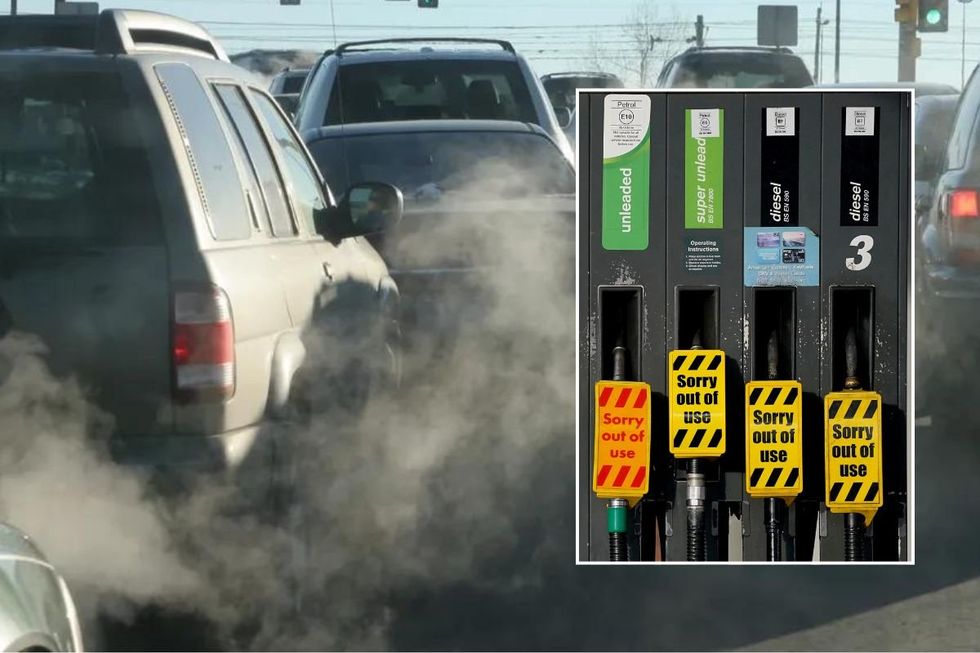
The German Chancellor has called on the EU to water down its plan to phase out petrol and diesel cars by 2035
|GETTY/PA
Reuters reported that the letter stated that plug-in hybrids and "range extender" vehicles should play a role in the transition to cleaner vehicles.
Mr Merz also said biofuels and efforts to reduce emissions in production could help lower pollution rates across the continent, without the need for a blanket ban.
It added: "I will ask the commission, even after 2035, to continue to allow battery-electric vehicles that also have a combustion engine.
"It is much more opportune and pragmatic to invest more effort and money in the development of efficient, hybrid systems that will combine the best of the world of internal combustion engines on the one hand and electric mobility on the other."
LATEST DEVELOPMENTS
- Motorists could see 'zero-tolerance' law changes rolled out as millions risk driving ban and £2,500 fine
- Electric car switch could be 'impossible' for millions of drivers amid lack of EV chargers nationwide
- Britons face tougher regulations for e-bike safety next year under 'vital' new proposals - 'Take seriously'
The letter to the European Commission has been met with support from the automotive industry, especially in Germany.
Hildegard Müller, President of the German Association of the Automotive Industry (VDA), described it as "good news" for the industry and its employees.
However, Sebastian Bock, chief of Transport and Environment Germany, slammed the letter and the move away from banning combustion engines.
He said: "Anyone who thinks that Germany will be able to secure jobs and value creation in the future with combustion-engine technology, which is already outdated today, is deliberately closing their eyes to reality."
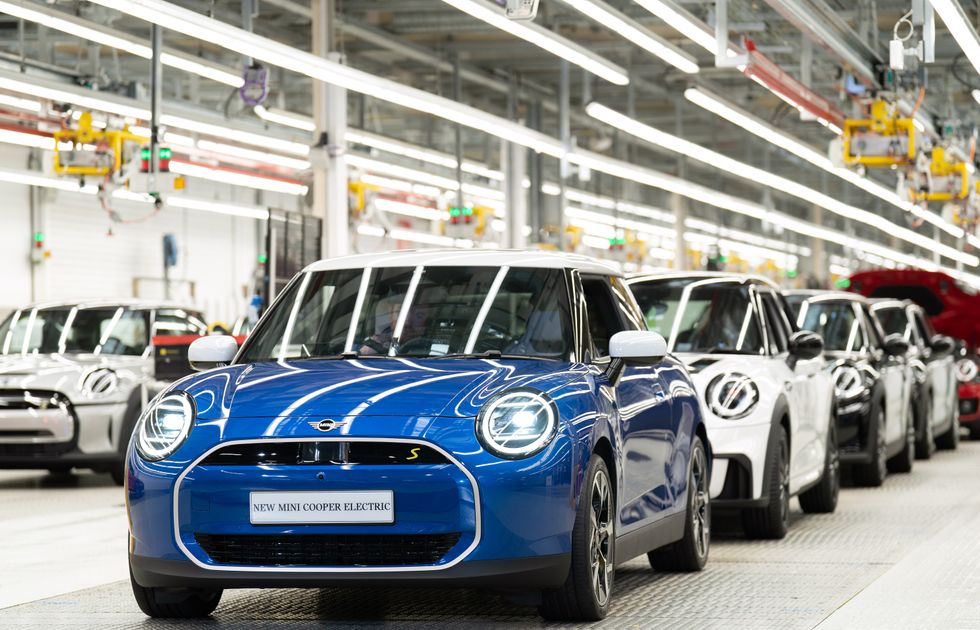
Sales of new petrol and diesel cars in the UK will be banned in 2030
| PAResearch from the transport campaign group appeared to show that requiring large manufacturers to have 75 per cent of new cars by 2030 to be electrified would have a huge impact.
It stated that at least 1.2 million locally produced electric vehicles could be produced by the end of the decade, provided there are "made-in-EU requirements".
Former Prime Minister Rishi Sunak announced that the UK would be following in the footsteps of the European Union by implementing a 2035 deadline.
This was scrapped by Prime Minister Keir Starmer, who reinstated the original 2030 deadline, although plug-in hybrid sales will be allowed until 2035.