









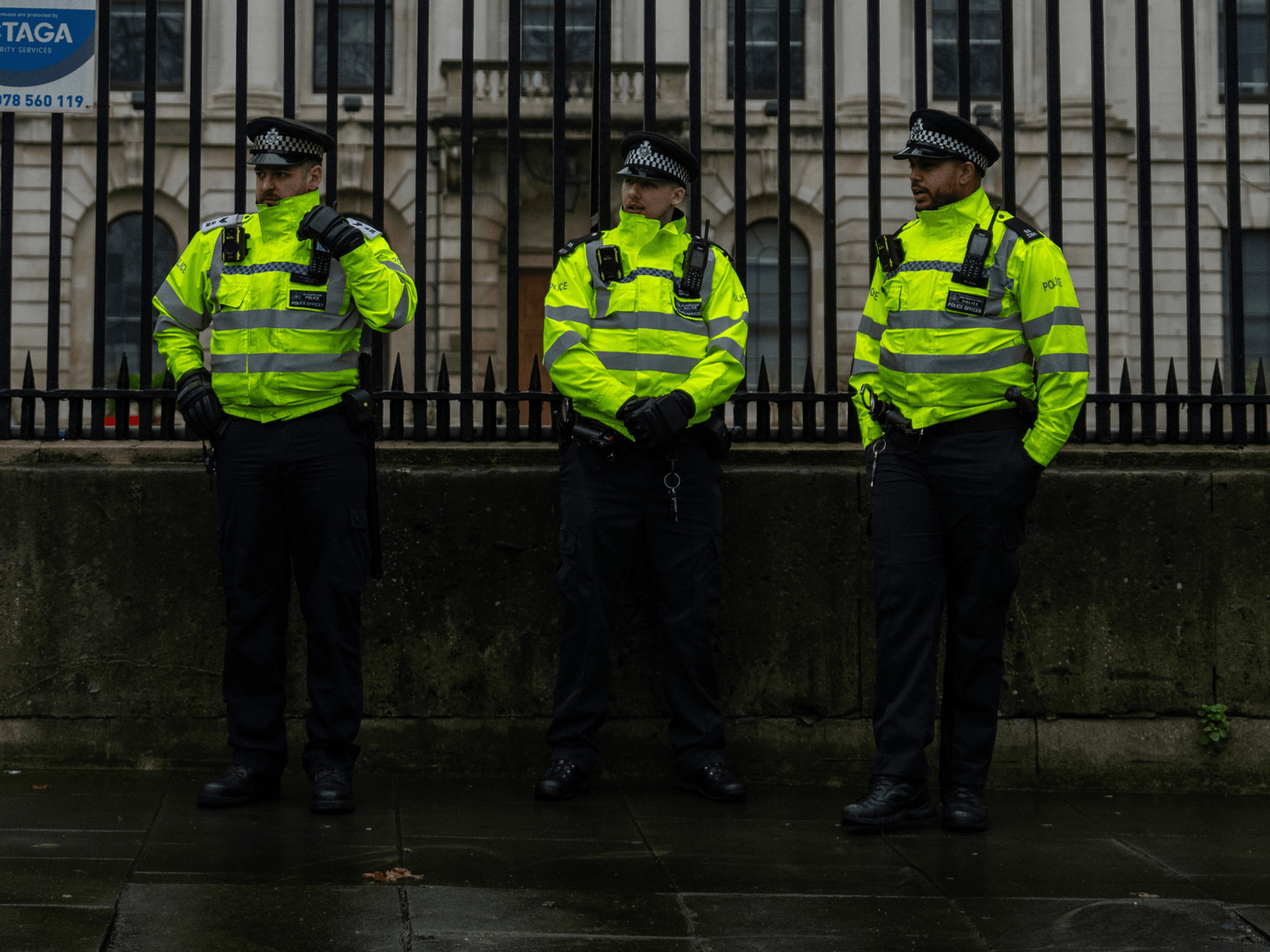
Labour has been urged to introduce a new Highway Code awareness campaign for drivers after growing road safety concerns.
Cycling UK has called on the Government to launch a national road safety campaign to help drivers refamiliarise themselves with the updated Highway Code rules.
The need for action comes four years after sweeping changes to the Highway Code, which introduced tougher rules to improve road safety.
The move marked one of the most significant shifts in road safety guidance in decades, but critics have now warned that the changes were never properly explained to the public, leaving confusion, frustration, and unsafe behaviour behind the wheel.
Cycling UK has urged ministers to fund a new national road safety awareness campaign, similar to the long-running THINK! adverts, to remind drivers of their responsibilities under the revised Highway Code.
The charity argued that without proper education, changes on paper mean little on the road.
At the heart of the reforms in 2022 was the so-called "hierarchy of road users," which places greater responsibility on those driving larger, heavier vehicles to reduce danger to more vulnerable road users.
The update also strengthened guidance on overtaking cyclists, promoted the "Dutch Reach" to prevent car door collisions, and clarified priority at junctions.
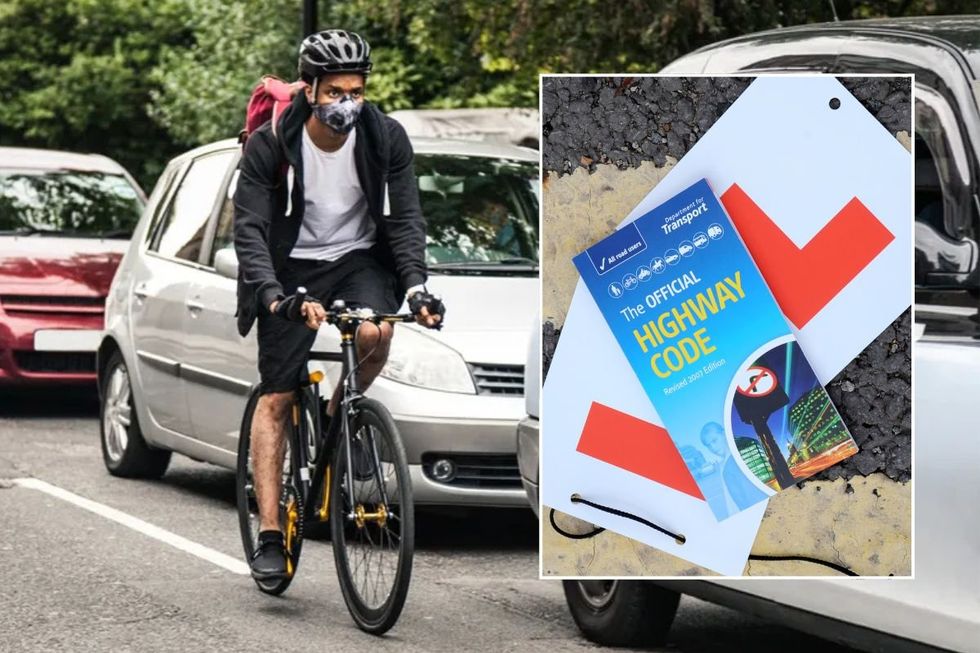
Cycling UK is urging drivers to refresh their knowledge of the Highway Code
| GETTY/PADespite these changes, Cycling UK said awareness remains patchy at best, a concern echoed by MPs during a parliamentary debate on women's safety while walking and cycling.
Greg Smith, MP for Mid Buckinghamshire, told the House of Commons: "One request from Cycling UK and a range of other road safety organisations is to improve understanding of the 2022 changes to the Highway Code.
"These organisations have been clear about welcoming the changes as an important step in improving the safety of pedestrians, cyclists and other road users, but the knowledge gap remains in the public's awareness of these changes."
Spending on the Government's road safety campaign body has fallen by around two-thirds since 2019, according to Cycling UK, even as ministers commit to a "safe systems approach" in the newly published Road Safety Strategy.
LATEST DEVELOPMENTS
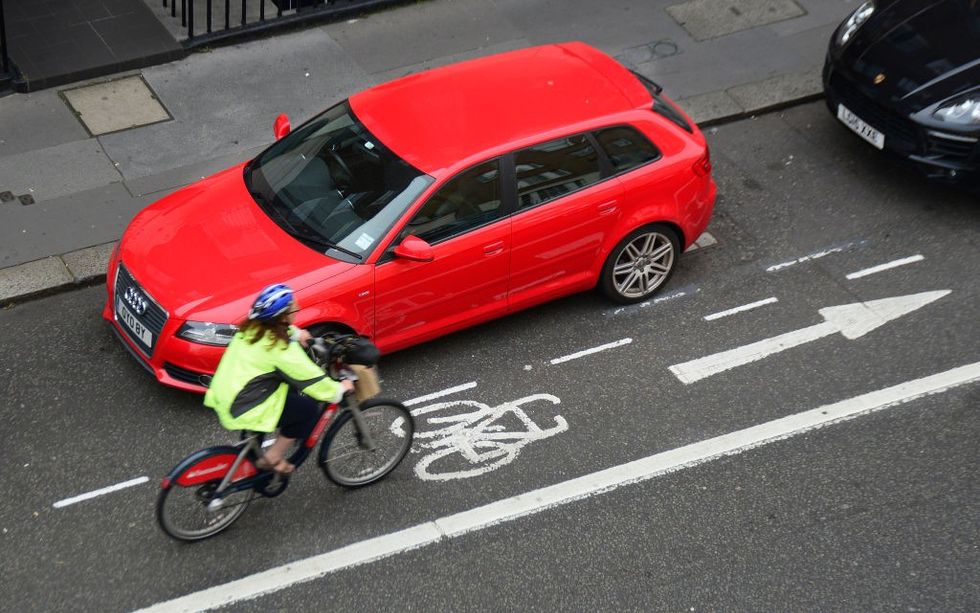 Thousands of cyclists are seriously injured across the UK every year | GETTY
The strategy itself acknowledged the need for a "lifelong learning approach" to road safety; a phrase campaigners said quietly admits the public has not been adequately informed.
While the Department for Transport figures showed cycling levels have risen by more than a third since 2004, progress on safety has stalled. In 2024, 82 cyclists were killed on UK roads while more than 3,800 were seriously injured.
Sarah McMonagle, Director of External Affairs at Cycling UK, said: "We can't expect people to follow rules they don't know about. What we need is a balanced approach to improving road safety that combines education, prevention and enforcement of the rules.
"It's important we clearly explain why these changes came into action and how they work to protect people walking to the shops or cycling their children to school."
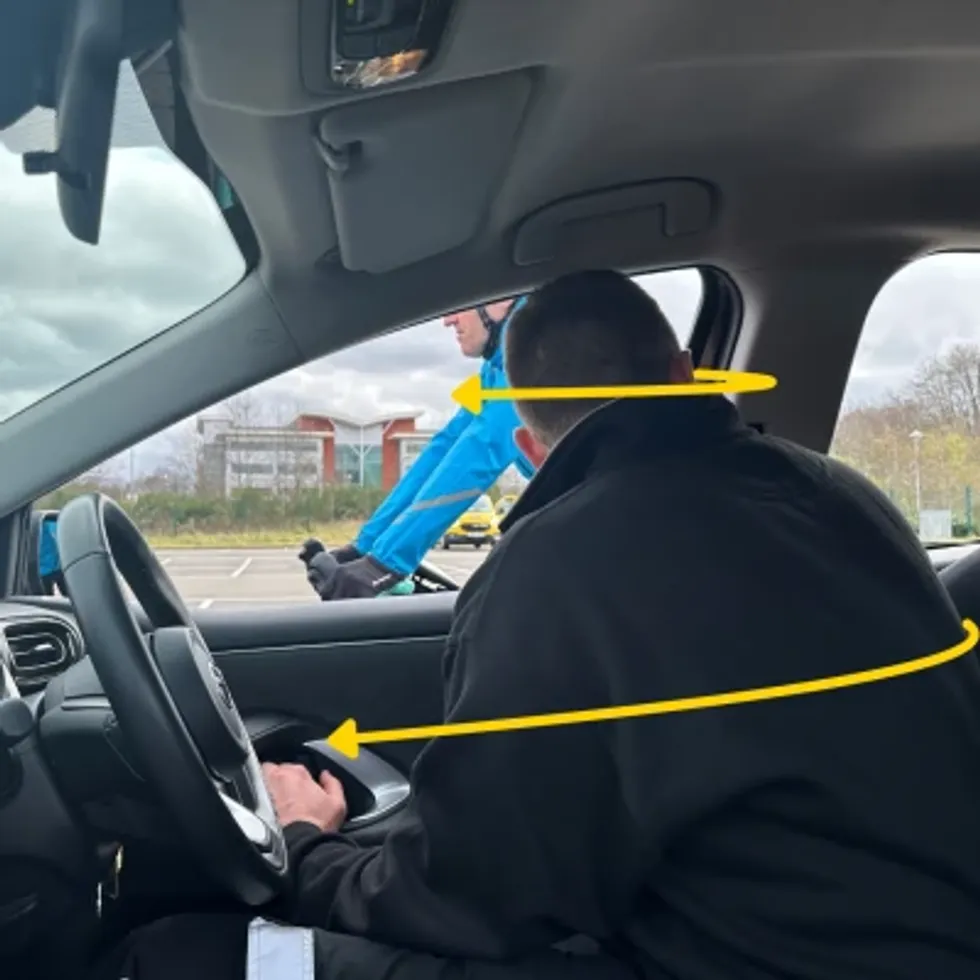
The Dutch Reach was included in the Highway Code update four years ago
| AASteve Cox, a 70-year-old retiree from Bristol,explained how he had counted nearly 60 occasions last year where drivers overtook him too closely.
He said: "I think the updates to the Highway Code are great because they've given people more confidence to cycle because of things like the hierarchy of road users, but not enough people know about it.
"I don't use the bike to get to work anymore because I'm retired, but I do use it to run errands or enjoy some leisure time outside. It's a great way to keep fit later in life, but we need to make it safer for everyone."
While reporting systems for careless or dangerous driving have expanded in recent years, Cycling UK argued that enforcement alone cannot change behaviour.