










Fuel duty income for the Treasury has dipped slightly over the past year, as drivers cut back and more people switch to electric cars.
New figures from HMRC show fuel duty receipts between April 2025 and March 2026 totalled £24.3billion, down £100million compared with the same period the year before.
Experts explained the drop reflects changing habits on the roads, as well as growing pressure from high energy costs.
Sheena McGuinness, Co-Head of Energy and Natural Resources at RSM UK, said the figures point to a longer-term shift away from petrol and diesel.
TRENDING
Stories
Videos
Your Say
She said: "The downtick in fuel duty revenue shown in today's data is indicative of a longer-term shift to electric vehicles."
But she added global tensions are also playing a role, with rising fuel prices forcing people to rethink how much they drive.
"With the ongoing conflict in Iran causing concerns over fuel shortages and spiking prices, the downtick may also be driven by consumers beginning to limit their vehicle usage to necessary journeys," she said.
Fuel duty makes up a large chunk of what drivers pay at the pump, more than half in many cases. So, in theory, rising fuel prices should lead to higher tax revenues.
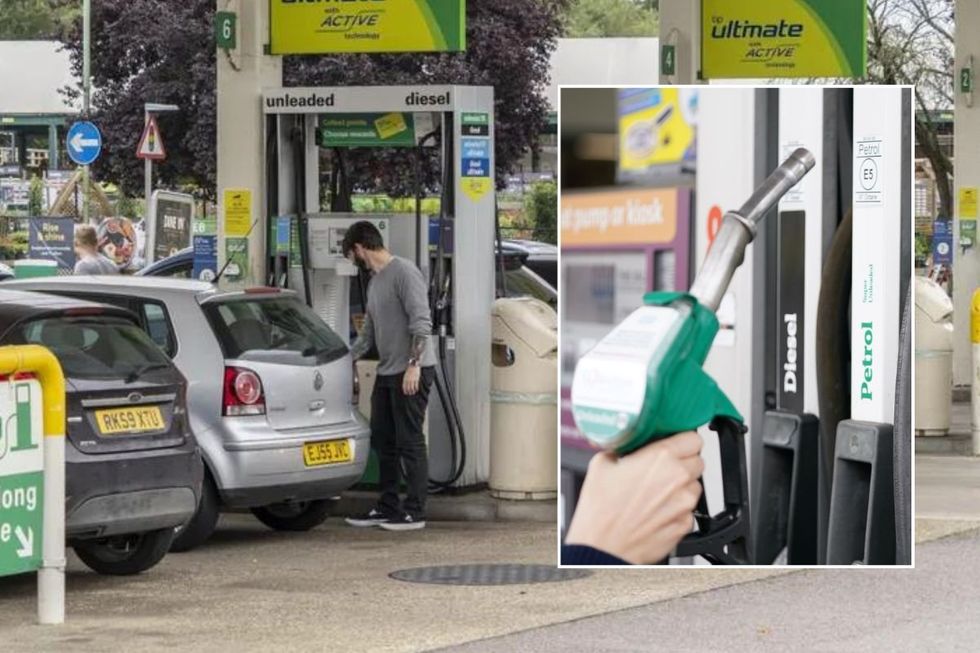
Labour announced the fuel duty freeze would end following the need to balance revenues
| GETTYMs McGuinness explained: "Given the rising fuel prices, and with fuel duties comprising over 50 per cent of the pump price in the UK, logic would dictate that the fuel duty revenues would increase… As such, the decrease in revenues shows a clear reduction in fuel usage."
There are warnings, however, the trend could reverse if prices continue to surge due to global instability.
"With the onset of the war in Iran driving significant and sustained hikes in fuel prices, the downward trend… could reverse in future months," she said.
Even so, any increase in tax income is unlikely to ease the wider strain on households and businesses.
LATEST DEVELOPMENTS
 The 15-year fuel duty freeze was extended at the Autumn Budget | PA
Ms McGuinness warned: "This is unlikely to provide much relief to the economy when set against the wider backdrop of price inflation and cost pressures… with some suppliers adding a fuel duty supplement to their service charges, including the services provided to schools and hospitals."
The figures come just days after the Government announced plans to protect households and firms from volatile gas prices.
The proposal aims to weaken the link between gas and electricity prices, something ministers hope will stabilise bills.
But the expert cautioned that the plan may not deliver quick results. She said it "could be complex and could deter investment into renewables if the competitive advantage is undermined – slowing the UK's energy transition".
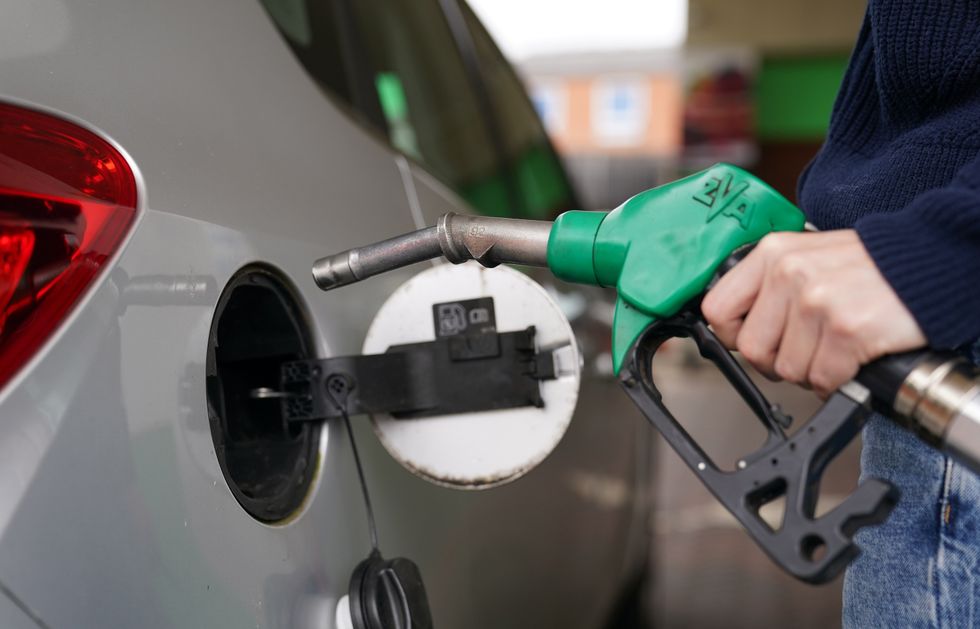 The 5p fuel duty cut was introduced after Russia invaded Ukraine in 2022, but is set to be reversed later this year | PA
She also warned: "The plans may not impact bills in the short-term, so wouldn't tackle the immediate cost of living squeeze."
Looking ahead, a planned rise in fuel duty later this year could add further pressure. "Delaying plans for fuel duty to increase in September would offer some respite," she said.
However, she suggested that future headwind could incentivise some to switch to EVs, accelerating the transition to zero emissions motoring.
The broader issue, according to Ms McGuinness, is the UK's reliance on imported energy, which highlights the UK's "vulnerability to global energy price increases as a net importer of energy".
Our Standards: The GB News Editorial Charter