










A leading British company has confirmed that it will accelerate the development of solar panels that are designed to improve the range of electric vehicles.
Oxford Photovoltaics (Oxford PV) has joined the SUITE (Smart Use of Integrated Technology for EV) project, which is supported by the Advanced Propulsion Centre UK (APC).
SUITE recently received funding from the Department for Transport's DRIVE35 Collaborate programme, which is aiming to accelerate solar innovation for electric vehicles.
Oxford PV will continue its work to design solar technology that provides high performance at a low weight for zero emission vehicles.
Solar panels can be integrated into electric cars in many parts of the vehicle, including the bonnet, boot and most prominently, the roof.
By integrating high-efficiency perovskite solar cells, electric vehicles can benefit from the high power density and lightweight format, without adding additional stress to the car.
David Ward, CEO of Oxford PV, said: "We are excited to be working with such a strong consortium of automotive and technology partners on the SUITE project.
"Perovskite photovoltaics offer a step change in solar performance and open up new possibilities for vehicle-integrated solutions.
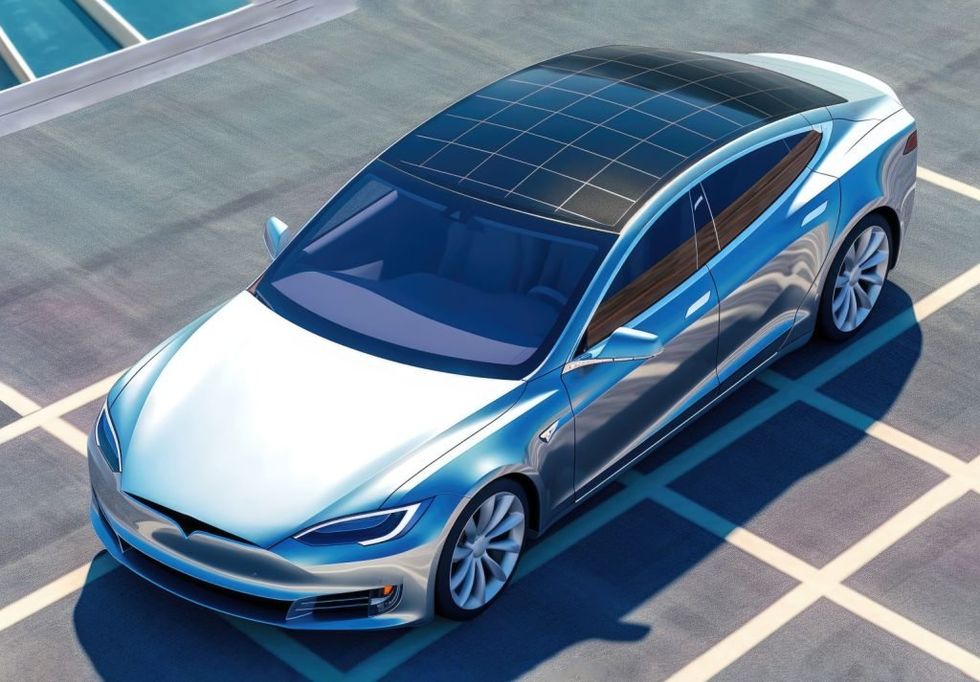
Oxford PV has partnered with the APC-backed SUITE Project to develop solar-powered electric vehicles
|OXFORD PV
"This collaboration allows us to bring our technology leadership to a new class of applications that can deliver real-world benefits for electric mobility."
The SUITE programme, in collaboration with APC and Onnovate UK, also works with Nissan Technical Centre UK and leading universities across the country.
Mr Ward emphasised that the new partnership would "combine cutting-edge PV technology with automotive grade design and manufacturing expertise".
"We’re proud to contribute to a project that supports the UK’s net zero ambitions while advancing the performance and sustainability of future transport," he said.
LATEST DEVELOPMENTS
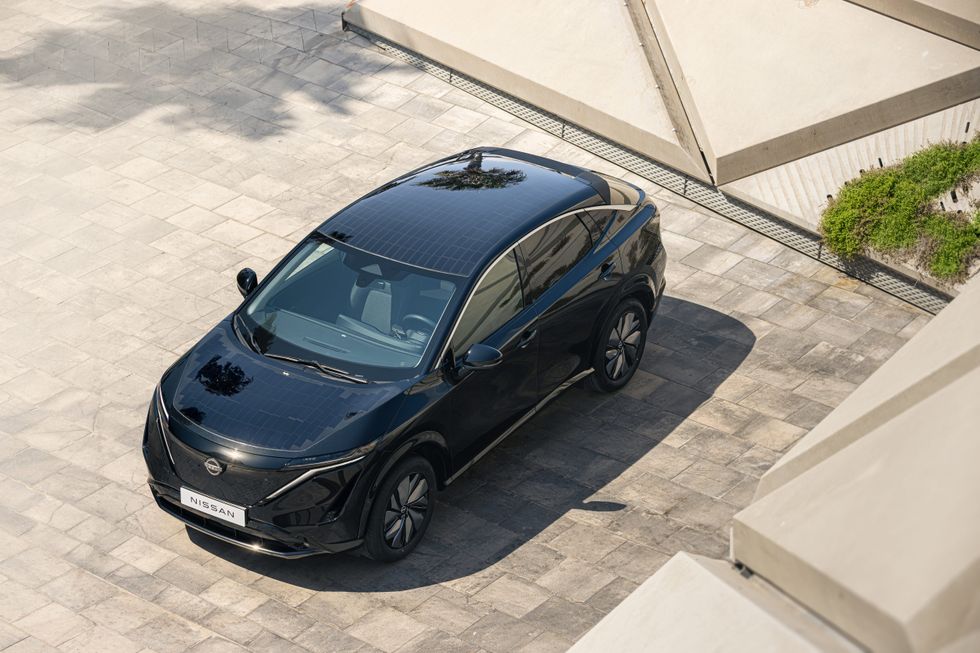
Nissan debuted a solar-powered Ariya concept car earlier this year
|NISSAN
Nissan has also debuted the technology with its Ariya concept, equipping it with custom solar panels that convert sunlight directly into DC power.
Real-world testing of the technology showed that a bright, sunny day would deliver up to 23km of additional range, further adding to the benefits of an electric car.
While actual totals may vary, year-round averages show that drivers in London could gain an extra 10.2km per day.
Other cities would bring larger benefits with more sunlight exposure, including 18.9km/day in New Delhi and 21.2km/day in Dubai.
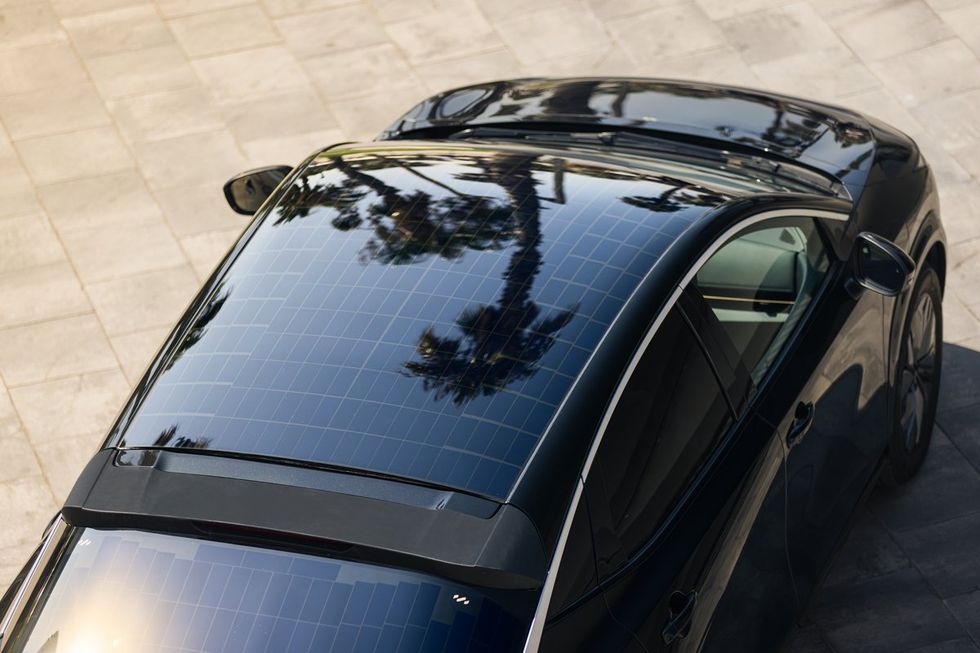 Nissan aims to become a carbon-neutral company by 2050 | NISSAN
With this technology equipped, motorists could reduce their charging frequency by between 35 and 65 per cent, depending on their usage.
The Ariya was tested between the Netherlands and Barcelona, Spain, and revealed that the average driver travelling 6,000km a year could cut their charging visits down from 23 to just eight.
Shunsuke Shigemoto, Vice President of ePowertrain Technology, Research and Advanced Engineering atNissan, said: "The solar‑powered Ariya concept embodies Nissan's belief that innovation and sustainability must move forward hand‑in‑hand.
"By exploring how vehicles can generate their own renewable energy, we are opening the door to new opportunities for customers - greater freedom, reduced charging dependency, and a cleaner future.
"This concept is not just a technical milestone; it's a vision of how Nissan intends to lead the next phase of electric mobility."