










Experts have urged governments to stick to electric vehicles and other net zero policies after spending almost €200billion (£173billion) on transition efforts.
New data shows that the European Union has already committed almost €200billion (£173billion) to electric vehicles, batteries and charging infrastructure.
It comes as politicians call for electric vehicle targets to be watered down, as seen by the recent policy change across the European Union.
In December last year, the EU axed its previous target to ban the sale of new petrol and diesel vehicles by 2035, opting for a softer approach instead.
Under the new rules, from 2035 onwards, carmakers will need to comply with a 90 per cent tailpipe emissions reduction target, with the remaining 10 per cent being compensated through e-fuels and biofuels.
The EU said this would allow for plug-in hybrids, range extenders, mild hybrids, and internal combustion engine vehicles to "still play a role beyond 2035", alongside electric vehicles.
Research from New AutoMotive shows that €60billion (£51.9billion) has been spent on building new automotive plants and retooling existing ones across the continent.
A further €46billion (£39.8billion) has gone to developing the continent's EV charging infrastructure, which now encompasses more than one million devices.
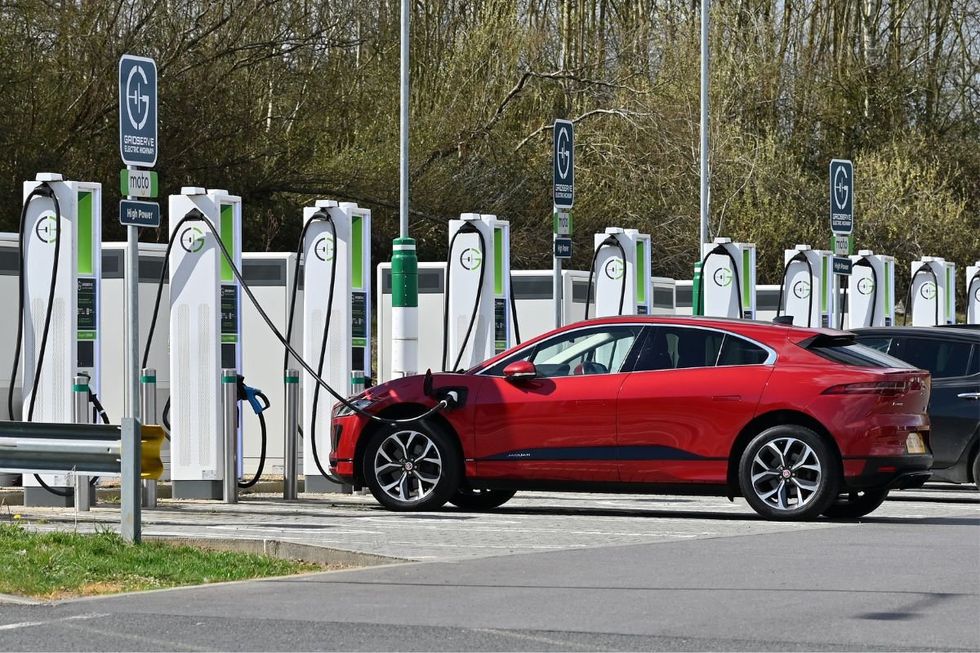
Around €200billion (£173billion) has been invested in the electric vehicle sector across Europe
|GETTY
The largest allocation of EV funding has gone towards the development of batteries and materials, which has received around €109billion (£94.3billion).
New Automotive highlights that when private charging and EV-specific components are included, the continent's total investment spend exceeds €200billion (£173billion).
Chris Heron, Secretary General of E-Mobility Europe, noted that funding for EVs was accelerating, although "political backtracking and constant uncertainty" was creating issues for the industry.
He continued, saying: "Short-term flexibilities to the EU's CO2 framework are under discussion, but they cannot come at the expense of long-term investment certainty.
LATEST DEVELOPMENTS
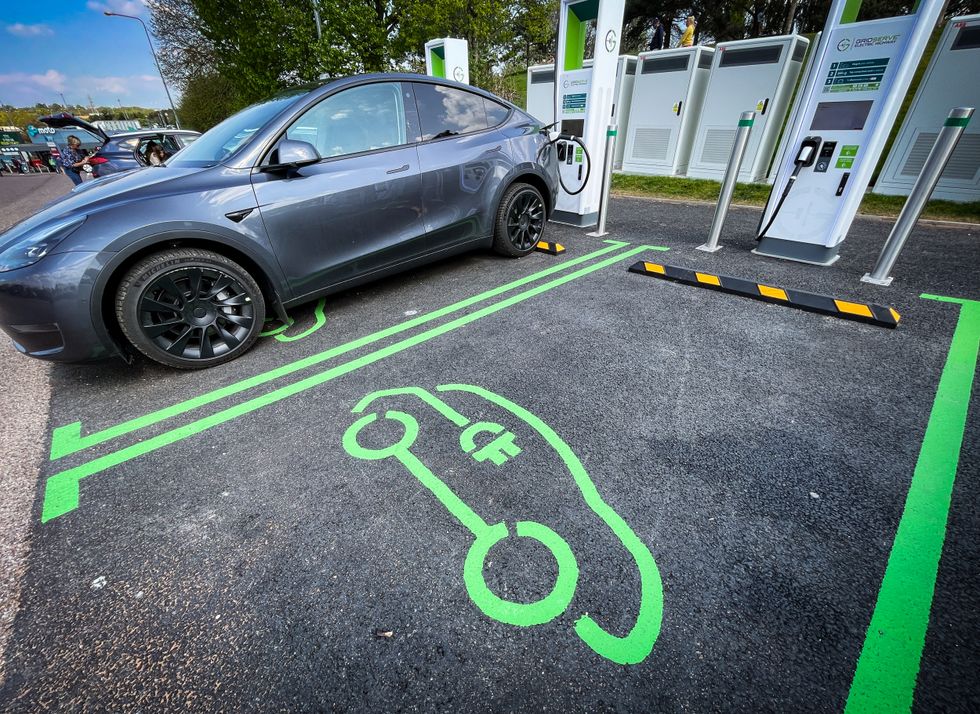
There are more than one million electric vehicle chargers across Europe
| GETTY"Europe needs to deliver its full €200billion (£173billion) investment pipeline to compete globally - and that means maintaining confidence."
Hundreds of billions of pounds worth of funding have supported more than 150,000 jobs across Europe, while a further 300,000 jobs are expected to be announced in the future.
The European Union announced changes to its policies and cited concerns around competitiveness, with the bloc slapping Chinese manufacturers with hefty tariffs to combat what it perceived to be taking an unfair advantage of market conditions.
The report, "Built in Europe: Mapping the EV Economy", emphasises a handful of countries that benefit the most, with almost a quarter of EU funding going to the manufacturing powerhouse of Germany.
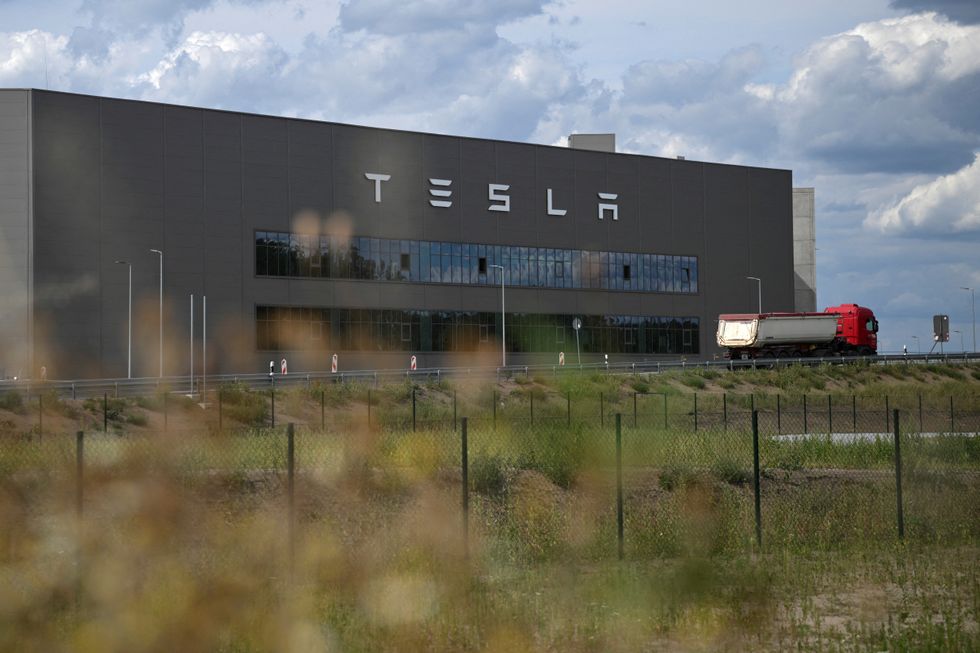
Germany has been the biggest beneficiary of EV investment across Europe
| REUTERSFrance follows with 18 per cent, while Spain and Portugal receive around 12 per cent. Other beneficiaries include central and Eastern Europe (20-25 per cent), the Nordics (10 per cent) and Italy (five per cent).
The report warns that Europe must stay the course with its investment into e-mobility or the continent could be left behind in the transition away from petrol and diesel.
Ben Nelmes, CEO of New Automotive, said: "Europe has made enormous progress in building a domestic EV ecosystem, with investment flowing into regions that stand to benefit most from the transition.
"Maintaining a clear and consistent policy framework will be essential to sustaining that momentum."