










The DVSA has issued a warning to drivers ahead of major changes coming into effect this summer, which will impact popular vehicles.
From July 1, goods vehicles over 2.5 tonnes on international UK-EU journeys for hire and reward must have a smart tachograph 2 fitted.
Drivers who fail to follow the rules of risk prosecution, with the DVSA reminding drivers that bookings for fittings take between four and six weeks on average.
The mandatory full smart 2 tachograph is an advanced digital recording device mandatory for international commercial transport.
It features automatic border crossing registration, Galileo satellite position authentication, and enhanced tamper resistance.
The system ensures compliance with EU mobility rules by tracking driver hours, resting periods, as well as loading and unloading locations.
However, goods vehicles weighing between 2.5 tonnes and 3.5 tonnes that are only used in the UK are not required to have a tachograph fitted.
These rule changes follow new laws which came into effect on December 24, 2025, which require all newly registered goods vehicles to have a full smart 2 tachograph fitted.
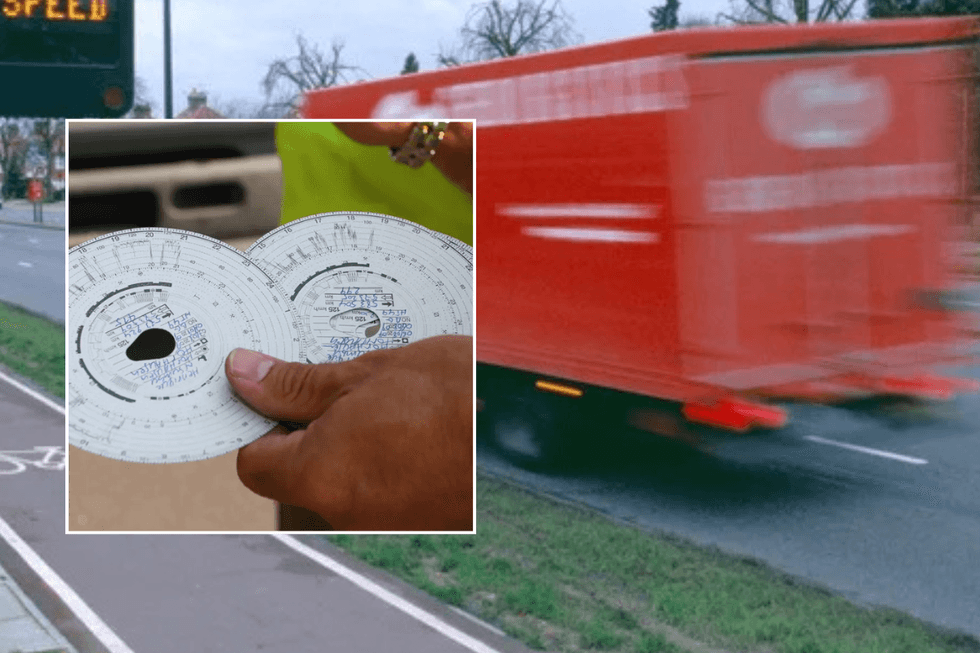
Drivers have been warned to make sure they meet UK rules ahead of the July enforcement date
|GETTY/TRANSPORT SCOTLAND
The DVSA shared: "Analogue tachograph recordings are made by a stylus cutting traces into a wax-coated chart. Three separate styluses mark recordings of speed, distance travelled, and the driver's activity (known as the 'mode').
"The inner part of the chart is used by the driver to write details of their name, location of start of journey, end location, date and odometer readings.
"The reverse of a tachograph chart normally contains an area for recording manual entries and details of other vehicles driven during the period covered."
Matt Candish, head of compliance information at Logistics UK, urged all fleet operators to ensure the new rules are followed properly ahead of the July date.
LATEST DEVELOPMENTS
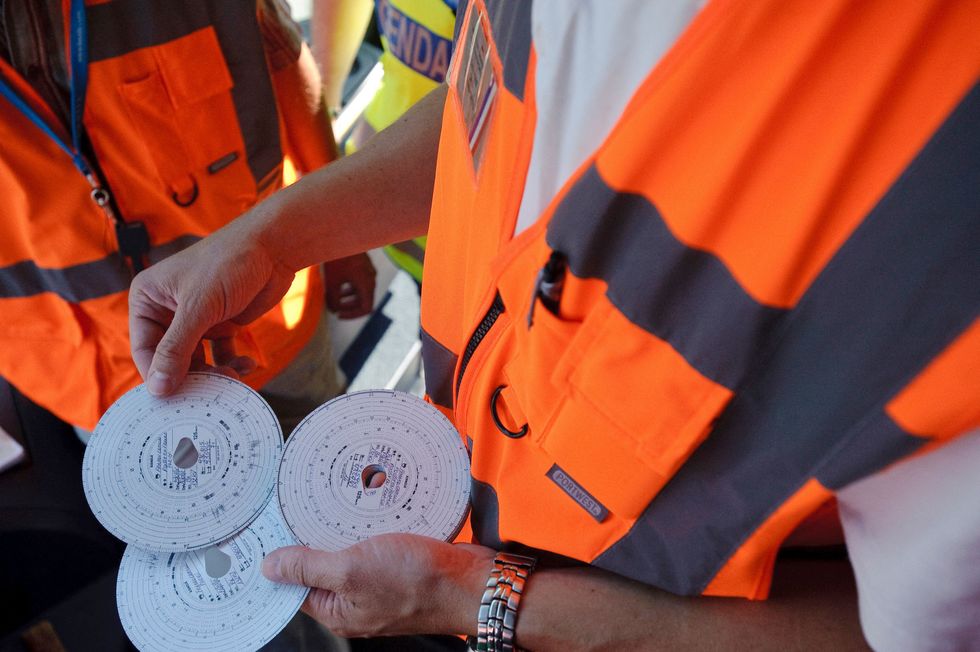 Most commercial vehicles now have digital tachographs | GETTY
This includes a "review" of journeys, vehicles and drivers to ensure they are up-to-date with the new regulations on international trips.
He said: "This also includes operators in Northern Ireland with vehicles over 2.5 tonnes entering the Republic of Ireland, as they will also need to have an ST2 installed.
"It is important to check operations now, and delaying any further could mean long waiting times to get devices fitted and risk not being compliant with the potential for fines and disruption."
Under UK laws, motorists must not drive more than nine hours in a day, 56 hours in a week, or 90 hours in any two consecutive weeks.

Further tachograph rule changes will be introduced in July
| PADrivers must also have at least 11 hours of rest every day, but the DVSA noted that this can be reduced to nine hours of rest three times between any two weekly rest periods.
The DVSA warned that drivers who break the hourly rules may be prosecuted or fined, with penalties for serious or dangerous offences including a prohibition notice, for serious or dangerous offences as well as a fixed penalty.
Motorists could also risk having their vehicle immobilised if it's a danger to road safety, with them needing to pay to fix the problem, as well as pay a release charge.
Other penalties include an offence rectification notice, which is handed to drivers for offences that are not a risk to road safety, but in less severe cases, drivers can be given a verbal warning for minor offences.