









Experts have urged drivers to ignore myths about electric cars as millions of motorists begin to consider ditching their petrol and diesel vehicles in the new year.
Drivers across the UK will be considering new and second-hand EVs as their next car, as running costs continue to fall and manufacturers slash prices.
Despite the significant increase in electric car adoption, many myths surrounding EVs persist, with experts warning that drivers may be put off by beliefs that do not align with reality.
One of the most common myths associated with electric cars is range anxiety, with new data from char.gy and YouGov showing that 71 per cent of drivers saying they would worry about running out of charge.
However, most electric cars now offer between 250 and 300 miles of range per charge, while many premium models exceed 400 miles.
Experts also point out that the vast majority of drivers do not travel hundreds of miles a day, with this being an occasional trip, rather than a daily occurrence.
While they may need to stop more regularly to charge their vehicles on a long road trip, doing so will make their journey safer, since drivers are advised to stop every few hours anyway.
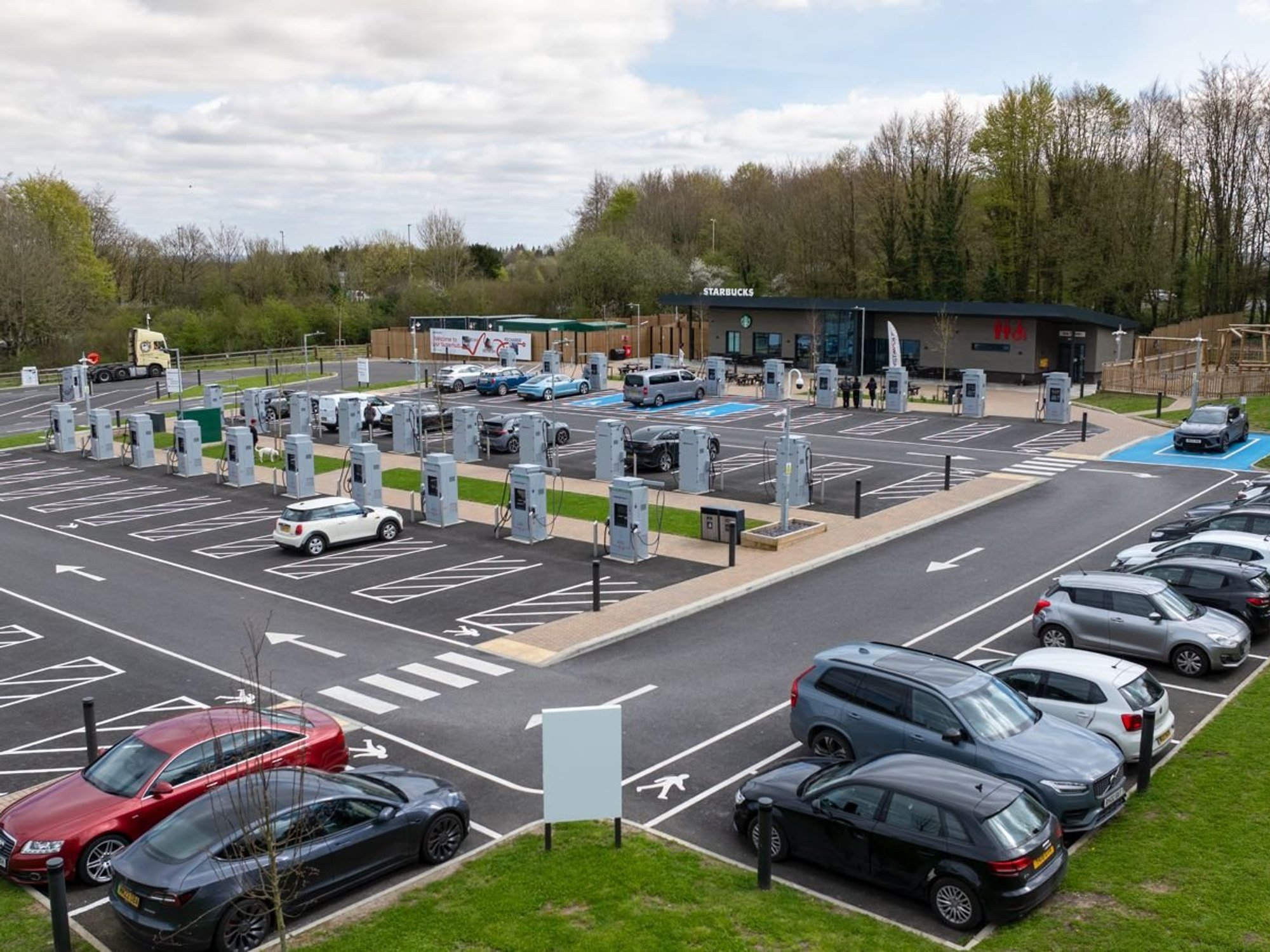
Another common concern is around charging. Data from Zapmap shows there are 87,168 public charging devices across the UK at more than 44,000 locations.
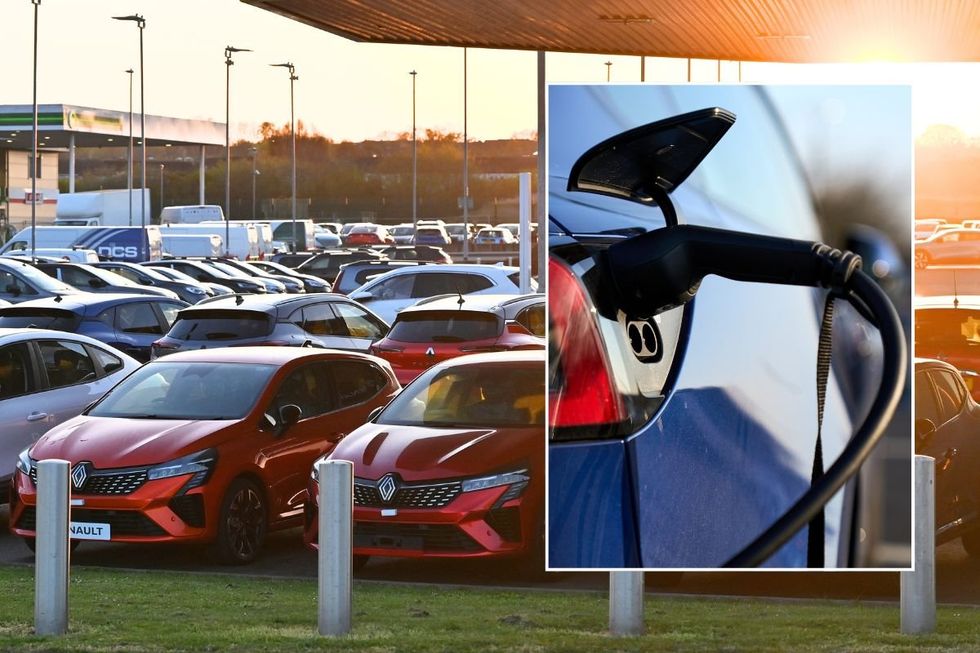
Experts have debunked several myths that are preventing drivers from investing in electric cars
| GETTY/PAOf these, 17,829 are rapid or ultra-rapid devices, allowing drivers to recharge their vehicles in a matter of minutes.
Even if drivers do not have access to a charger at home, they can easily recharge at work or when doing their weekly shop at the supermarket.
One of the UK's largest charge point operators, char.gy, is working with councils to install thousands of kerbside chargers, with more than 4,000 installed as of late 2025.
Lamppost chargers are becoming far more common, particularly in urban areas, where motorists likely won't have a driveway, with around 40 per cent of households falling into this bracket.
LATEST DEVELOPMENTS
The UK Government has also backed measures to strive for 300,000 public chargers by the end of the decade to support the uptake of electric cars.
John Lewis, CEO of char.gy, noted that most drivers don't need to be persuaded, but rather informed about what is fact and what is fiction.
He said: "Once people understand the facts - how batteries age, the cost of overnight charging, or the availability of kerbside networks - their apprehension drops sharply.
"Myths, not technology, are holding this transition back. If we improve public confidence, we accelerate adoption."
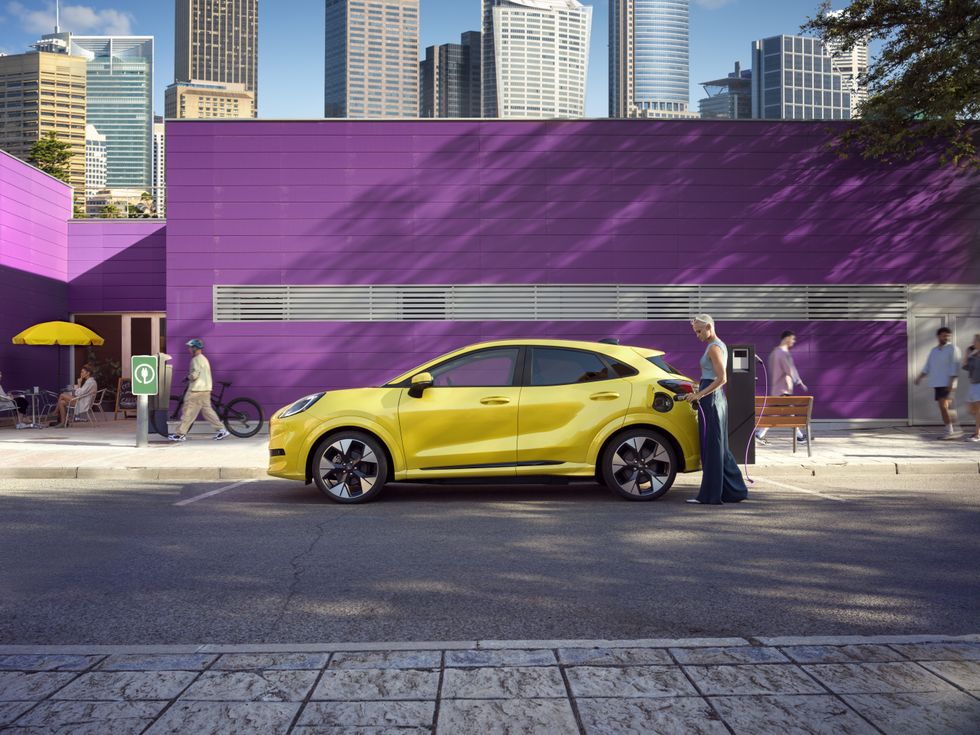 The Ford Puma Gen-E is one of eight models eligible for the maximum £3,750 Electric Car Grant incentive | FORD
Research from char.gy and YouGov shows that modern EV batteries typically last between 10 and 15 years. Even after 150,000 miles, the battery only degrades between 10 and 15 per cent.
Labour is also helping boost uptake of cleaner vehicles through the Electric Car Grant, which was given an extra £1.3billion by Rachel Reeves in the Autumn Budget last month.
The incentive scheme allows motorists to save up to £3,750 off the list price of a new electric car worth up to £37,000, with more than 40 models now eligible.
Some of the most popular brands and models are included, such as the electric version of the UK's best-selling car, the Ford Puma, as well as the Volkswagen ID.3 and Mini Countryman.