








Charging an electric car in public is now cheaper than filling a tank with petrol for most drivers, as experts call for "urgent" actions to be taken to ensure the transition away from fuel is completed.
Fresh analysis from ChargeUK shows that charging an electric car on the UK's public charging network is lower on average than petrol and diesel for the first time.
Average public charging prices have jumped by 38 per cent between 2021 and 2025, but have been overtaken by the surge in fuel prices since the war in Iran.
Given the national average cost of 54p per kWh at a standard public charger, electric car owners will be paying around 15p per mile.
In comparison, a petrol car owner will be paying around 17p per mile, with diesel drivers paying 0.5p per mile more.
Even drivers who are charging on an 80-20 mix of standard and rapid public charging will only pay around 16p per mile.
The data found that only a small minority of electric car owners who exclusively use ultra-rapid public chargers will pay more than for fuel.
The latest data from RAC Fuel Watch shows that motorists are paying an average of 157.34p per litre for petrol and 189.88p for diesel.
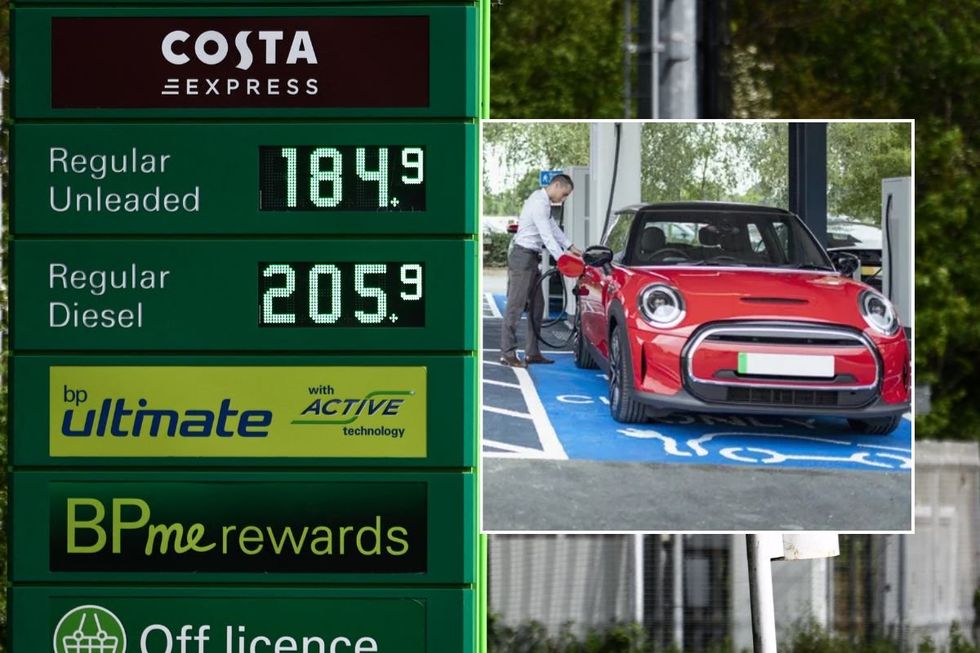
Charging an EV in public is now cheaper than filling up with fuel
|GETTY
While drivers have seen a slight fall in fuel prices since their peak in mid-April, they are still forking out around 25p more for petrol and 47p for diesel since the start of the conflict in the Middle East.
Experts have highlighted the benefits on offer for motorists who switch to electric cars while fuel prices remain expensive.
Further savings can be achieved from those who have the ability to charge their EVs from home, with off-peak prices lowering the per-mile cost to a few pence.
ChargeUK is calling on the Government to take action against measures holding drivers back from investing in electric vehicles.
LATEST DEVELOPMENTS
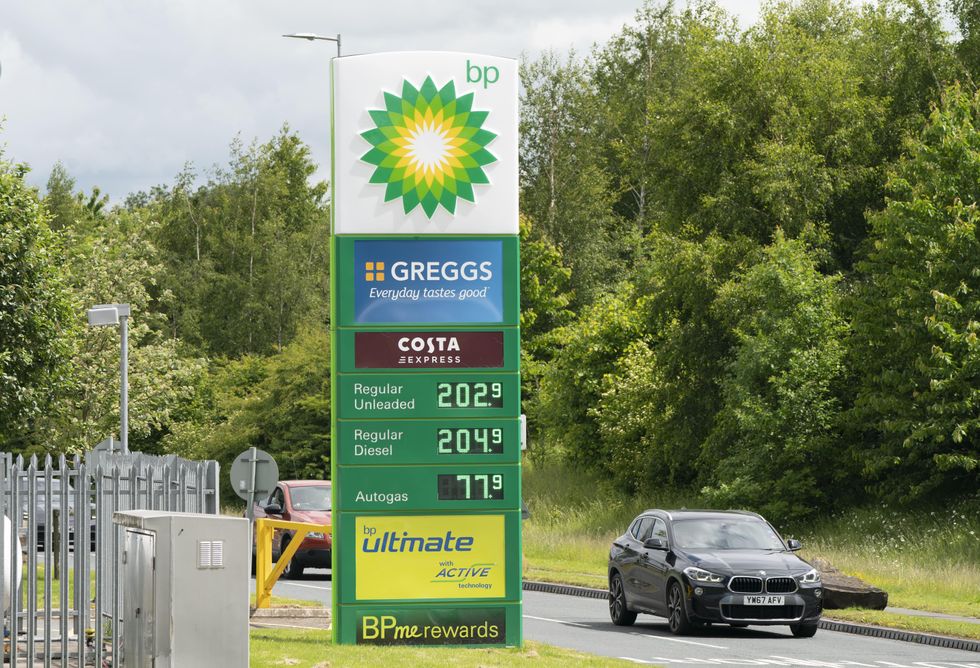 Petrol and diesel prices recently soared to their highest price in more than three years | PA
It outlines that petrol and diesel drivers are at the mercy of global events when it comes to fuel prices, while EV charging prices are "largely inflated by policy costs".
Vicky Read, chief executive of ChargeUK, said: "While this is not how we wanted to see the gap between public EV charging and petrol prices closed, it once again demonstrates the urgent need to make driving an EV more affordable for all.
"We need to see Government take control of the situation to ensure the numbers stack up not just in a time of global crisis, but for the long term.
"The cost pressures currently pushing up public EV charging prices are largely within the Government's grasp, whereas the global pressures pushing up petrol and diesel prices are not."
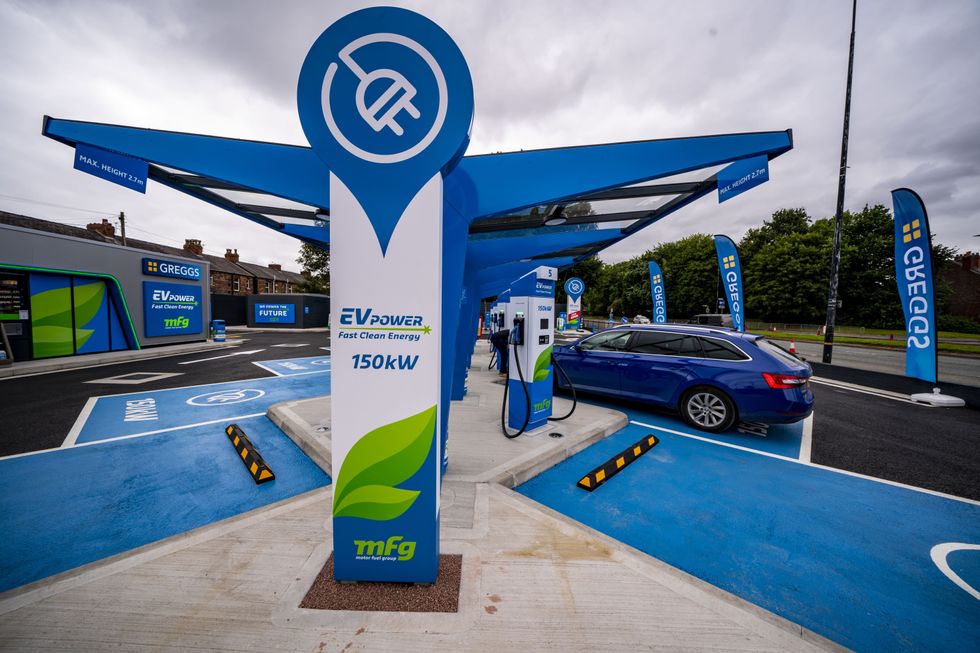
HMRC has vowed to appeal a VAT ruling that could impact public charging prices
| PAThere have been calls for public charging costs to be reduced by slashing the VAT rate on the electricity from 20 per cent to just five per cent, to match the rate applied to home chargers.
HMRC has applied to appeal a Tax Tribunal ruling, which called for VAT rates to be lowered, which sparked backlash from the motoring industry.
Simon Williams, head of policy at the RAC, called on the Government to address VAT rates to incentivise the switch to electric.
This was echoed by Melanie Shufflebotham, co-founder and COO of Zapmap, who said: "In the UK, we still have the highest public charging costs in Europe, and we welcome all measures to tackle this to help progress the transition to sustainable transport."