









Labour's electric vehicle rollout risks leaving millions of drivers behind after local councils warned they cannot guarantee accessible charging for disabled people.
Local authorities have stated they are struggling to install EV charge points that work for everyone, with narrow streets, limited space and a lack of clear guidance from the Government all slowing progress.
New research by Believ found more than half of councils (53 per cent) viewed balancing accessibility with space constraints as a major challenge.
In London, the problem is even worse, with 90 per cent of boroughs reporting difficulties.
Councils shared how tight residential roads, narrow pavements and competing demands for parking and public space are making it harder to install chargers that meet accessibility needs.
TRENDING
Stories
Videos
Your Say
At the same time, many town halls said they are being left to figure things out on their own. The report found 42 per cent of councils across the UK, and 60 per cent in London, are calling for clearer guidance from central Government.
This comes as around 1.35 million disabled drivers in the UK face the prospect of relying more heavily on public charging as the shift to electric vehicles accelerates.
Despite this growing need, progress has been patchy. While 60 per cent of councils said they have or are working on accessibility plans, four per cent admitted they are not considering disabled access at all.
A further 37 per cent said they are unsure whether their current charging networks meet accessibility requirements.
Guy Bartlett, chief executive of Believ, warned urgent action is needed to avoid excluding drivers.
"As the EV transition gathers pace, we must ensure no driver is left behind," he said.
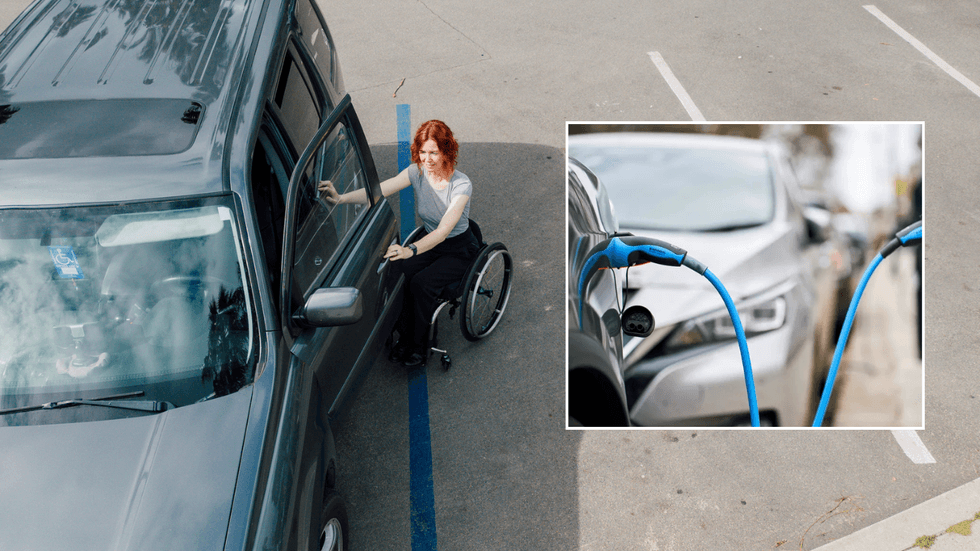
90 per cent of boroughs in London have reported issues with installing specific EV chargers
|GETTY/PA
He added that while some councils are making efforts, many are being held back by practical realities preventing them from making progress.
"Some local authorities are working hard to expand accessible charging provision, but many are facing real-world constraints, particularly where streets are narrow and space is limited," he said.
"Our research shows that local authorities are currently unclear on best practice; this needs to change," he said.
But the expert explained that guidelines aimed at improving accessibility already exist. In 2022, the British Standards Institution introduced PAS 1899, a voluntary standard designed to make EV charging easier for people with a range of needs, including requirements on layout, space and usability.
LATEST DEVELOPMENTS:
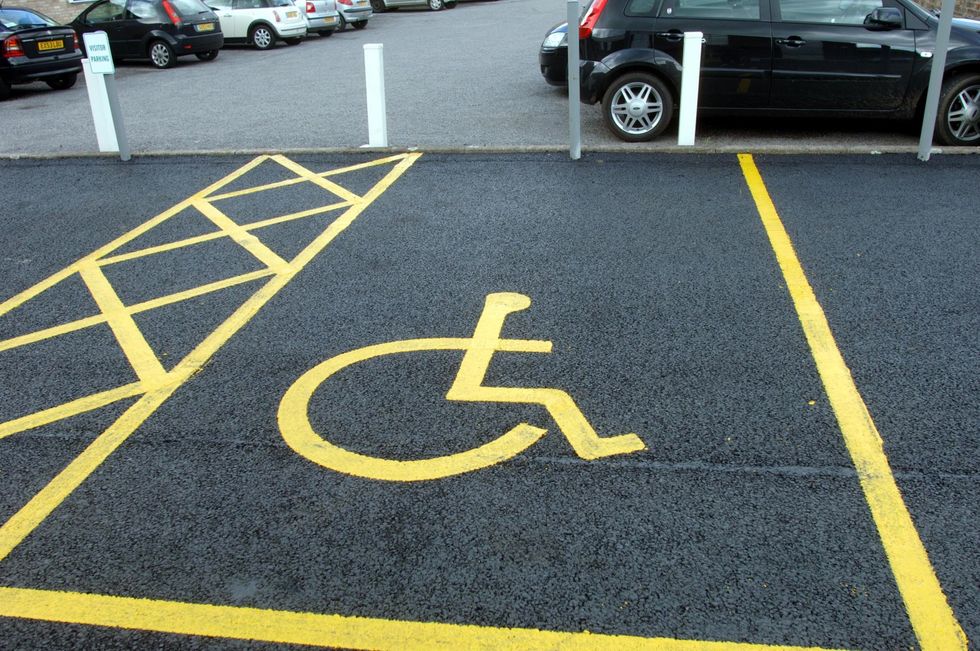
Drivers with disabilities risk being unable to charge electric vehicles
| PAHowever, because the rules are not mandatory, councils and charge point operators are not always applying them consistently.
Mr Bartlett said the answer is not to water down accessibility standards, but to give councils clearer direction and support.
"While the solutions are not always straightforward, they are available," he said.
"So, the answer is not to compromise on inclusion, but to provide the guidance and support councils need to implement accessibility confidently and consistently."
The report also highlighted the need for more practical advice tailored to different environments, especially for on-street charging, where space is often limited.
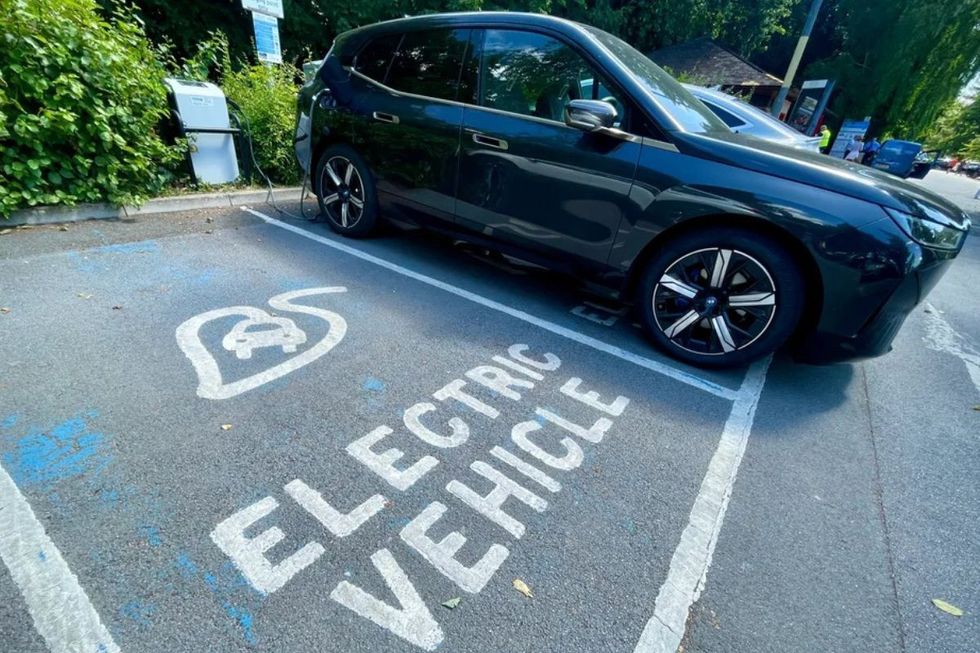
Experts warned that red tape for electric car adoption risks alienating certain drivers
| GETTYBeliev has already been working with councils in East London, including Waltham Forest, Newham and Redbridge, to trial new designs for on-street charging bays aimed at improving accessibility.
These schemes involve working closely with residents and disability groups to identify barriers and test solutions.
"Cleaner air and lower emissions should benefit everyone," Mr Bartlett added.
He said: "We want to see the outcomes translated into practical improvements on the ground, backed by clearer guidance for local authorities, so that accessible charging becomes standard, not exceptional."
Councils have now begun urging ministers to act quickly, warning that without clearer rules and support, the EV rollout could deepen inequalities rather than solve them.