










Labour-run Ealing Council has launched a public consultation on plans to charge utility companies for digging up some of the borough's busiest roads.
The proposed "lane rental" scheme would see firms pay daily fees to carry out roadworks on key routes, with the council saying the aim is to cut congestion and reduce disruption for drivers, businesses and residents.
People living and working in Ealing have until midnight on Monday, February 23, to give their views on the new road charges.
If approved, the scheme would allow the council to charge companies such as water, gas and telecoms providers for occupying road space while carrying out works. The busier the road, the higher the charge.
TRENDING
Stories
Videos
Your Say
The council said too many roadworks are poorly planned, last longer than necessary and cause repeated disruption on the same streets.
Under the proposals, the maximum charge would be £2,500 per day per road, though lower fees would apply on less busy routes.
The idea was to encourage companies to plan work better, finish faster, and avoid digging during peak travel times. Charges would only apply during designated "traffic-sensitive" periods.
Companies that carry out work overnight or at quieter times would avoid paying fees altogether. The scheme would sit alongside existing permit systems already used to manage street works.
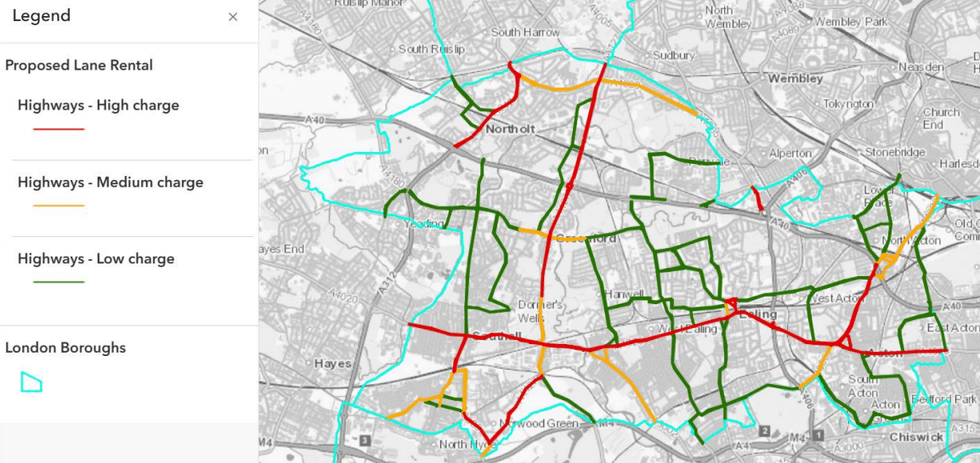
The plans would see companies charge based on which road they need to close for improvements
| PAAt first, the lane rental network would cover around 14.7 per cent of Ealing's roads, focusing on routes considered most important for keeping traffic moving.
Roads would be split into three categories. Lower-traffic routes would cost £1,000 a day, medium-use roads £1,500, and the busiest roads the full £2,500 daily charge.
Footway works would also be charged on traffic-sensitive streets, at £350 per day, but only if the pavement is dug up or tunnelled under.
Fees would apply seven days a week, including weekends and bank holidays. The only exception would be Christmas Day.
LATEST DEVELOPMENTS:
The consultation will run until Monday, February 23
|EALING COUNCIL
Emergency works would be exempt for the first 24 hours, after which normal charges would apply. Councillor Paul Driscoll, Ealing Council's cabinet member for climate action, said the plans are about reducing everyday frustration for residents.
"The proposal is about making day-to-day travel easier for everyone," he said. "While roadworks are a necessity, disruption should be kept to a minimum.
"By asking companies to plan better and finish faster, we can cut delays, support local businesses and help make our borough cleaner and greener."
The council said the scheme follows Government guidance for highway authorities in England and supports wider efforts to improve traffic flow across west London.

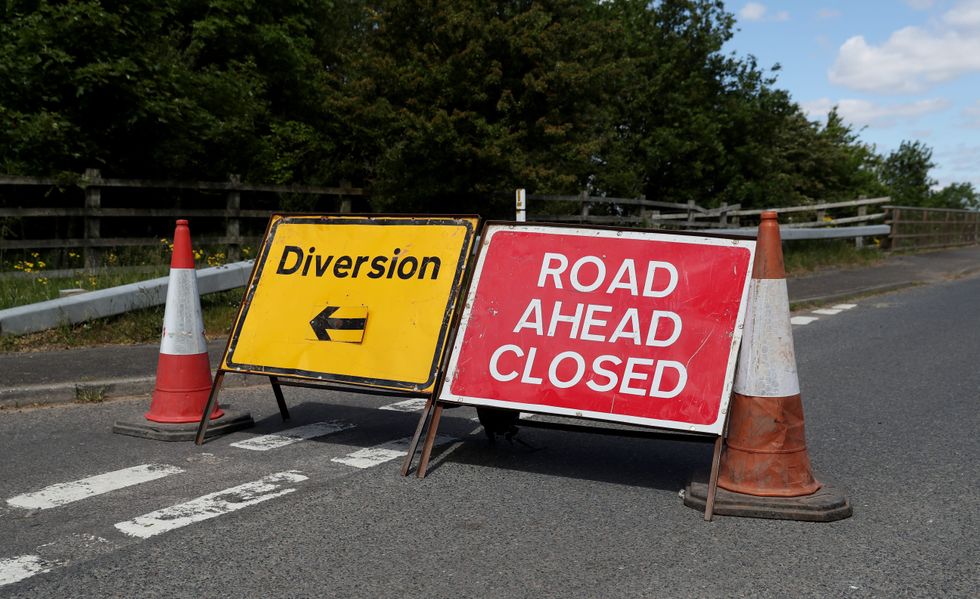
Under the new proposals, the council will begin charging utility companies daily for road delays
|GETTY
It also aligns with the Mayor of London's push to expand lane rental schemes across the capital. Council officials argued that long-running roadworks increase pollution, worsen congestion and make journeys less reliable.
The charges would also help reduce the environmental impact of works by encouraging quicker completion and better coordination between companies.
Before the scheme can go ahead, the council must secure approval from the Department for Transport, which signs off on all lane rental schemes.
After the consultation closes, the council will publish a report setting out responses and any changes to the plans before seeking final approval.
If given the green light, the authority will work with Transport for London and neighbouring boroughs to ensure a consistent approach across London.
The council has pledged to make all documents public and put oversight measures in place to meet Government requirements.