







Millions of drivers could soon opt to sit practical tests in their own vehicles rather than their instructor's car, according to predictions from one of the UK's largest insurers.
Ageas anticipated that forthcoming changes to the DVSA's booking system this spring will trigger a wave of so-called "DIY driving tests" as candidates struggle to coordinate test appointments with their instructors' schedules.
New regulations, which launch on March 31, are designed to cut waiting times and prevent third parties from taking advantage of learners.
From next month, learners will be limited to just two amendments to their booking, down from the current allowance of six changes.
TRENDING
Stories
Videos
Your Say
Later in the spring, additional restrictions will come into force, preventing instructors from making reservations on behalf of their pupils entirely.
Candidates will also face geographical limitations, with test relocations only permitted to centres in proximity to their original booking location.
The DVSA advised learners to only secure appointments at centres they genuinely intend to use and to select dates when they realistically expect to be prepared.
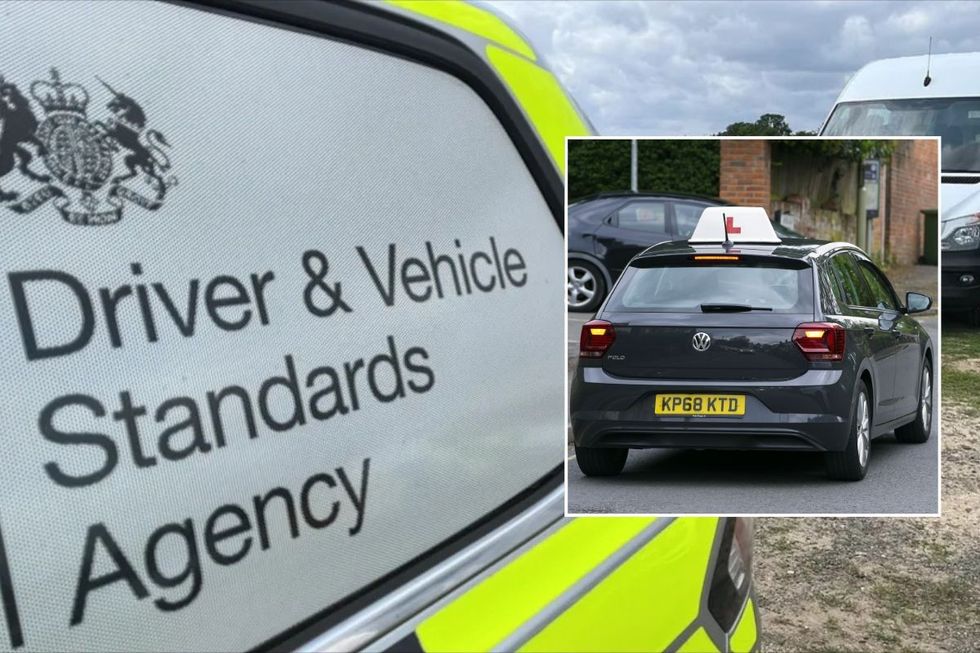
Experts have warned that the DVSA driving changes will see more motorists opt to take practical tests in their own car
| DVSA/PADrivers needing to make further alterations after exhausting their two permitted changes will have no choice but to cancel and start the booking process again.
Alan MacEwan, chief customer and operations officer at Ageas UK, said the company is already witnessing a change in learner behaviour ahead of the reforms.
He shared: "Our internal data shows an increase in learners seeking expert guidance on taking the test in their own vehicle.
"Once the new rules are implemented, the own-car test could well move from a plan B to the primary strategy for drivers who don't want to risk losing a hard-to-find test slot due to a lack of instructor availability."
LATEST DEVELOPMENTS
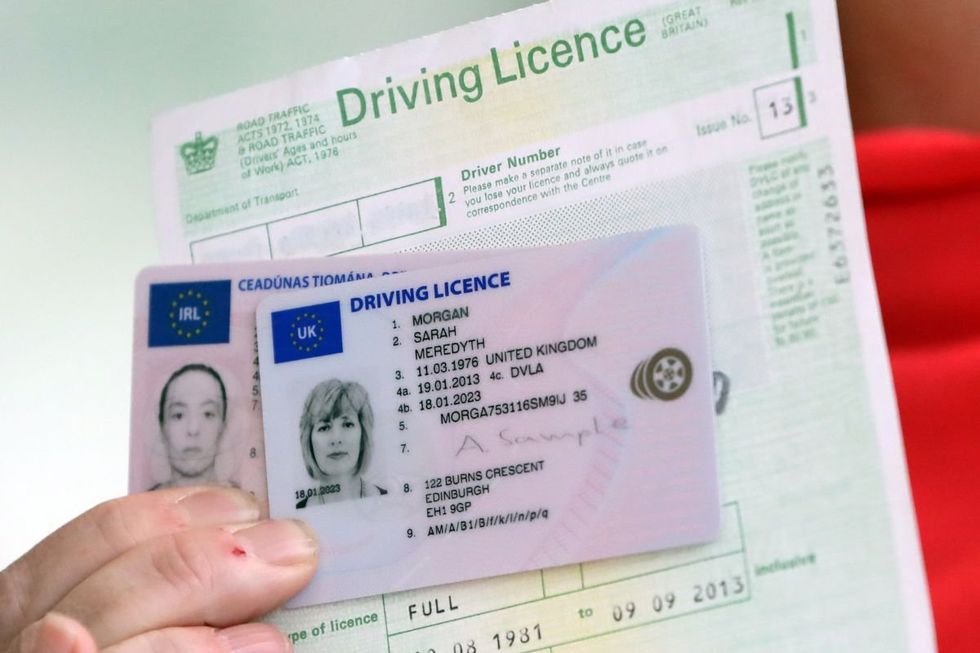
The new DVSA reforms aim to reduce the backlog of driving tests
| PAThe insurer figures suggested that growing numbers of candidates are already researching this option as a contingency plan, although this can bring issues.
The financial and practical consequences of failure extend well beyond disappointment, with rebooking fees reaching up to £75 and fresh appointments potentially taking six months or longer to secure.
Ageas warned that this could prove more costly than waiting for instructor availability, both in terms of money spent and time lost in the queue for another slot.
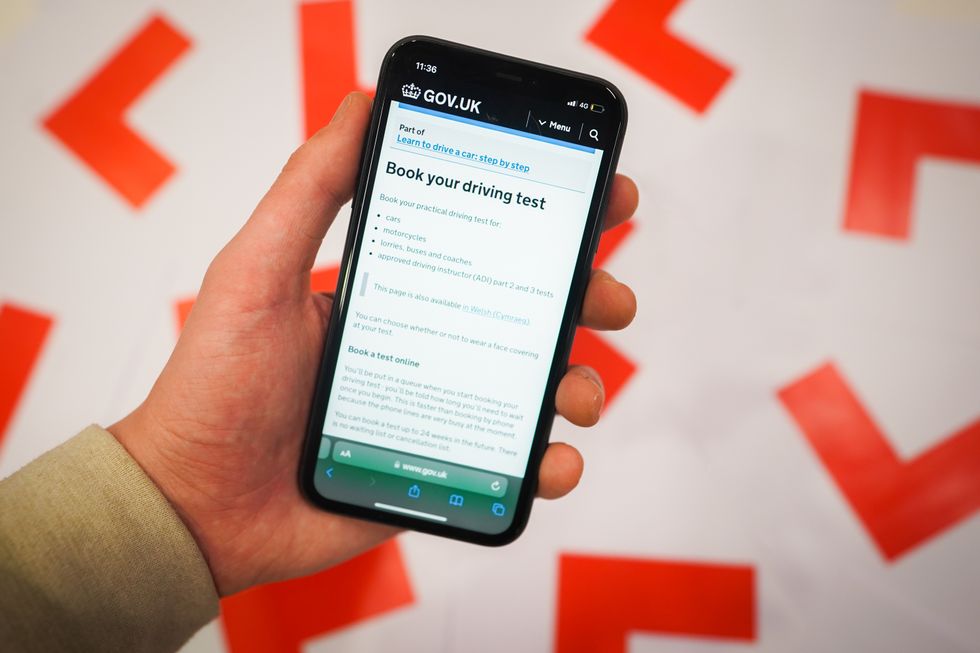
The DVSA has unveiled new driving test changes coming in next month
| PACandidates must ensure their vehicle is properly taxed, covered by learner driver insurance, and holds a valid MOT if it is over three years old.
An additional interior rear-view mirror must be fitted for the examiner's use, while the dashboard cannot display any warning lights.
Tyres must also be undamaged with legal tread depth, and the speedometer must show miles per hour and allow speeds of at least 62mph, the expert explained.
Notably, several popular starter cars cannot be used for practical tests due to visibility problems for examiners, including the BMW Mini convertible, Ford KA convertible, Smart Fortwo two-door, Toyota iQ, and VW Beetle convertible.