





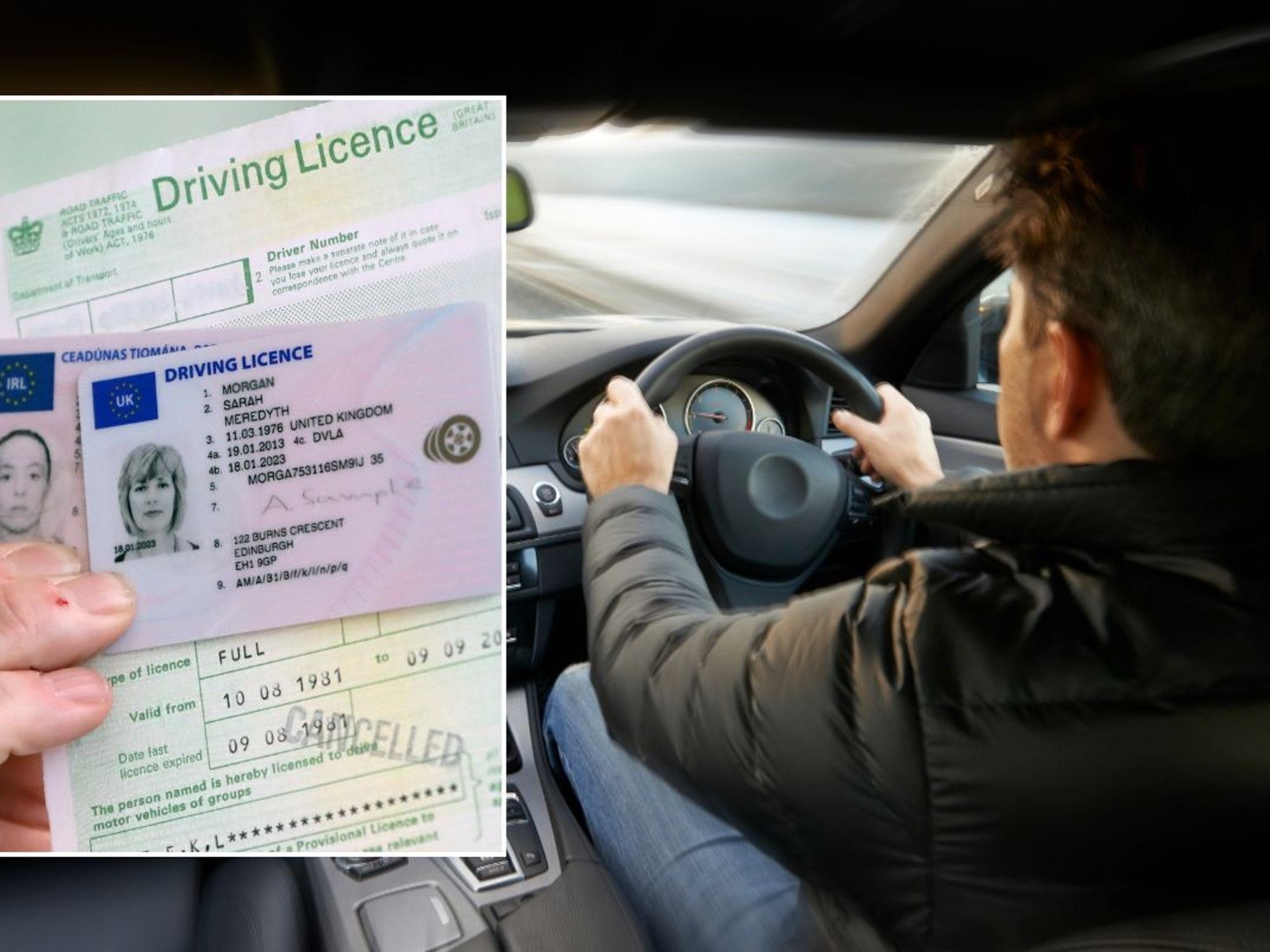
Labour will look to impose mandatory eye tests on elderly people, lower the drink-driving limit and introduce a minimum learning period for learner motorists in a bid to improve road safety.
The newly launched Road Safety Strategy is part of the Government's mission to reduce deaths and serious injuries on Britain's roads by 65 per cent by 2035.
New consultations will be launched that look to hear feedback on plans to introduce a minimum learning period for learner drivers, eye tests for older motorists and a lowered alcohol limit.
The Strategy, which is the first of its kind in more than a decade, has been backed by politicians, a range of road safety organisations and key stakeholders.
Proposals to introduce mandatory eye tests for motorists over the age of 70 have proved controversial, despite data showing that elderly people are more likely to be affected by vision or neurological issues.
The new Road Safety Strategy will seek opinions on introducing eye tests for those over the age of 70. Further measures could also be introduced, including "cognitive testing".
Transport Secretary Heidi Alexander said: "We are taking decisive action to make our roads safer for everyone, from new drivers taking their first lessons to older motorists wanting to maintain their independence."
The Labour MP for Swindon South said the measures unveiled would save "thousands of lives over the coming decade", noting that progress on road safety had "stalled" over the last decade.
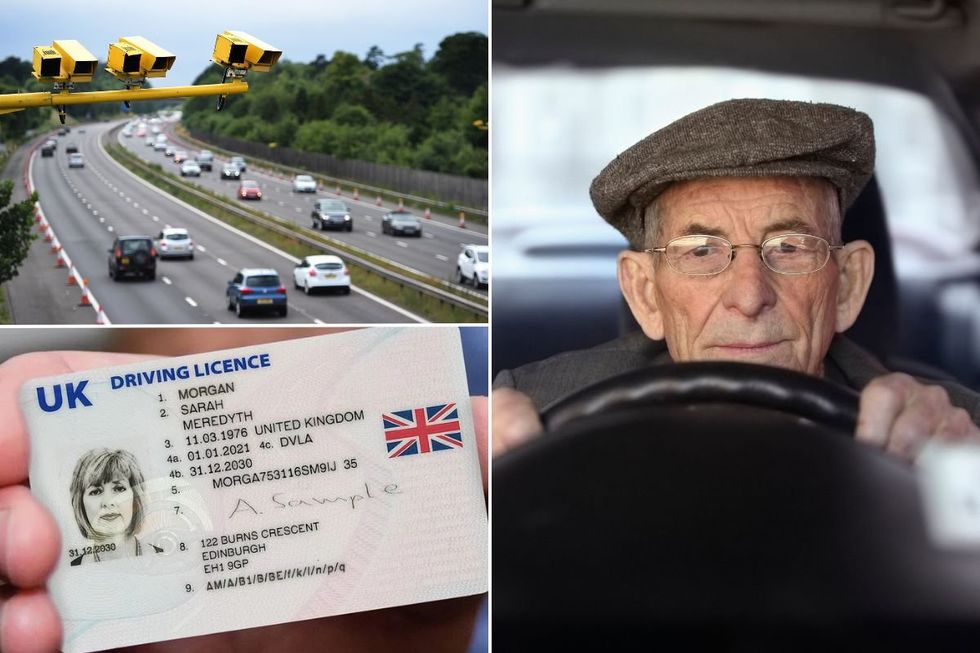
The Road Safety Strategy includes plans to crack down on elderly drivers with poor eyesight and restrictions on how quickly a motorist can get a licence
|GETTY/PA
Another of the key changes will be to consult on lowering the drink drive limit in England and Wales, from its current level of 35 micrograms per 100 millilitres of breath.
This is among the highest limits in Europe and has not been changed since 1967, despite Scotland taking action to tackle drink-driving deaths in recent years. It uses a lower limit of 50 Micrograms per 100 millilitres of breath.
Data from the Department for Transport shows that one in six road fatalities in 2023 involved drink driving.
The consultation will look at the possibility of preventative technology, including alcohol interlock devices, which could require offenders to have one fitted in their vehicle if they want to drive again.
LATEST DEVELOPMENTS
Local Transport Minister Lilian Greenwood stated that car manufacturers, town planners, drivers and legislators should all have a shared responsibility for road safety.
"This Strategy, the first in over a decade, shows a Government that is not just listening, but leading, and together, we can build a safer future for all road users," the Labour MP for Nottingham South said.
While Graduated Driving Licences are not on the table for the Government, the Road Safety Strategy will look to introduce a minimum learning period of three or six months for young motorists.
Labour said this would allow learner drivers more time to develop their skills in a variety of conditions which more accurately reflect the real world, such as night driving, adverse weather and traffic.
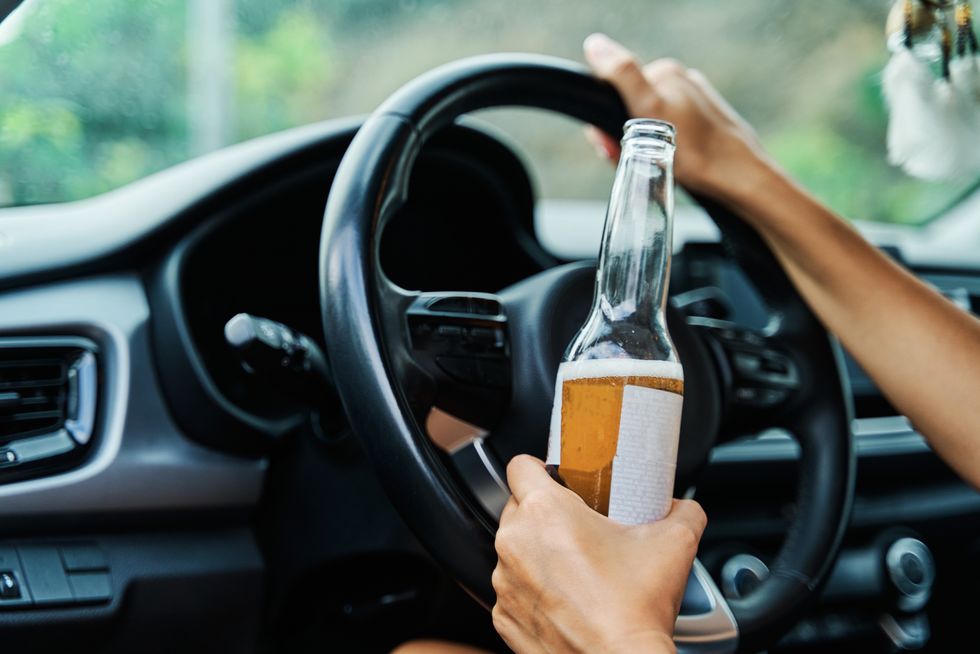
England and Wales have one of the highest drink-drive limits in Europe
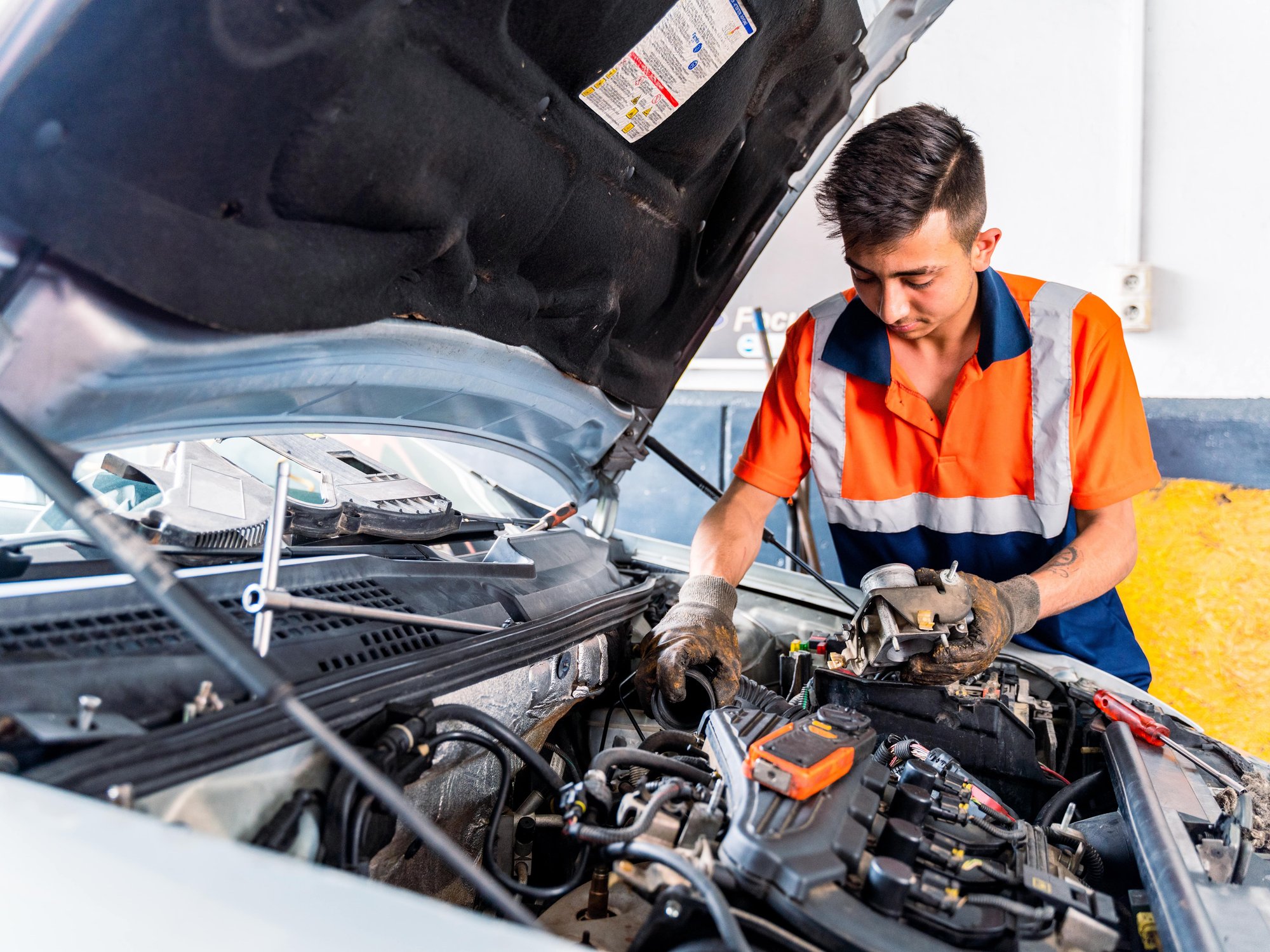
| GETTYOther measures included in the scope of the Road Safety Strategy include a crackdown on illegal ghost plates, tougher punishments for owners of vehicles without insurance or a valid MOT test, and new vehicle safety technology.
The measures have been welcomed by road safety experts, such as Edmund King OBE, Director of The AA Charitable Trust, who described them as a "positively radical reframing of road safety which is long overdue".
Similarly, Nicholas Lyes, director of policy and standards at IAM RoadSmart, said the ambitious targets would make roads safer, with "particularly positive" measures for younger drivers and motorcycle owners.
Rod Dennis, road safety spokesperson at the RAC, added: "The simple truth is that this strategy can't come soon enough. Britain might have some of the safest roads by international standards, but on average, four people are still killed and 76 seriously injured every single day. That's an unacceptable number of lives being ruined or cut short."