








Drivers have been increasingly buying SUVs, despite evidence showing bigger cars are more dangerous for pedestrians and cyclists.
It comes after new figures revealed SUVs now make up two-thirds of all new vehicles sold in the UK, a huge jump of around 30 per cent in just four years.
The boom has been most obvious in towns and cities, where these heavier cars offer few practical advantages but add to congestion, take up more space and make parking more difficult.
Research from the campaign group Clean Cities showed just how quickly things have changed across the UK car landscape.
TRENDING
Stories
Videos
Your Say
In 2002, only three per cent of vehicles in English cities were SUVs, but by 2023, this had shot up to 30 per cent. London has seen the biggest shift of all, with around 720,000 more SUVs on its streets than two decades ago.
But campaigners have warned the trend is making roads more dangerous. Studies showed that when a pedestrian is hit by an SUV rather than a smaller car, the chances of dying are far higher.
The risk of death rises 82 per cent for children and 44 per cent for adults, while other research suggests SUVs are 14 per cent more likely to kill someone walking or cycling, and the danger is even greater for young children.
Experts warned the problem isn't just weight; the tall, square bonnet designs create large blind spots.
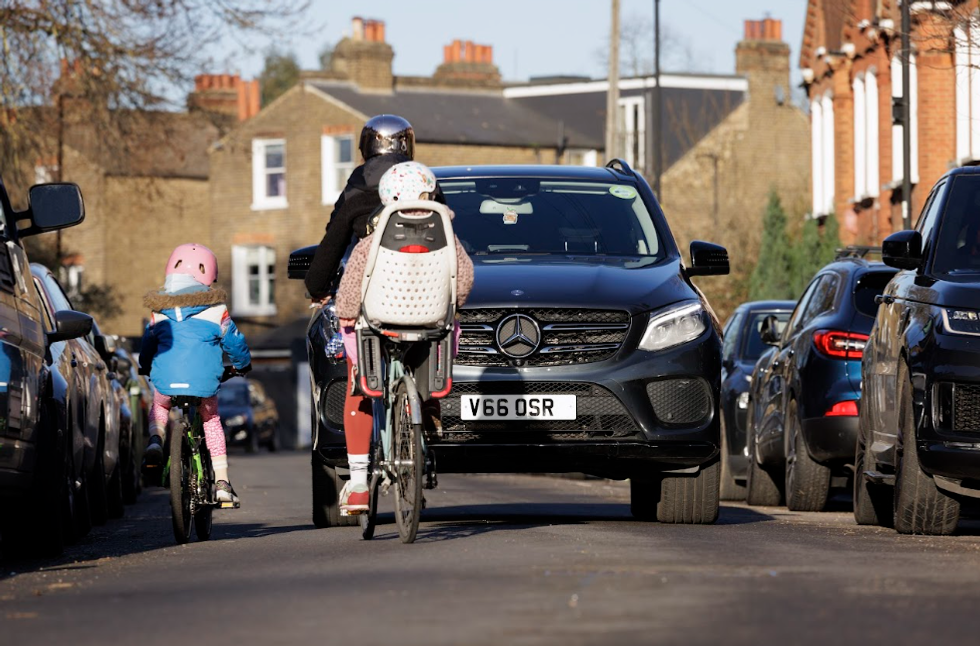 The report urged Labour to address the growing number of SUVs on UK roads | CRISPIN HUGHES / CLEAN CITIES
 One test, commissioned by Transport & Environment, found the driver of a Ram TRX could not see a child aged up to nine standing directly in front of the vehicle.
Many members of the public appear to recognise these risks, with a poll from Startline Motor Finance finding 61 per cent of motorists want UK cities to copy Paris, which has tripled parking charges for large SUVs.
The same survey showed how 41 per cent think SUVs cause unnecessary congestion, while 31 per cent believe they add too much to air pollution, and 61 per cent said they take up too much space.
Paul Burgess, CEO of Startline Motor Finance, said: "Our findings show there is a pretty strong majority for people who want to discourage driving big SUVs in their cities."
LATEST DEVELOPMENTS:
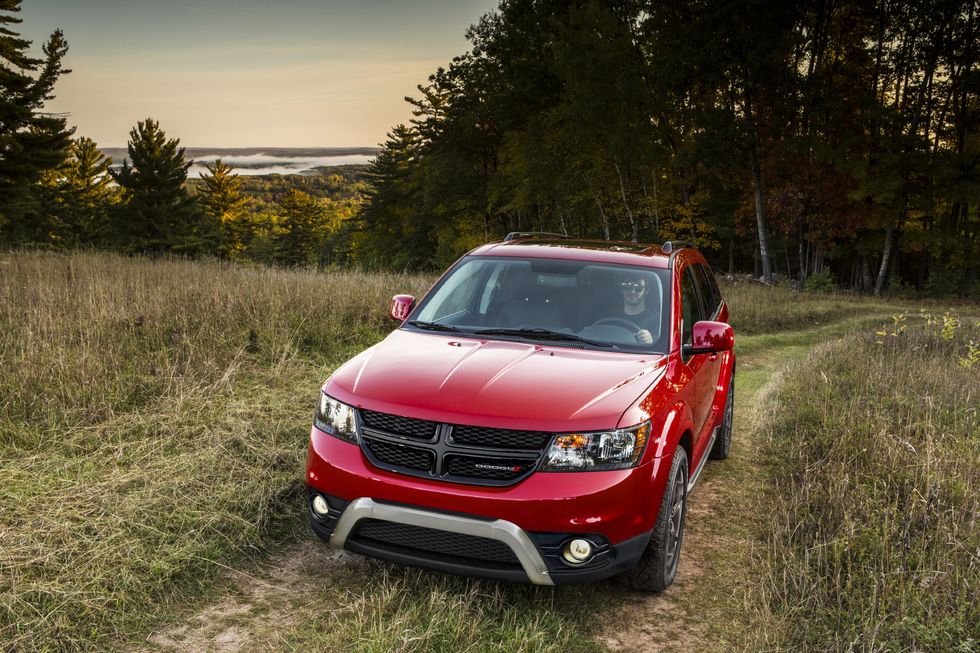
SUVs have become more popular among drivers over the years
| STELLANTISDespite this, large vehicles remain popular with buyers. A nationwide survey by Leasing Options found 40 per cent of motorists put reliability at the top of their priority list when choosing a new car, and many believe SUVs are more robust.
Mike Thompson, COO at Leasing Options, explained: "We're seeing a clear rise in drivers opting for larger vehicles that feel more robust and practical."
The attraction isn't only about durability. Higher driving positions, more interior space, big boots and the option for off-road capability all appeal to families. Around 15 per cent of drivers said they have switched brands in search of more practical cars for family use.
Meanwhile, environmental and transport groups warned the growing size of Britain's cars is creating extra pressure on public finances.
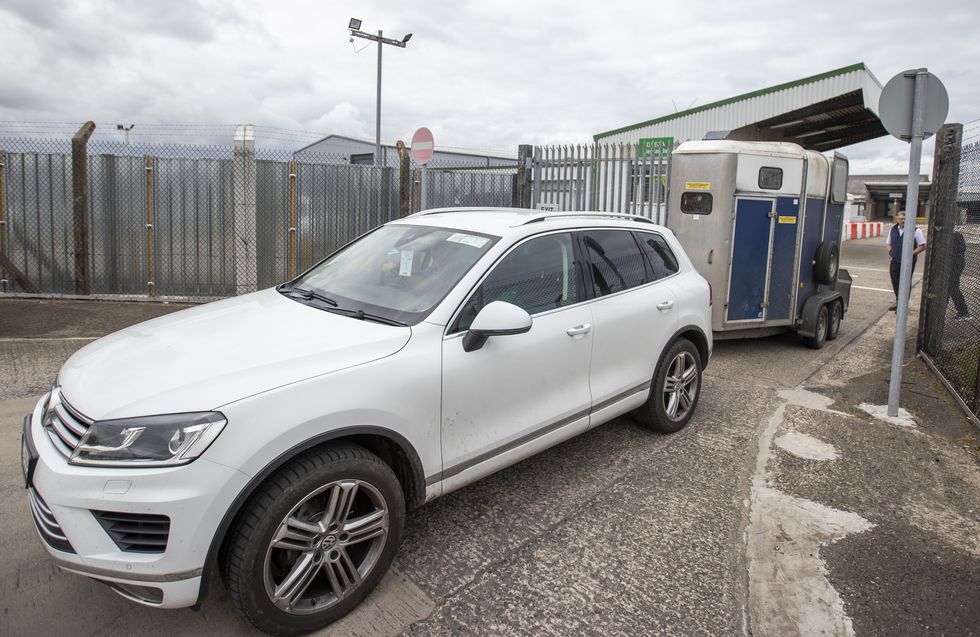 SUVs are more likely to cause an fatality | PA
Eloise Sacares, Senior Researcher in UK Vehicles Policy at T&E UK, warned the UK tax policy for larger vehicles "remains misaligned".
Reports also detailed how heavy vehicles cause more wear to road surfaces, with a two-tonne SUV creating 16 times more road damage than a one-tonne car, adding to maintenance costs paid by councils and taxpayers.
But notably, some local authorities are already acting. Cardiff Council has voted to introduce higher parking permit charges for SUVs, while Bristol and Bath are working on similar proposals.
Our Standards: The GB News Editorial Charter