









The Middle East conflict has caused UK drivers to turn to hybrid cars in growing numbers as rising fuel prices hit the wallets of petrol and diesel owners.
According to new data from Carwow, enquiries for hybrid vehicles jumped by 43 per cent in the first three months of the year compared to the previous quarter.
The shift comes as ongoing tensions in the Middle East continue to drive up the cost of petrol and diesel, forcing many motorists to rethink their options.
More than half of UK drivers are now reconsidering what car to buy next. A survey of over 1,200 people found 54 per cent are reassessing their choices due to higher fuel costs.
TRENDING
Stories
Videos
Your Say
Around a quarter of drivers were found to be already looking at hybrids, with 26 per cent saying they would now choose a hybrid or plug-in hybrid specifically because of rising prices at the pump.
The figures pointed to a clear change in behaviour, with drivers seeking cheaper alternatives without fully committing to electric vehicles.
Interest in hybrids is now growing faster than demand for fully electric cars. While hybrid enquiries rose 43 per cent over the quarter, interest in electric vehicles increased by 35 per cent.
Year-on-year, hybrid demand is also up by 35 per cent, showing the trend is not just a short-term reaction.
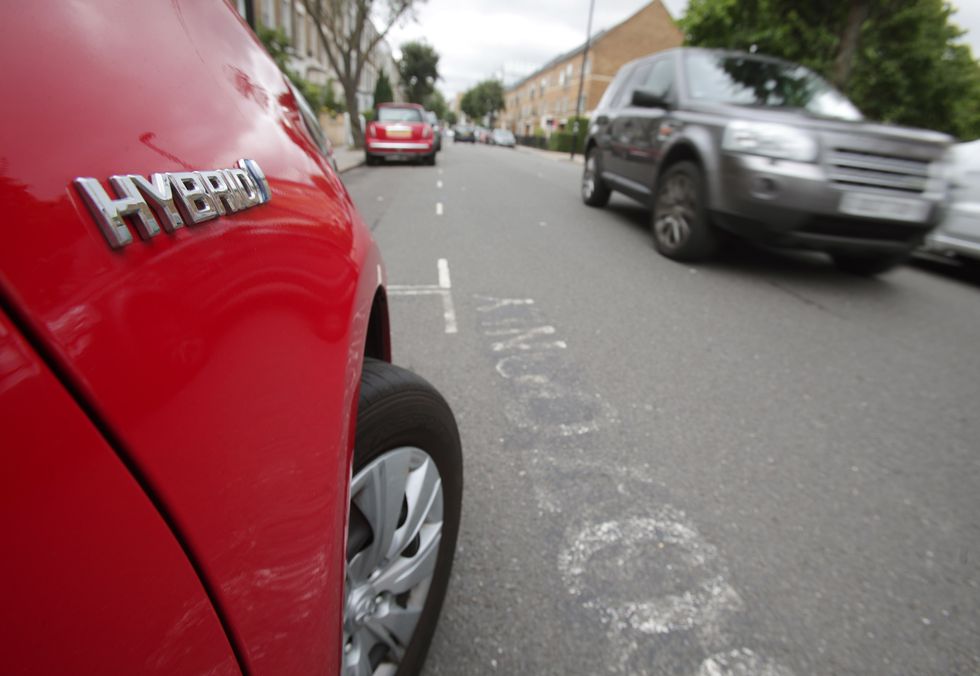
Hybrid cars have become more popular due to the price of petrol and diesel increasing
| PADespite petrol cars still dominating overall sales, hybrids are increasingly seen as a middle-ground option, offering better fuel economy without some of the perceived drawbacks of electric vehicles.
In fact, hybrids have now overtaken electric cars in terms of buyer interest, with reports showing how it made up 32 per cent of new car enquiries at the beginning of the year, compared to 30 per cent for EVs.
The same pattern was found in the used market, where hybrids accounted for 18 per cent of enquiries, ahead of electric cars at 16 per cent.
Many drivers appeared to see hybrids as a stepping stone. Around one in three said they view them as a transition before eventually switching to fully electric, while one in five said they would stick with hybrid technology long-term.
LATEST DEVELOPMENTS
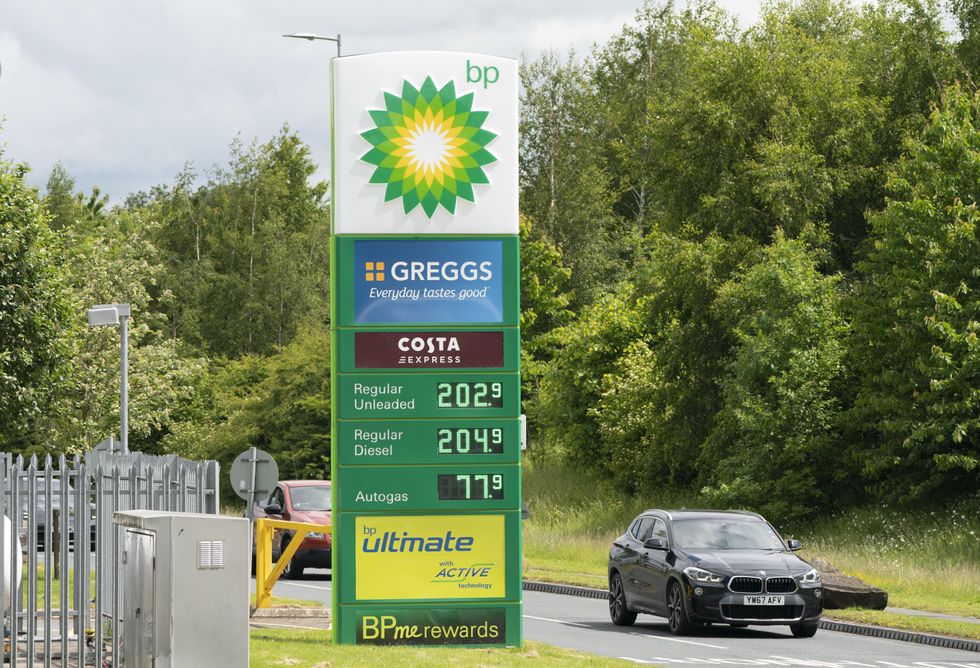 Petrol and diesel prices peaked in the summer of 2022 after Russia's invasion of Ukraine | PA
When asked why they prefer hybrids, 24 per cent of drivers pointed to better fuel efficiency compared to petrol and diesel cars.
Another 23 per cent said they liked being able to drive short distances on electric power without worrying about charging, while 19 per cent highlighted the flexibility for longer journeys.
Among the most popular models, the Kia Sportage has seen the biggest surge in interest, with enquiries up 56 per cent over the quarter.
New entrants to the UK market have also gained ground. The Jaecoo 7 ranked second in popularity, while the Chery Tiggo 8 recorded a huge 149 per cent rise in enquiries. Other high-ranking models include the BYD Seal U and the MG HS.
 Fuel prices have skyrocketed since February 28, due to the Middle East conflict | PA
The latest data from the Society of Motor Manufacturers and Traders found that demand for plug-in hybrids has risen by 45.9 per cent this year, now making up more than 12 per cent of the market, while conventional hybrids accounted for a further 13 per cent.
Siobhan Doyle, Consumer Writer at Carwow, said: "Hybrids hit that sweet spot, offering a mix of better fuel efficiency and lower emissions without the full commitment of charging. They're ideal for drivers who want the benefits of electric driving without worrying about charging stations."
Ms Doyle also pointed out some of the practical challenges with electric cars. "Not everyone has home charging, and public chargers aren't always reliable. Plus, recharging takes longer than refilling a petrol tank," she said.
She highlighted that some newer plug-in hybrids can travel significant distances on electric power alone. For example, the Chery Tiggo 8 can cover up to 56 miles on electricity, while the Skoda Kodiaq can manage around 45 miles before switching to its petrol engine.