









Drivers have been warned they could soon face tougher eyesight checks under new proposals that have received strong backing from the British public.
New research has revealed the majority of adults across the UK want compulsory eye tests introduced before motorists are allowed to get behind the wheel.
The study, published by the College of Optometrists and the Association of Optometrists, found seven out of 10 people want drivers to prove they can see properly when applying for a licence and again every time it is renewed.
Around 71 per cent of those surveyed said first-time drivers should be forced to provide evidence of a recent eye test before being handed a licence. Nearly the same number, 68 per cent, said the same rule should apply when a licence is renewed.
TRENDING
Stories
Videos
Your Say
Support was strongest among older drivers, with 72 per cent of motorists aged over 55 in favour of the changes. At present, the UK is one of only a handful of European countries that does not require formal eyesight testing for drivers.
Instead, motorists are asked to read a number plate from a set distance or simply declare their own eyesight is good enough. The UK also relies heavily on drivers to report themselves to the DVLA if their vision worsens or if they are diagnosed with an eye condition. Campaigners have now argued that this system is unsafe and out of date.
Pressure for reform has increased following a coroner's investigation into the deaths of four pedestrians killed by drivers with very poor eyesight.
Dr James Adeley, Senior Coroner for Lancashire, ruled that the current system for checking drivers' vision was "unsafe" after examining the fatal crashes.
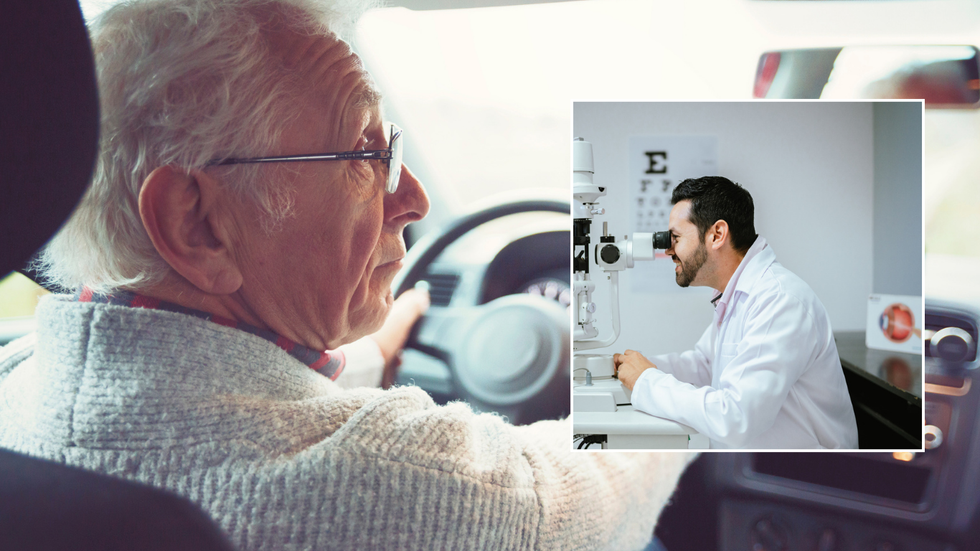
Nearly three out of five drivers aged over 55 were in support of new eyesight changes
| GETTYHe has since written to Transport Secretary Heidi Alexander, urging changes to prevent more families from losing loved ones in similar circumstances.
Optical experts said these tragedies show that relying on drivers to monitor their own eyesight simply does not work.
Under the proposed new rules, motorists would be forced to submit proof of a recent eye test when first applying for a licence and at every renewal.
Driving licences are currently renewed every 10 years. Under the plan, this would remain the same until the age of 70, when eyesight checks would be required every three years due to natural age-related decline in vision. The professional bodies behind the proposal claim the changes would be easy to introduce and would not require major new laws, only small amendments to existing regulations.
LATEST DEVELOPMENTS
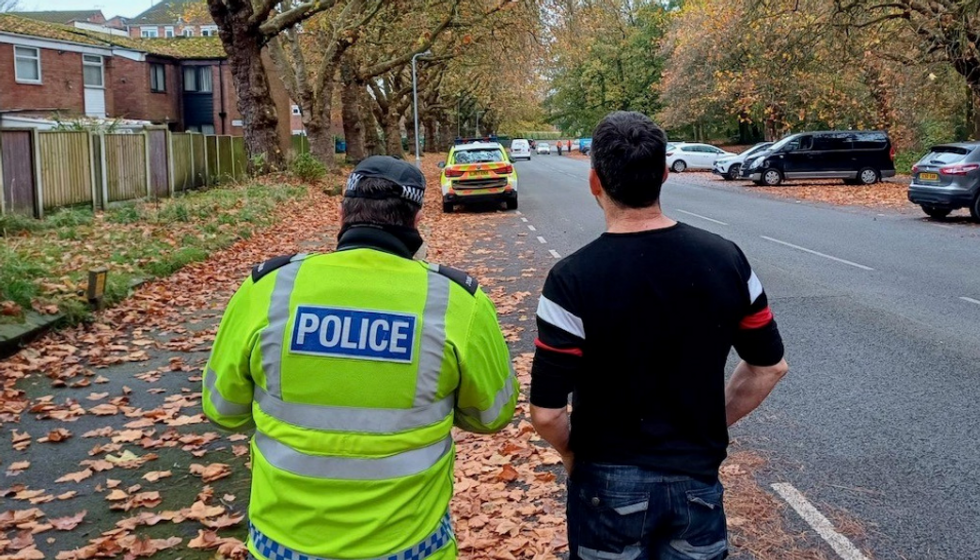
Drivers must be able to read a registration plate from 20 metres away
| MERSEYSIDE POLICEThey argue the move would massively improve road safety while helping catch sight problems earlier, allowing more people to keep driving safely for longer.
The groups are also calling for better public awareness, encouraging drivers to have their eyes tested every two years, or more often if advised by an optician.
Eye tests are already free on the NHS for people aged 60 and over, as well as other eligible groups. Daniel Hardiman-McCartney, MBE, from the College of Optometrists, said the public clearly believes that current checks are no longer sufficient to keep roads safe.
He said: "These findings highlight that the public recognises that current vision checks aren't keeping pace with what's needed to keep everyone safe on the road.
"Requiring a simple eye test when people apply for and renew their driving licence is a practical step that would support road safety and improve the nation's eye health."
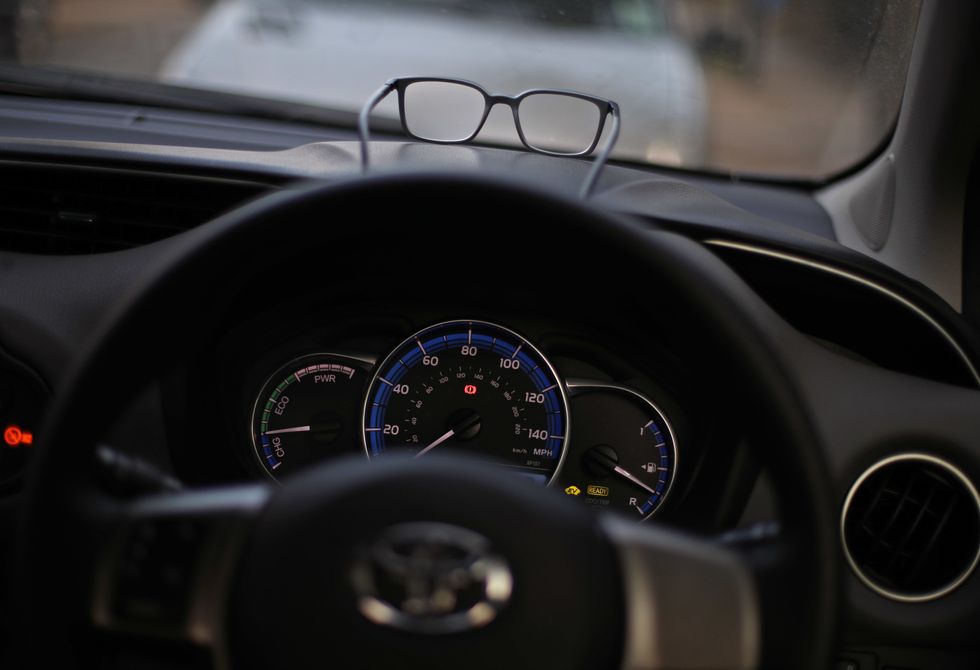
Drivers could face yearly eye checks under the new road proposals
| PAHe warned regular eye tests would help detect problems earlier so that more people, including older drivers, "can drive safely for longer, while also preventing avoidable sight loss".
Dr Peter Hampson from the Association of Optometrists warned that eyesight often deteriorates slowly, meaning drivers may not realise they can no longer spot hazards in time.
He added: "Sight changes often happen so gradually that drivers don't realise their vision has deteriorated.
"Yet we know that poor eyesight can cause people to react more slowly and compromise safe driving, which can be the difference between recognising a hazard and having a collision with tragic consequences. Vision-related accidents could be avoided with simple, evidence-based updates to the current legislation in the UK."