










Diesel cars could become a rarity in the coming years as new data shows that drivers are increasingly turning their backs on the fuel and opting for electric vehicles.
Fresh research from New AutoMotive has found that the number of diesel vehicles on the road continues to fall, while fuel sales are also dropping.
At the peak in 2018, there were 12.4 million diesel-powered cars, although this has fallen by 21 per cent to under 10 million, as of June last year.
Estimates suggest that there will be just over five million diesel vehicles on roads across the UK by the end of the decade, with numbers falling to "less than a quarter of a million" by 2035.
London is also expected to become the first area in the UK without diesel cars, with New AutoMotive estimating that no vehicles will be registered or owned there.
The central belt of Scotland is also leaving diesel behind, with estimates that Scotland will become the UK's first diesel-free nation.
Over the last seven years, the number of diesel vehicles on the capital's roads has decreased by more than half, with the borough of Camden experiencing the largest drop, at 64.6 per cent.
One of the largest indicators of this metric is the success of the Ultra Low Emission Zone (Ulez), which sees owners of polluting petrol and diesel vehicles charged £12.50 to drive inside London every day.
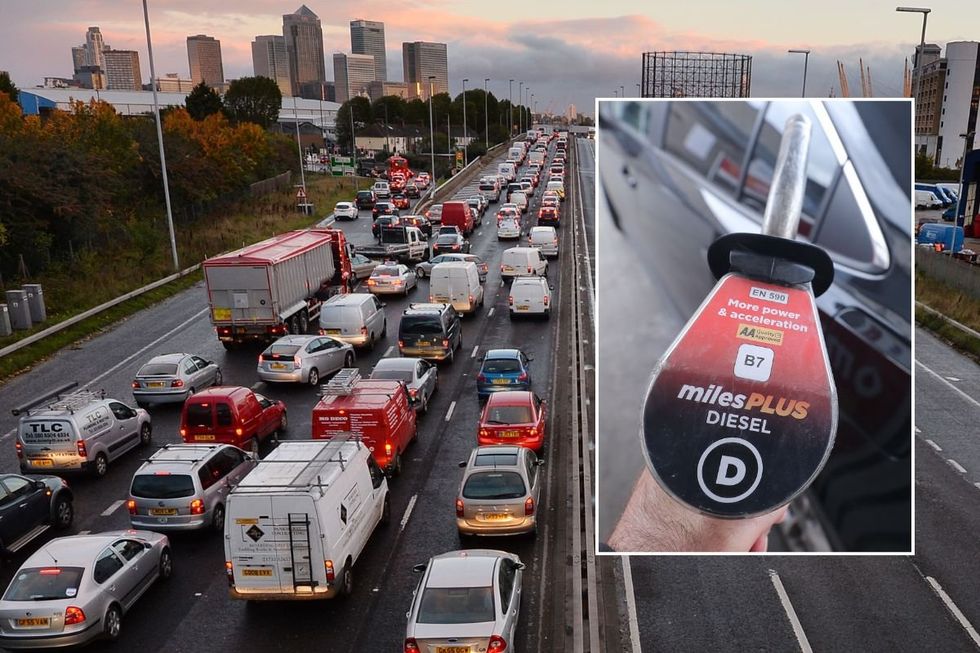
Diesel cars could disappear from roads across the UK over the coming years
|GETTY/PA
Ben Nelmes, CEO of New AutoMotive, said it was "essential" for the UK to remove more diesel vehicles from the roads to improve air quality and overall health.
He noted the impressive increase of electric vehicles across the country in recent years, which has resulted in cleaner air, quieter streets and cheaper running costs for owners.
Mr Nelmes continued, saying: "The UK imports billions of pounds of diesel every year, and we have been completely reliant on other countries to feed our thirst.
"Thankfully, we're switching to electric cars at a rapid rate, and that will make the country cleaner and wealthier."
LATEST DEVELOPMENTS
To emphasise the waning demand for diesel, some filling stations across London are expected to stop stocking the fuel before the end of the decade, with this trend becoming more common across the country by 2035.
New AutoMotive stated that the fall in demand for diesel would environmentally benefit the UK, but also financially, as the nation becomes less reliant on foreign oil, boosting the energy security sector.
Recent survey results from the Petrol Retailers Association Market Review 2025 found that 89 per cent still see fuel as a core source of revenue, although only 57 per cent believe this will be true in a decade.
The sale of new petrol and diesel vehicles will be banned from the end of the decade, while only zero emission vehicles will be sold after 2035.
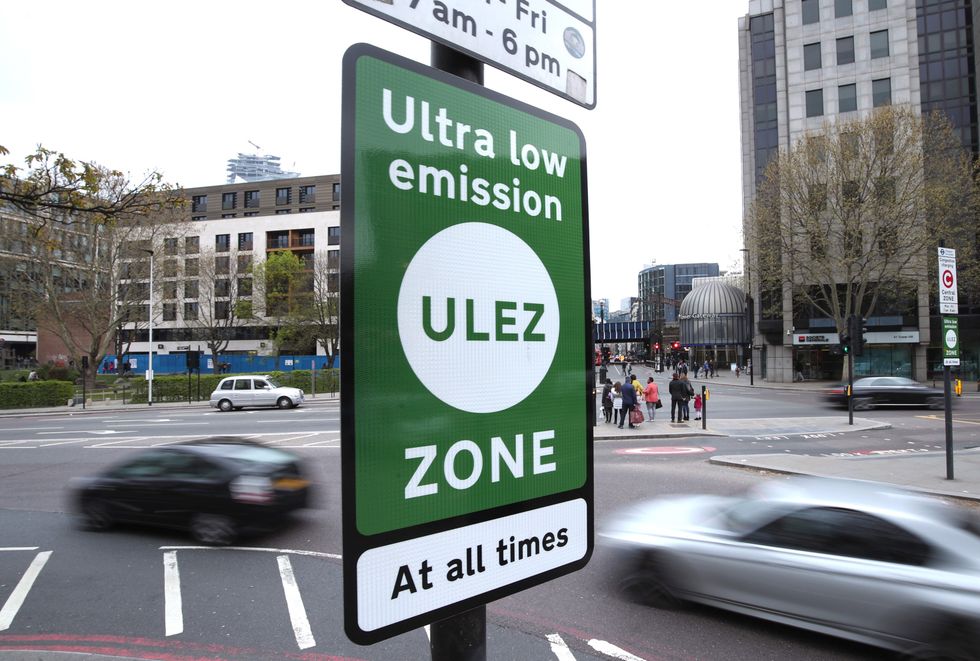
The Ulez scheme has contributed to the steep decline of diesel vehicles on London's roads
| PAEnvironmental expert Matt Finch acknowledged that diesel had been "useful" for motorists and the transport sector, but "it has had its day".
New diesel car sales have also plummeted in recent years, with data from the Society of Motor Manufacturers and Traders (SMMT) showing that year-on-year, registrations of new vehicles have fallen almost 16 per cent.
Between January and November last year, fewer than 100,000 new diesel vehicles were registered, with the market share of diesel remaining barely above five per cent.
New AutoMotive concluded: "It's clear that diesel use is dying. Policy ensures that the last new diesel car and van will not be sold post-2034, but the reality is that the market suggests that this date will be a lot sooner anyway."