










The High Court has ruled that six low-traffic neighbourhoods operated by a London council were unlawful.
Croydon Council's primary motivation was generating revenue from motorists rather than reducing pollution or enhancing road safety, the court ruled.
Mr Justice Pepperall delivered his judgment on Thursday, finding that the financially troubled council had exercised its powers for an "improper purpose" when it made the LTN schemes permanent in 2024.
The judge quashed the orders establishing the traffic restrictions, concluding that safeguarding income from enforcement cameras was the council's "dominant purpose" in retaining them.
TRENDING
Stories
Videos
Your Say
This decision could force the authority to dismantle all six schemes and potentially reimburse millions of pounds to drivers who received fines for entering the restricted zones.
The ruling challenges the typical justifications councils provide for implementing LTNs, which are generally promoted as measures to cut emissions and encourage active travel.
Jason Perry, the Conservative Mayor of Croydon, had publicly opposed the LTNs whilst serving in opposition.
However, Mr Perry chose not to scrap them after taking office, citing the severe financial pressures facing the borough.
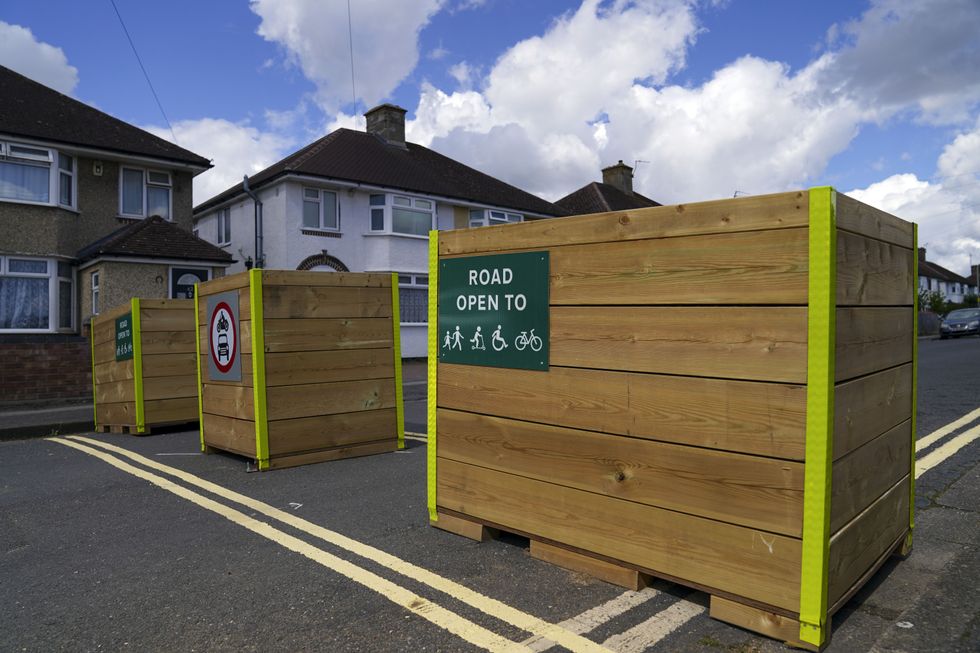
The council has effectively declared bankruptcy three times over the past five years, leaving it with limited room for manoeuvre on revenue-generating measures
| PAThe council has effectively declared bankruptcy three times over the past five years, leaving it with limited room for manoeuvre on revenue-generating measures.
In his judgment, Mr Justice Pepperall pointed to the mayor's lukewarm public support for the health and safety arguments underpinning the schemes, combined with his repeated statements about being constrained by budgetary concerns.
The judge stated: "Taking the relatively modest benefits of the schemes into account together with the mayor's apparent lack of public enthusiasm for the road safety or health case for these schemes and his clear and repeated comments before and after the vote as to his hands being tied by the budgetary considerations, I am satisfied on the balance of probabilities that the dominant purpose for these orders making the schemes permanent was the need to safeguard the revenue raised by enforcement."
The six LTNs were first established during the pandemic in 2020 before being made permanent at the start of 2024.
LATEST DEVELOPMENTS
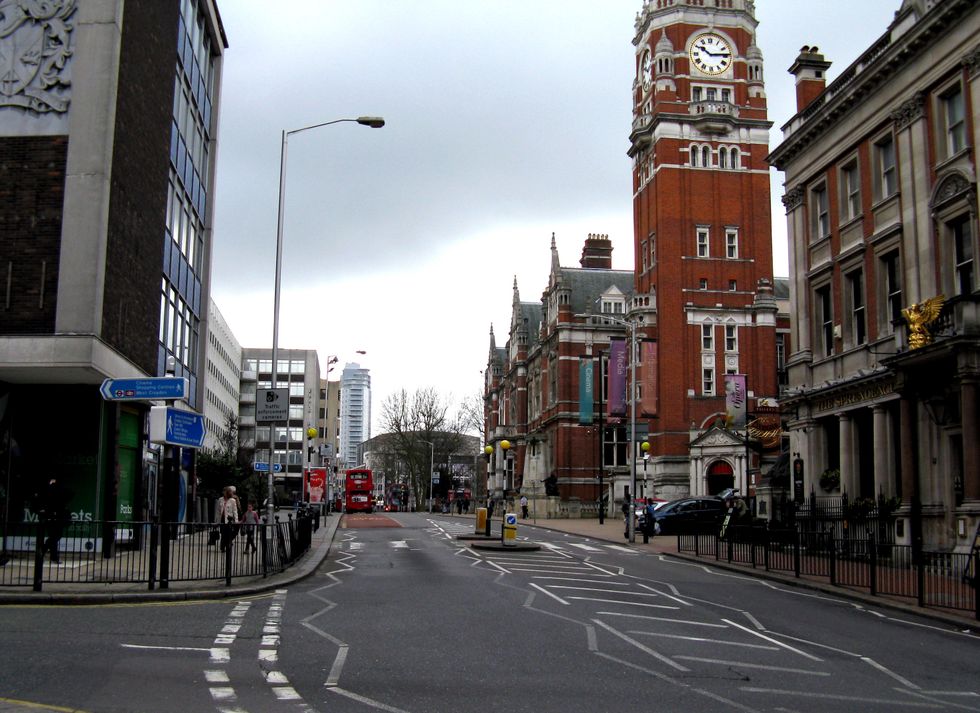
The London borough of Croydon raked in millions from motorists
|GEOGRAPH
Automatic number-plate recognition cameras monitored the restricted areas, with drivers who breached the rules receiving penalty charge notices of £160.
However, the penalty is reduced to £80 if settled within a fortnight.
The enforcement operation proved exceptionally profitable for the cash-strapped authority.
Freedom of Information data revealed that fines totalling £1.4million were issued in just one month.
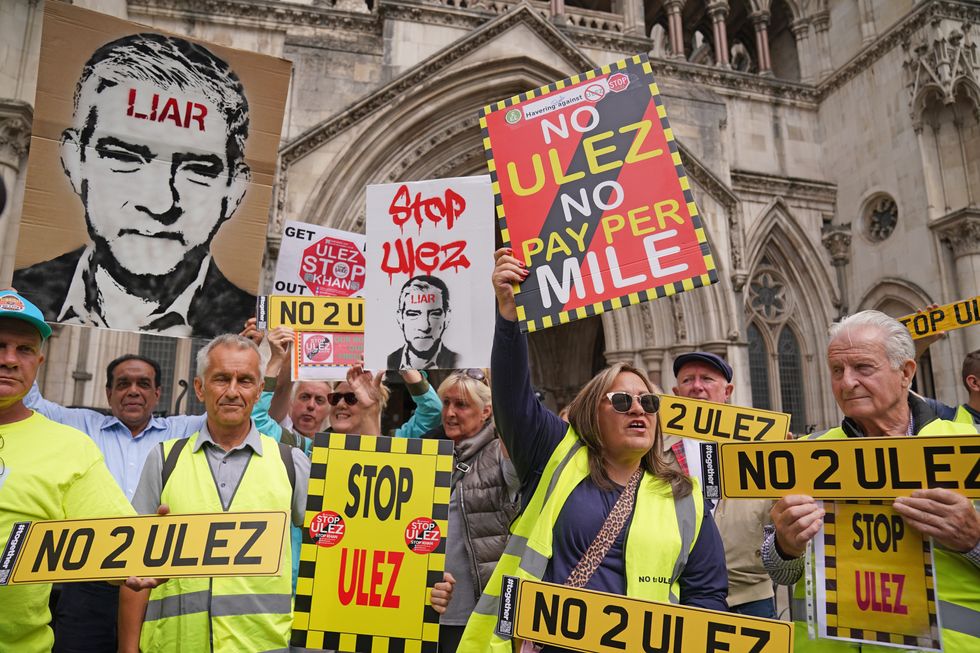
Pro-car protesters previously went to the High Court over Ulez
| PAThe council's own projections anticipated the schemes would bring in more than £10million across four years.
However, cash-strapped Croydon has also proposed a net expenditure budget of £485.4million for the 2026-27 financial year.
The court dismissed the council's arguments that its decision-making had followed proper statutory procedures, finding instead that the authority had acted unlawfully in prioritising financial considerations over the stated aims of the traffic restrictions.
Open Our Roads, a campaign group pushing for the removal of LTNs, welcomed the judgment and called on Croydon to immediately halt enforcement, take down all six schemes and create a mechanism for refunding penalised motorists.

A separate challenge concerning Tower Hamlets council's LTNs is expected to reach the Supreme Court
| PAThe organisation stated: "Today's judgment confirms that local authorities must act lawfully and for the purposes parliament intended. Residents deserve transparency and decisions based on evidence, not financial necessity."
Campaigners suggested the ruling should put other councils on notice when considering similar traffic measures.
London has witnessed multiple legal battles over LTNs in recent years.
The High Court found Lambeth council's West Dulwich scheme unlawful last year after the authority failed to adequately consider residents' objections.
A separate challenge concerning Tower Hamlets council's LTNs is expected to reach the Supreme Court.
GB News understands Croydon Council is considering its position.