






An expert has predicted that drivers will see more Clean Air Zones introduced in 2026 as councils struggle to deal with emissions created by petrol and diesel vehicles.
With the start of a new year, experts are making predictions about what drivers can expect to see in 2026, including changes to road rules.
While many driving law changes have already been confirmed, other road rules could still be introduced over the next 12 months.
One expert has suggested that motorists could be exposed to new emissions rules, which may pose an issue to owners of highly-polluting petrol and diesel vehicles.
Graeme Stoker, director of marketing at GoShorty, said: "With local authorities under pressure to meet air quality targets, Clean Air Zones are likely to become more common.
"Drivers of higher-emission vehicles may face increasing charges to enter certain towns and cities, accelerating the shift towards cleaner vehicles and alternative travel options."
Clean Air Zones already operate in a number of regions, including Bath, Birmingham, Bradford, Bristol, Portsmouth, Sheffield and Tyneside (Newcastle and Gateshead).
Motorists will also need to follow the rules of the Zero Emission Zone in Oxford, and the Ultra Low Emission Zone (Ulez) in London.
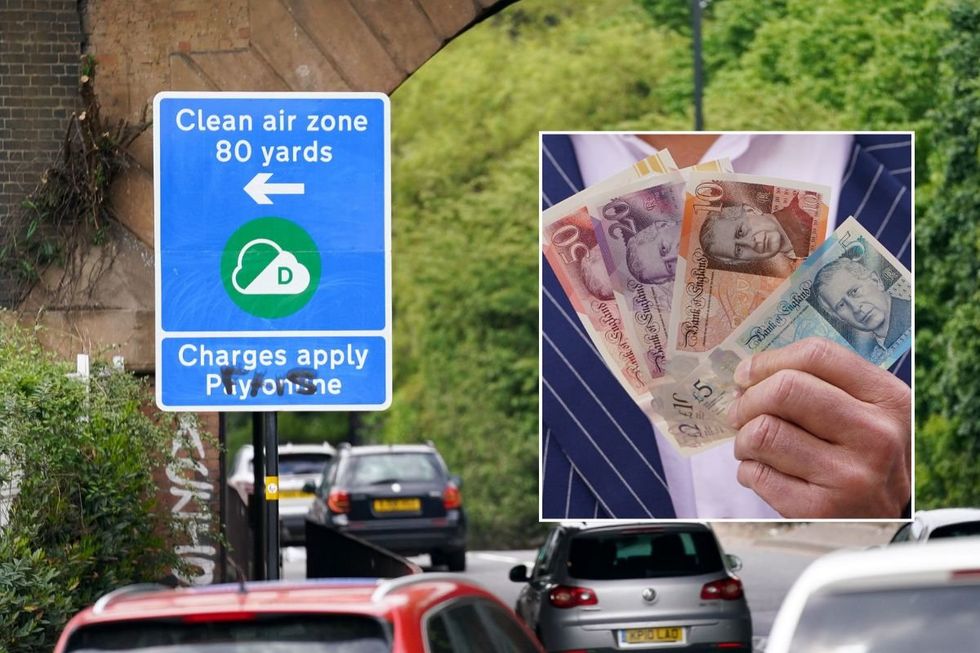
An expert has predicted that more Clean Air Zones will be introduced in 2026
|PA/GETTY
Low Emission Zones also operate in four Scottish cities, namely Aberdeen, Dundee, Edinburgh and Glasgow.
Greater Manchester was originally set to have a charging Clean Air Zone launch in 2022, but scrapped this proposal in favour of an investment-led strategy.
This has been headlined with the success of the British-made fleet of electric Bee Network buses, in addition to grants for taxi drivers to upgrade their vehicles.
Mayor of Greater Manchester Andy Burnham has praised the Bee Network for helping to slash harmful emission levels across the region.
LATEST DEVELOPMENTS
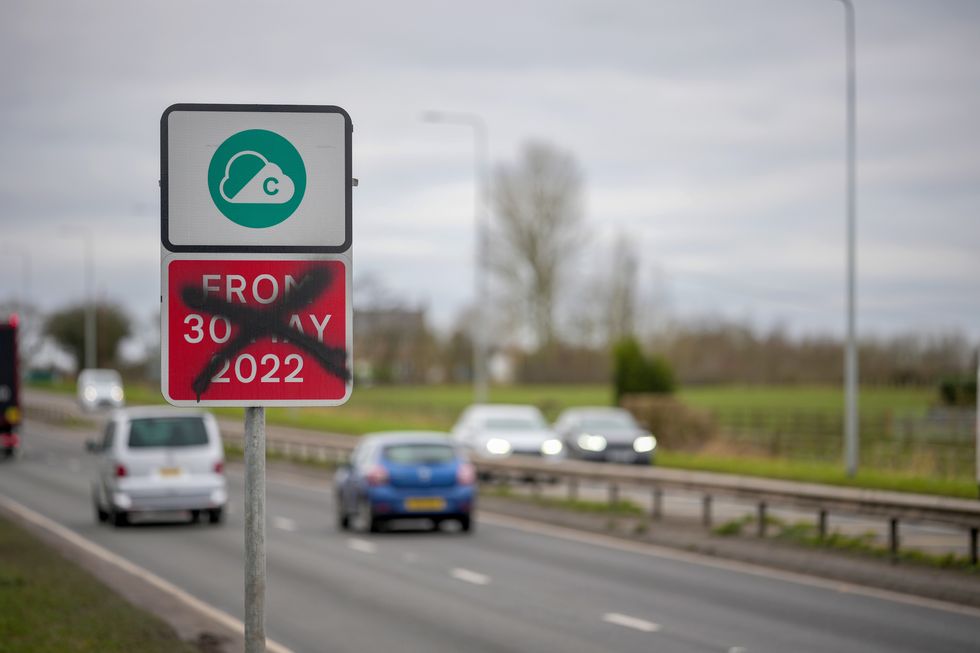
Signs for the Greater Manchester Clean Air Zone have started to be taken down
| GETTYData shows that 129 places had air quality containing illegal levels of nitrogen dioxide in 2019, which has since dropped to 64 in 2023 and just 38 in 2024.
Signs had already been installed by the time the investment-led strategy was given the green light, with the Government paying around £600,000 to remove them.
Most Clean Air Zones require older, more polluting petrol and diesel vehicles to pay to enter the charging area, although owners of cars can avoid costs in certain areas.
Birmingham's Clean Air Zone, which was one of the first in the UK to be introduced, charges cars, taxis and large goods vehicles £8 per day if they do not meet emissions standards.
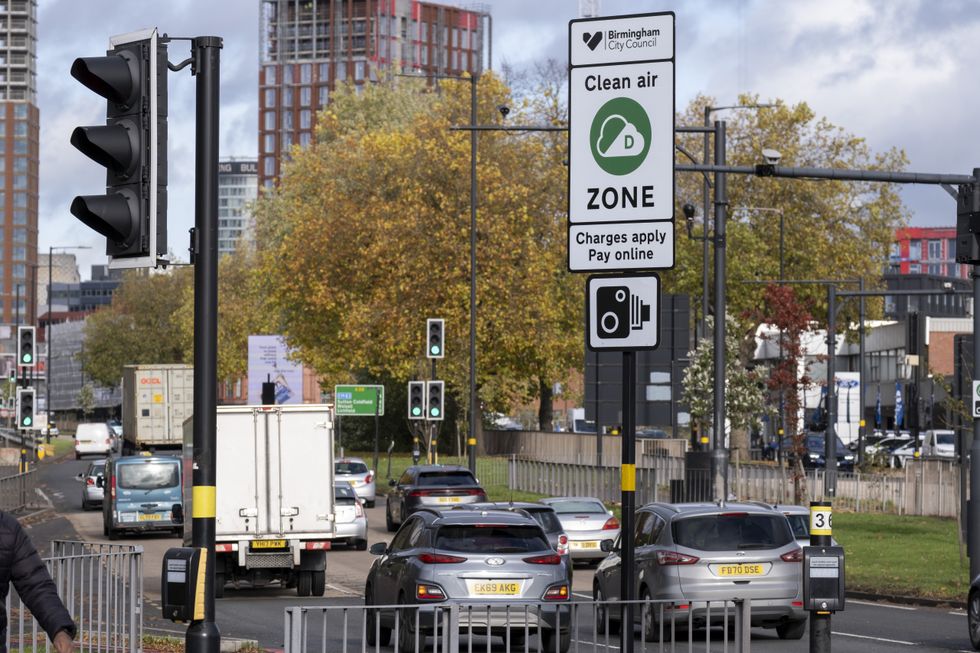 The Birmingham Clean Air Zone was launched in 2021 | GETTY
Coaches and heavy goods vehicles need to pay £50 if they fall foul of the rules, or they could face a £120 penalty charge if they fail to pay.
Oxford's Zero Emission Zone is among the strictest in the UK, with drivers only escaping the charge if they have an electric or other zero emission vehicle.
Any "ultra-low emission vehicle", which emits less than 75g/km of CO2, faces a £2 daily charge, low emission vehicles (Euro 4 petrol or Euro 6 diesel) pay £4, and all other vehicles are charged £10.
This is in addition to the potential costs drivers may face from the newly introduced congestion charge in the city. This temporary measure will see motorists pay to access six areas of the city.