






The number of electric vehicle charging points in the UK has slowed sharply this year, raising fresh doubts about how quickly the country can switch away from petrol and diesel cars.
New figures showed the weakest growth in public chargers since 2022, with investment cooling as demand for electric cars grows more slowly than expected.
Data from Zapmap revealed there were approximately 87,200 public chargers across the UK by the end of November. That is an increase of just 13,500 chargers over the past year, far lower than previous years.
As a result, the industry is now on track for annual growth of under 20 per cent, compared with 37 per cent growth last year, marking the slowest pace of expansion in a decade.
The slowdown comes as investors and carmakers reassess the pace of the electric vehicle transition. Several manufacturers have already delayed plans to phase out petrol cars, while firms funding charging networks have also become more cautious.
Colin Walker, head of transport at the Energy and Climate Intelligence Unit, said the slowdown was "no surprise", blaming unclear signals from the Government.
He pointed in particular to Chancellor Rachel Reeves' recent Budget, which confirmed a new pay-per-mile charge on electric vehicles from 2028.
Mr Walker told The Guardian: "It's weakening of the zero emission vehicle mandate could incentivise the sale of plug-in hybrids rather than EVs. And while it won't change the fact that EVs will remain considerably cheaper to run, the 3p per mile tax on EVs risks undermining consumer confidence."
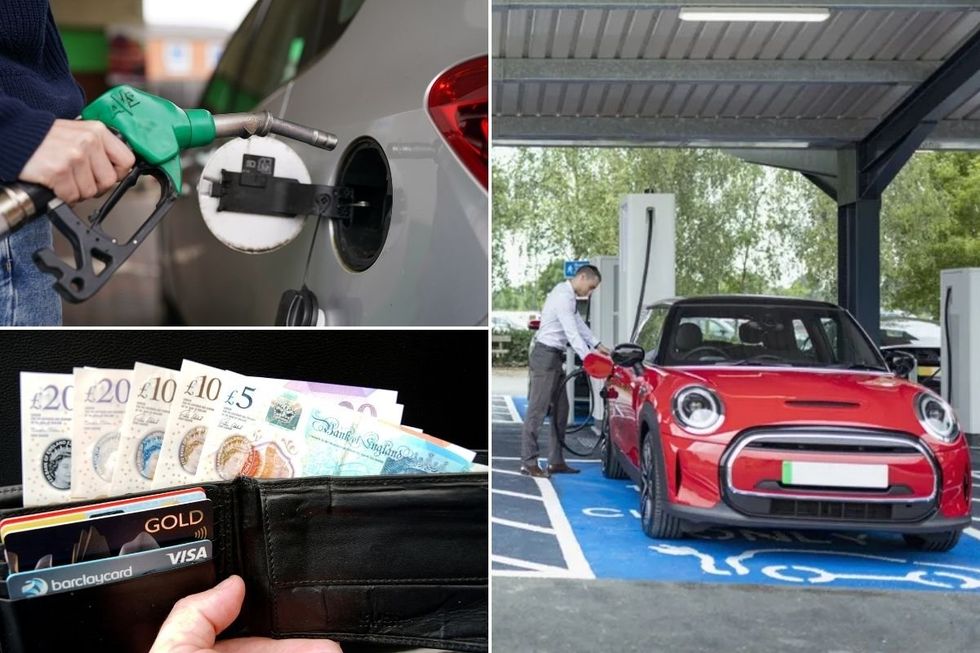
Reports revealed 87,200 public chargers in place across the UK by the end of November
| PA/GETTYHe warned lower confidence among drivers could reduce EV sales, making businesses less willing to invest in new public charging points.
Different types of chargers are expanding at very different rates. Slow chargers, often used for overnight charging, reached around 48,100 units by the end of November, a rise of 15 per cent over the year.
By contrast, ultra-rapid chargers, which allow drivers to top up quickly on long journeys, are growing much faster. Their numbers rose 39 per cent to around 9,800 units. Vicky Read, chief executive of ChargeUK, said progress on slower chargers has been disappointing.
She said: "Across the market charge point operators have been facing rapidly rising costs, which have impacted the pace of the rollout in some more commercially challenging locations, while grid connections continue to hold back installations."
LATEST DEVELOPMENTS
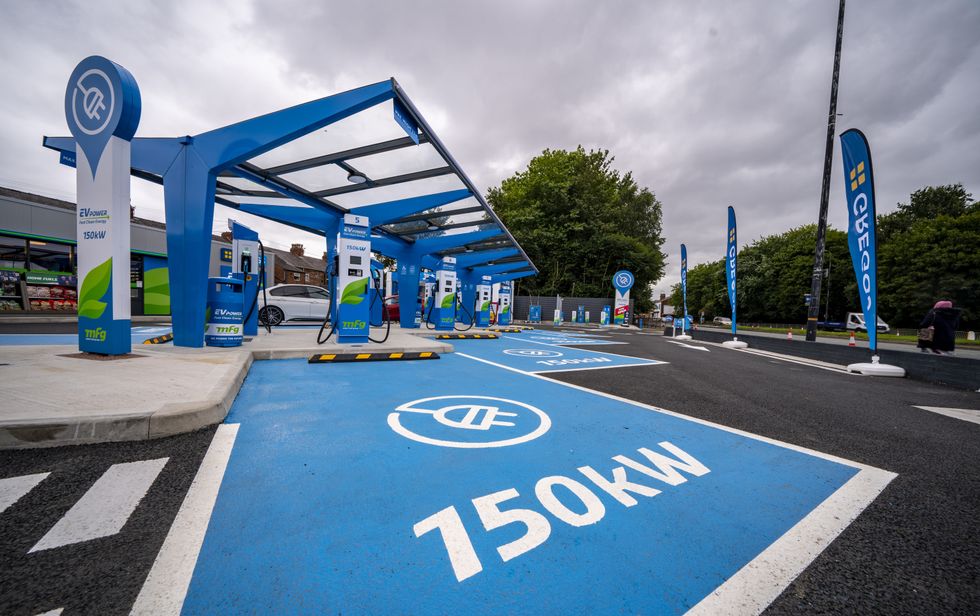
Electric car charging points have slowed down over the years
| PAProblems connecting chargers to the electricity grid remain one of the biggest barriers to faster expansion, particularly outside major cities.
There are also stark regional differences in charger availability. Northern Ireland, the UK's poorest region, has just 39 public chargers per 100,000 people, according to Zapmap.
That compares with London, which has 301 chargers per 100,000 residents, nearly eight times as many. The pace of new installations was also much slower in some parts of the country. Northern Ireland, the East Midlands and the North East of England recorded the lowest growth per head over the past year.
Despite the slowdown, some analysts insisted the UK is not yet facing a shortage. Research from transport body Cenex found in September that public charging supply across Great Britain is still running around 18 months ahead of demand.
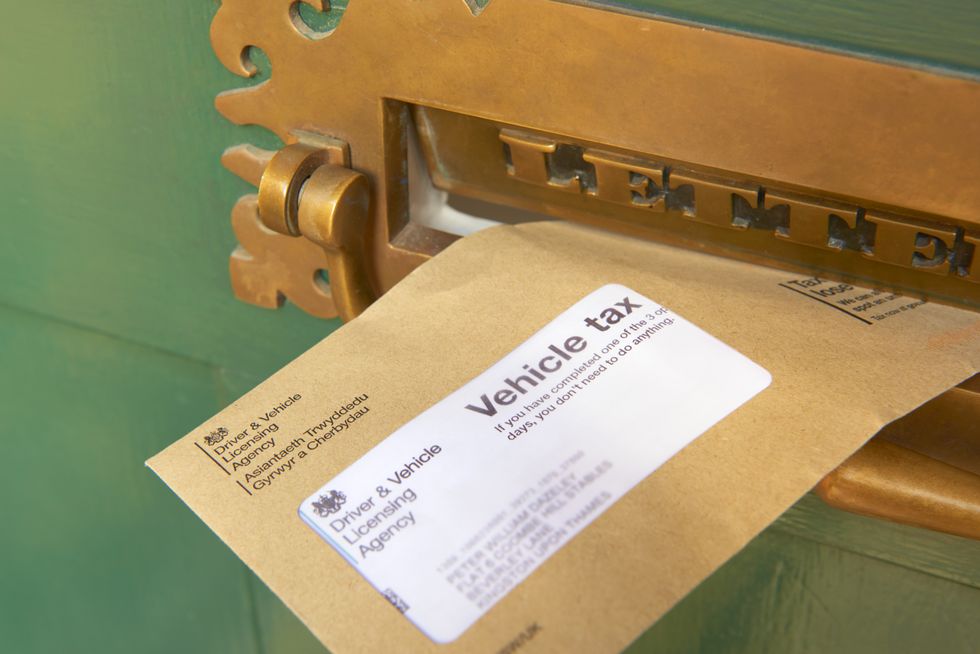 The new tax changes will see EV drivers pay 3p per mile and 1.5p per mile for plug-in hybrids | GETTY
Motorway charging is said to be in particularly good shape, with enough rapid chargers already installed to meet demand for the next six years, even if no more are added.
Industry leaders expect activity to pick up later in the decade, as delayed Government funding for local charging projects reaches councils in 2026 and 2027. Ms Read warned Government action is needed to reduce costs and speed up grid connections if rollout targets are to be met.
Meanwhile, Zapmap chief operating officer Melanie Shufflebotham said progress has not stalled completely, pointing to "strong growth in ultra-rapid charging" despite wider challenges.
Still, the figures underlined growing concerns that the UK's electric car ambitions may be running ahead of the infrastructure needed to support them.
Our Standards: The GB News Editorial Charter