









Rachel Reeves' car tax changes have come into effect today, hitting petrol, diesel, electric vehicles and hybrid drivers across the UK.
Millions of motorists will now pay more in Vehicle Excise Duty (VED) after new rates, first set out in the Autumn Budget, officially began.
On average, drivers will see bills rise by around £5 a year, but drivers with more polluting vehicles could be hit much harder, with increases of up to £40 annually.
The Chancellor confirmed the changes would rise in line with inflation, although the move adds to growing pressure on households already dealing with high driving costs.
TRENDING
Stories
Videos
Your Say
Fuel prices remain volatile, partly due to instability in the Middle East, while insurance and maintenance costs have also surged in recent years.
Under the new rates, for cars registered between March 2001 and April 2017, the amount drivers pay still depends on carbon dioxide emissions.
Vehicles producing up to 120g/km of CO2 will see no change, staying at £20 or £35 per year depending on the band. But increases start just above that level, with cars in the 121-130g/km bracket now paying £170, up from £165.
Drivers in the 141-150g/km band will now pay £225, while those in the 176-185g/km category will pay £360, up from £345.
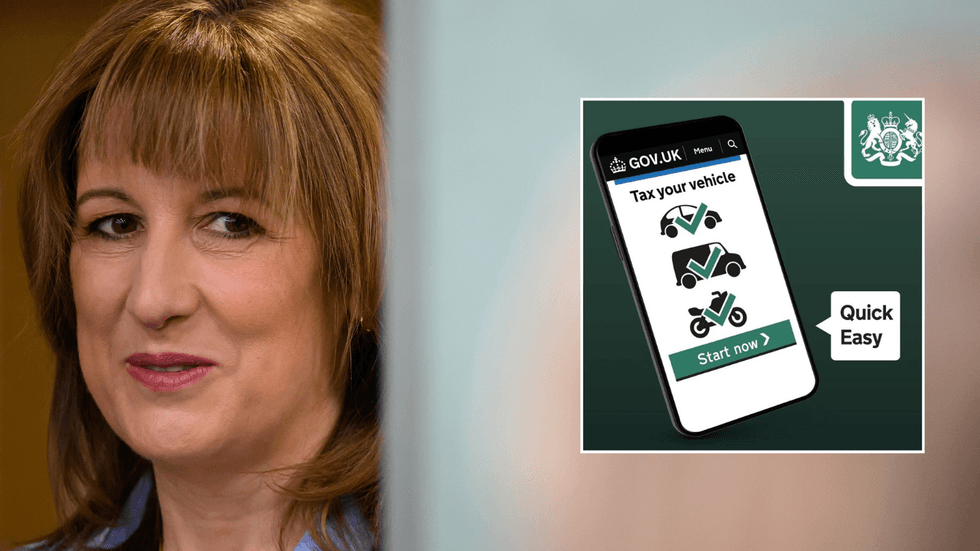
The new tax rates will increase drivers' tax burden by between £5 and £40
|PA/DVLA/X
The biggest rises affect the highest polluting cars, with vehicles emitting between 226 and 255g/km now costing £760 a year, while those above 255g/km rise to £790, marking a £40 increase.
For newer cars registered from April 2017 onwards, a flat standard rate now applies, with petrol, diesel and alternative fuel vehicles all paying £200 per year.
More noticeably, electric vehicles are also now included with EVs registered since April 2025, now paying the same £200 standard rate, marking a major shift from previous exemptions.
Imran Malek, corporate sales manager at TrackDays.co.uk, said: "While the long-term data shows petrol and oil prices are volatile, they have risen far less than other motoring costs, not least motoring tax and car insurance, over the last decade."
LATEST DEVELOPMENTS
The new car tax rates will impact petrol, diesel, electric and hybrid vehicles
| PAHe added that overall motoring costs in the UK have risen by nearly 60 per cent over the past 10 years.
Rhydian Jones, Confused.com car insurance expert, said: "These increases will affect drivers across the country, so it's important to know what you will be expected to pay.
"At a time when many other motoring costs are also set to rise this year, these new rates may come as unwelcome news for some drivers. Your car tax amount can vary depending on when your vehicle was first registered and the type of fuel it uses."
The expert explained that drivers should make sure they understand how the new tax rates apply to their vehicles to help plan ahead.
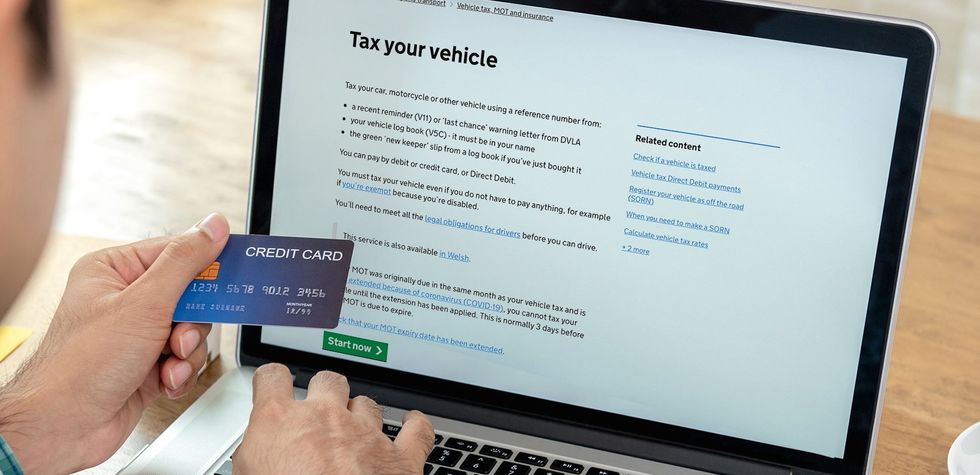
The Government hiked the Vehicle Excise Duty rate in line with inflation
| X/DVLANew 2026-2027 car tax rates for vehicles registered between March 1, 2001, and April 1, 2017
Up to 100g/km - Remains at £20
Between 101 and 110g/km - Remains at £20
Between 111 and 120g/km - Remains at £35
Between 121 and 130g/km - Rising from £165 to £170
Between 131 and 140g/km - Rising from £195 to £200
Between 141 and 150g/km - Rising from £215 to £225
Between 151 and 165g/km - Rising from £265 to £275
Between 166 and 175g/km - Rising from £315 to £325
Between 176 and 185g/km - Rising from £345 to £360
Between 186 and 200g/km - Rising from £395 to £410
Between 201 and 225g/km - Rising from £430 to £445
Between 226 and 255g/km - Rising from £735 to £760
Over 255g/km - Rising from £750 to £790